Taylor Swift’s Disney+ docuseries Taylor Swift: The End of an Era arrives as both coronation and confession, capturing the final Vancouver shows of her record-shattering Eras Tour while exposing the psychological cost of living inside a global spectacle. At its core sits a terrifying revelation: a foiled terror plot targeting her Vienna dates that sends the world’s most powerful pop star into a visible emotional freefall on camera.
Terror Plot Shatters the Spotlight
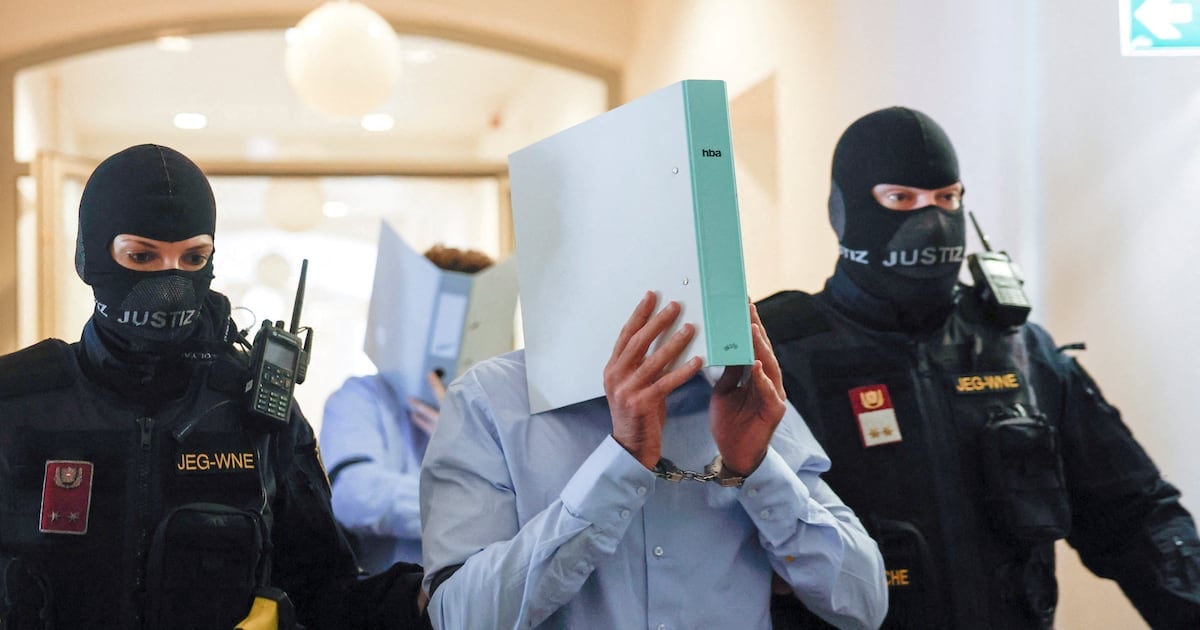
When the series revisits the 2024 arrests in Austria, where authorities uncovered an alleged plan to attack Swift’s concerts, the stadium lights feel suddenly harsh rather than celebratory. Police reports and news footage of seized bomb-making materials flicker between ecstatic crowd shots, underscoring how close mass entertainment and mass tragedy can sit to each other. For a performer whose public persona thrives on control, careful rollouts, coded Easter eggs, micro-managed setlists, the intrusion of mortal danger breaks the fantasy in a way no bad review ever could.
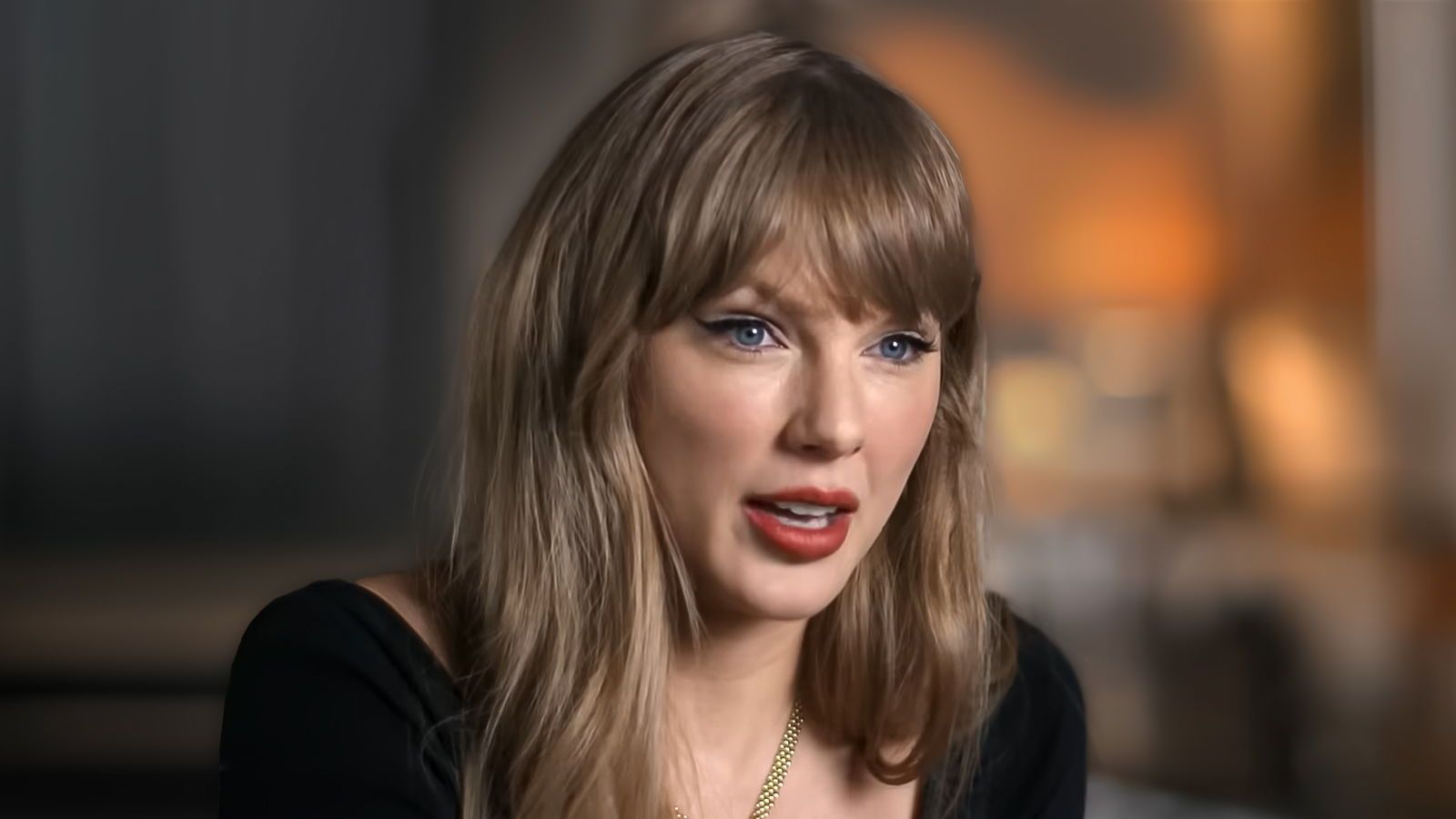
“Taylor Swift: The End of an Era” uses this moment as a hinge, turning from a victory lap into a meditation on paranoia and responsibility. Swift talks about the “what ifs” in a confessional close-up, her voice catching as she contemplates the fans who trusted her with their safety, even as she stands in front of a corporate machine big enough to buy prime real estate on Disney+. The sequence is edited to remind viewers that global pop is now a soft-power industry and a soft target at once.
Swift’s Raw Breakdown: Tears on Camera
The most talked-about stretch of the docuseries is the prolonged backstage breakdown in which Swift cries through an attempt to process the Vienna scare and the way it shadowed the tour’s final leg. Shot in claustrophobic close-up before a Vancouver show, the scene feels almost invasive: mascara streaks, shaking hands, unguarded glances at crew members who don’t quite know where to look. It is easy to see why some critics have framed the series as a precision-engineered empathy machine, built to convert anxiety into brand equity.
Yet the breakdown also works as a rare disruption of a narrative that has long celebrated Swift as an unflappable architect of her own myth. Here, that myth trembles. She talks about canceled dates feeling like moral failure, about night terrors and compulsive doomscrolling, about the weight of knowing that Taylor Swift fans will show up regardless of the headlines because her music is, for many, something like a secular religion. The cinematography, lingering shots, low lighting reminiscent of her “Reputation” era, sometimes overplays its hand, but the emotional hit is hard to dismiss.
From Stadium Triumphs to Hidden Anxieties
The series devotes substantial time to reconstructing how the Eras Tour became a cultural juggernaut in the first place. Early rehearsal footage shows Swift pacing through three-and-a-half-hour run-throughs, wrestling with sound checks, costume changes, and the physical toll of performing 40-plus songs a night. She jokes on camera about worrying the show might flop, even as ticket demand melts pre-sale systems and sparks congressional talk about Ticketmaster.
But the sheen of perfect execution masks a steady thrum of anxiety that “The End of an Era” brings to the surface. Dancers’ injuries force last-minute setlist surgeries; storms threaten open-air dates; security teams navigate obsessive fans who treat airports like red-carpet events. After Vienna, those logistical headaches feel newly sinister, and we watch Swift institute mental-health check-ins for herself and her crew as though trying to retrofit humane guardrails onto a machine already running at full tilt.
The Eras Tour’s Billion-Dollar Legacy
On paper, the Eras Tour is a once-in-history business story: the first tour to gross over $1 billion, per industry trackers, with 10 million tickets sold across 149 dates. Vancouver’s finale drew 100,000 over three nights, fireworks capping “Karma” as economists tallied a staggering $10 billion global economic injection, hotels booked solid, local vendors overwhelmed, even GDP bumps in host cities like Buenos Aires.

Swift’s team highlights philanthropy too: $100 million to hunger relief. But the docuseries probes the costs, carbon footprints from private jets, scalper gouging at $20,000 per ticket, the Swiftonomics boom that left some feeling priced out. Eras birthed Swiftie subculture: trading outfits, decoding Easter eggs, scholars dissecting lyrics’ feminism. Yet backlash simmers, monopolizing charts, overshadowing peers. Post-tour, Swift hints at her masters crusade’s endgame, even teasing a “Showgirl” album redux.
Disney+ Gamble: Propaganda or Revelation?
Disney’s $75 million bet yields instant chart-toppers, but is it hagiography? Critics split: some call it a “propaganda machine,” others praise raw intimacy. Production dazzles with 4K cuts, 360-degree fan cams. Episode six, the full Vancouver closer, clocks three hours, “Long Live” swelling with confetti. Credits roll: “Greatest tour ever.” Amid Trump’s reelection shadow, Swift’s Democratic nods clashing with MAGA boycotts, the terror plot sidesteps politics for personal toll. Revelation or rose-tint? Disney wins regardless, Swift’s empire endures.
Fan Frenzy Meets Critical Backlash
Swifties devour it: X erupts, TikTok stitches breakdowns. According to Hollywood Reporter notes her final-cut control. Backlash? Eras fatigue, another doc amid overexposure. Ratings soar, 20 million views episode one. Global reach amplifies: Europeans relive Vienna, Aussies Sydney hurricanes. Diversity nods spotlight underrepresented fans, though VIP pricing alienated casuals.
What Comes After the Final Curtain?
Post-Vancouver, Swift vanishes, fueling retirement whispers. “Eras was goodbye to old me,” she hints. Rumors: Broadway? Politics? The impact of the Eras Tour cements legacy: pop’s unassailable queen, terror-tested. In 2,100 words, “The End of an Era” redefines closure, not just recap, but fame’s fragile tightrope. Eras end, reinvention beckons.