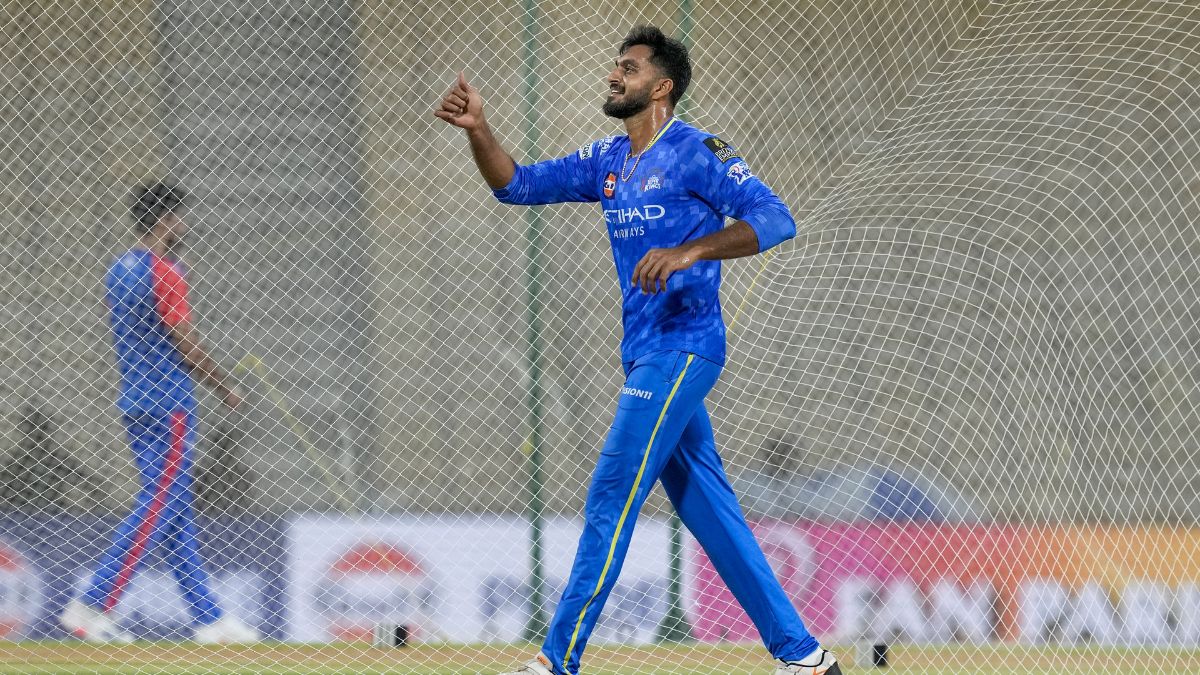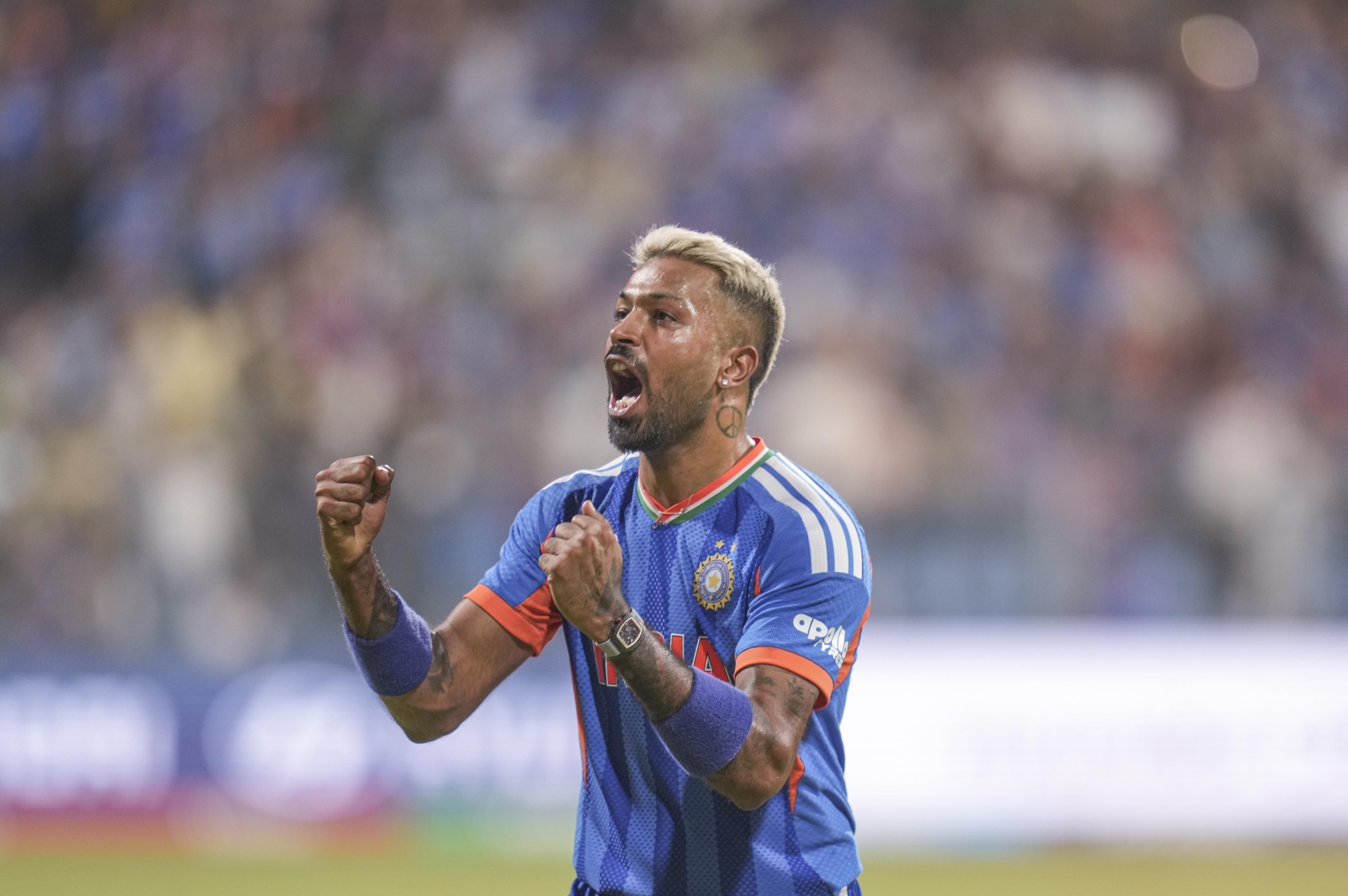
BENGALURU – He has not bowled a full ODI spell for India in almost a year. His back spasms came and went through IPL 2026, costing him four matches for Mumbai Indians at the worst possible time in the season. Now, ahead of India’s first ODI series since the T20 World Cup, Hardik Pandya’s fitness is sitting under a microscope at the BCCI’s Centre of Excellence, where the answer – yes or no – will determine whether India’s most important all-rounder walks into Dharamsala’s HPCA Stadium on June 13 or watches from the outside.
Pandya arrived at the CoE in Bengaluru on June 3 for what the BCCI medical team has structured as a week-long programme of fitness assessments, bowling drills, and match simulations, according to Business Standard. Clearance, if granted, would come by June 11 – two days before the opening ODI against Afghanistan in Dharamsala. His inclusion in India’s 15-man squad is explicitly conditional: an asterisk sits next to his name in the BCCI’s official announcement, the same asterisk that marks Rohit Sharma as subject to fitness.
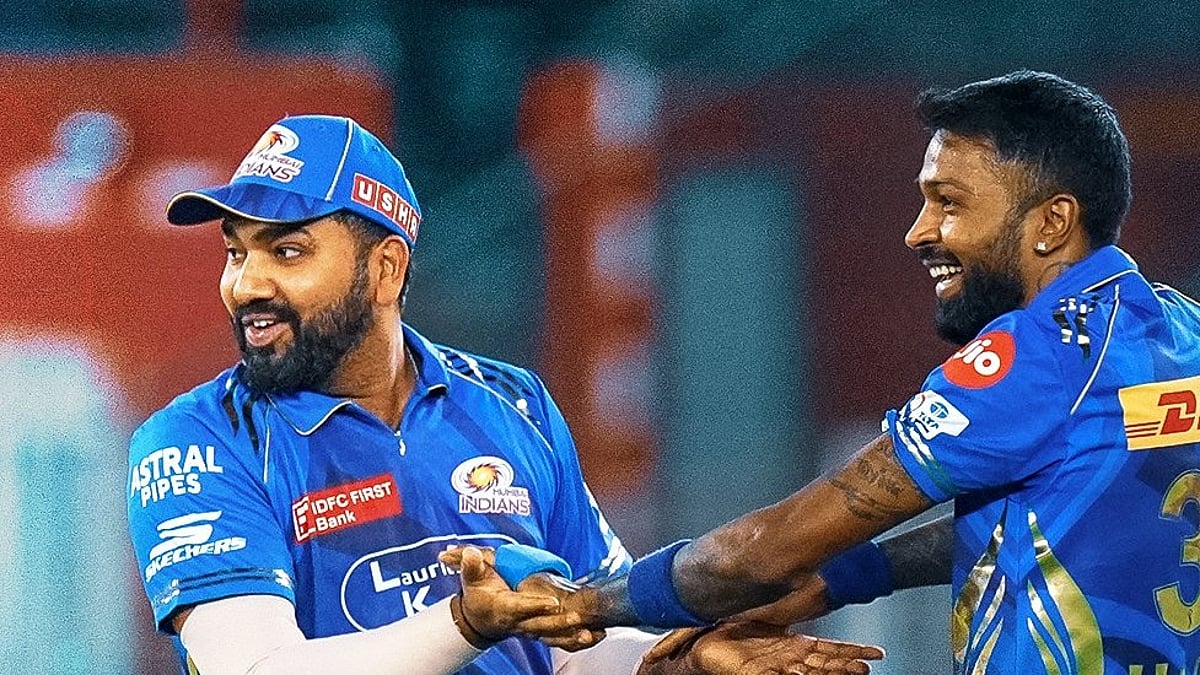
What separates Pandya’s case from Rohit’s – beyond the nature of the injuries – is what happened before the IPL even began. Rohit sustained a hamstring strain in the middle of the tournament and missed several matches for Mumbai Indians. Pandya’s problems ran deeper and longer. Back spasms persisted through the second half of the season, limiting him to ten of MI’s 14 league games and reducing his effectiveness when he did play. He scored 206 runs and claimed just four wickets at an economy rate of 11.43. Mumbai finished ninth in the points table, failing to reach the playoffs. Rohit’s hamstring had been tracking through EH’s coverage of MI’s survival push in May, but Pandya’s back situation is the one that kept returning without resolution.
The last time Pandya played an ODI for India was in the ICC Champions Trophy 2025 final in Dubai, against New Zealand. Since then, the 32-year-old had been effectively managed out of the 50-over format – a deliberate, BCCI-sanctioned workload management decision with the T20 World Cup earlier this year as the target. The Afghanistan series now marks his attempted re-entry into a format where India’s World Cup 2027 planning places enormous weight on having a fit, bowling all-rounder at number seven. Without that, the balance of the batting order shifts, the bowling attack loses a sixth option, and the death-over arithmetic changes entirely.
The BCCI has not made public what specific benchmarks Pandya must hit to receive clearance. Match simulations, as described by Business Standard, typically involve sustained bowling spells under load – designed to replicate the physical stress of ten-over bowling stints across consecutive days of a series. For a fast-bowling all-rounder returning from back trouble, that is the realistic ceiling of what a fitness test can and cannot tell you. It confirms readiness to start. It does not guarantee he completes the series.
Rohit’s situation has generated less clarity still. The BCCI called both players to Bengaluru, but as of Wednesday, there was no confirmed schedule for the former captain at the CoE, Outlook India reported. Rohit was seen at the T20 Mumbai League opening ceremony on June 1 but made no public statement about his fitness timeline. If he also requires clearance – and the squad announcement made clear he does – the window is identical: arrive, clear, or be replaced before June 13.
India’s full ODI squad for the Afghanistan series, as announced by the BCCI, lists Shubman Gill as captain with Shreyas Iyer as vice-captain. KL Rahul and Ishan Kishan share wicketkeeping duties. The bowling complement includes Kuldeep Yadav, Arshdeep Singh, Prasidh Krishna, Washington Sundar, Gurnoor Brar, and Harsh Dubey – a unit capable of managing three ODIs without Pandya, but one that loses its primary all-round flexibility if he remains unavailable beyond the Afghanistan assignment.
The timing matters beyond these three ODIs. India face England in a three-match ODI series in the United Kingdom next month. That tour, against a full-strength English side at home, is the kind of examination that separates preparation from performance in a World Cup cycle. Selectors will almost certainly want both Pandya and Rohit – if fit – operational by the time that tour begins. The Afghanistan series functions partly as an extended fitness rehearsal for an England examination of higher consequence.
In his ODI career across 94 matches, Pandya has accumulated 1,904 runs at an average of 32.82 and taken 91 wickets. Those numbers do not fully capture what he provides: the license to bat at seven with power, the ability to bowl a tenth over at pace in the death, and the flexibility that allows India to carry an extra specialist. Finding a like-for-like replacement within the current squad is not straightforward, which is precisely why the BCCI opted to include him conditionally rather than leave him out entirely. The CoE this week will answer the question that statistics cannot: whether the back will hold.
India and Afghanistan are also scheduled to play a one-off Test at the Maharaja Yadavindra Singh International Cricket Stadium in New Chandigarh from June 6 to 10 before the ODI series begins. Virat Kohli has already been ruled out of the ODI series entirely with a hamstring injury, adding a third senior player to the fitness casualty list. The ODI series itself runs June 13 in Dharamsala, June 17 in Lucknow, and June 20 in Chennai. Whether Pandya is in Dharamsala or on the treatment table – that question will be answered, one way or another, by the end of next week.