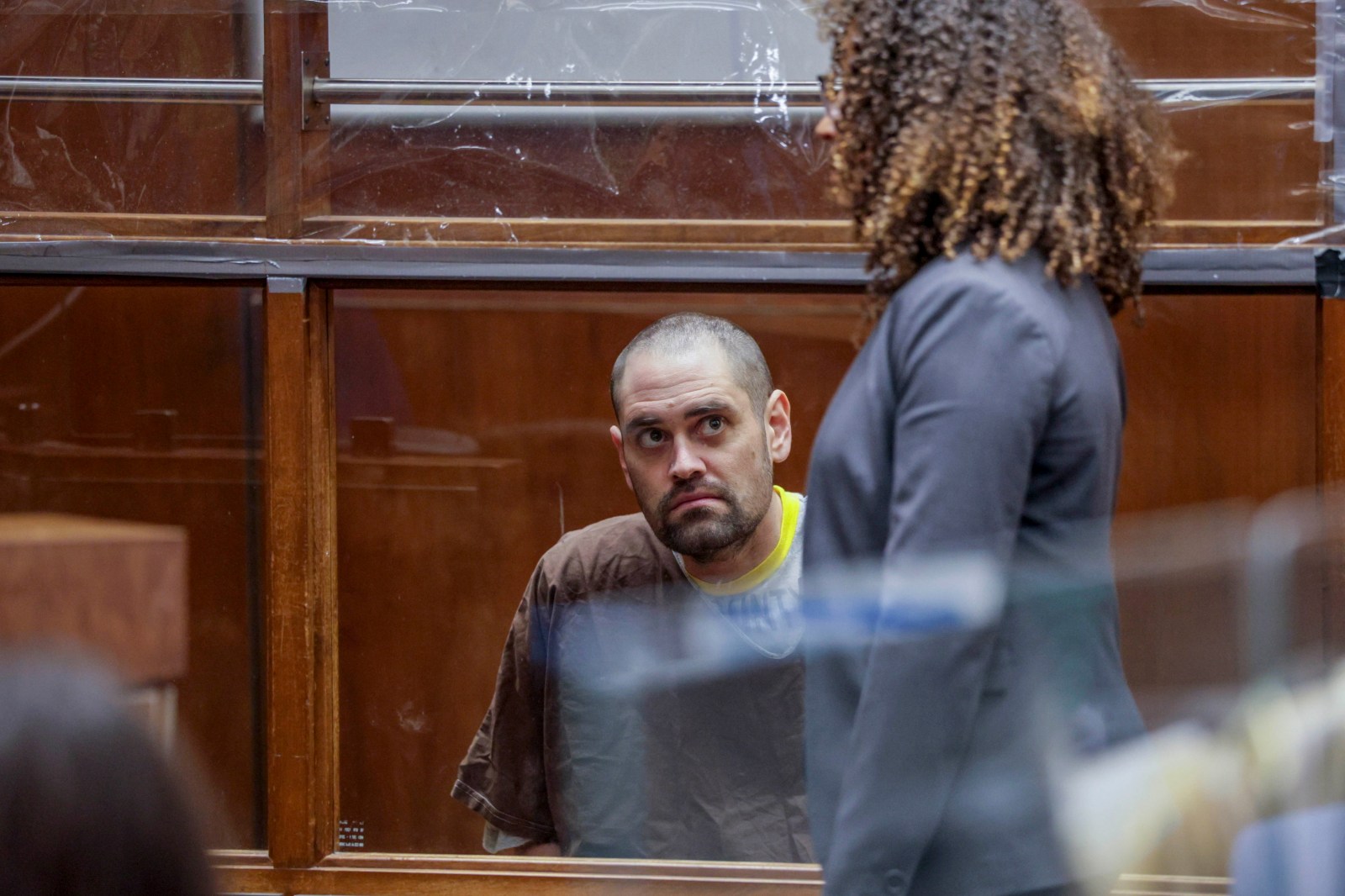

LOS ANGELES — The trust was created in 1993, when Nick Reiner was new to the world and his parents were planning for a future he would live to spend. Thirty-three years later, the money Rob and Michele Reiner set aside for their son has become the thing he says he needs most, because it is the only way he can pay the lawyers defending him against the charge that he killed them both.
A petition filed Monday in Los Angeles Superior Court asks a judge to order the release of the $1.5 million Nick Reiner Children’s Trust, or at least half of it, Deadline reported. The filing, brought by attorney Anita Wu of Brown Neri Smith & Khan on Reiner’s behalf, names trustee Paul Kanin and incoming trustee Jodi Montgomery, and it accuses them of sitting on money that stopped being theirs to manage years ago.
Wu’s language is built for urgency. “The harm is irreparable, and it grows with each day the Trustee withholds funds that are already Nick’s,” she wrote, describing a “shifting series of excuses and justifications” for the trustee’s refusal to hand over $750,000 that came due, under the trust’s own terms, when Reiner turned 30 in September 2023. That was more than two years before anyone outside the family had reason to know the trust existed.
What the money buys is the point. Reiner, 32, is charged with two counts of first degree murder with special circumstances, a case in which Los Angeles County prosecutors can seek the death penalty. He is currently represented by deputy public defender Kimberly Greene. The petition is designed to change that, by bringing back Alan Jackson, the high-profile defense attorney who stepped away from the case at a January 7 news conference when it became clear there was no money to pay him.
The charges stem from December 14, 2025, when Rob Reiner, the 78-year-old director of “When Harry Met Sally” and “A Few Good Men,” and Michele Singer Reiner, a 70-year-old photographer, were found dead of multiple sharp force injuries at their Brentwood home. Their son, who had been living with them, was arrested the same day, and NBC News reported that District Attorney Nathan Hochman charged him within days. The night before the bodies were found, the family had attended a Christmas party where, by multiple accounts, father and son argued loudly enough for other guests to notice.
The petition does not address the obvious tension at the center of it: the wealth Reiner wants to draw on exists because of the two people he is accused of killing. Whether that fact has any legal bearing on the trust is one of the questions Judge Ruben Garcia may have to sort out at the hearing now set for August 17. Kanin and Montgomery have not responded publicly to the filing, and the petition itself, at least as described in the reporting, does not say what reasons the trustee gave for withholding the distributions it characterizes as excuses.
There is a grim familiarity to the structure of the fight. Money, not evidence, decided the shape of Reiner’s defense once already. Jackson’s exit in January moved one of the most closely watched murder cases in Hollywood history from a private defense table to the public defender’s office in a single afternoon. The new filing is an attempt to move it back before the criminal case resumes on September 15.
The filing landed in the same courthouse system that has spent the week processing another celebrity reckoning, a civil suit in which a former child actor is asking whether the adults around Sean Combs can be made to answer for what allegedly happened in a Hollywood Hills back room in 2007. The two cases share nothing but geography and a lesson the entertainment industry keeps relearning: its legal dramas are now as closely followed as its premieres.
Nick Reiner’s troubles were never a secret. He spent years talking openly about heroin and cocaine addiction, about cycling through treatment programs and stretches of homelessness. A decade ago his father directed “Being Charlie,” a film Nick co-wrote about a young addict moving through rehab, a project the two men described at the time as a way of working through what their family had survived. The film now reads as a different kind of document.
None of the coverage so far establishes how the trust was invested, what it is worth today beyond the $1.5 million figure in the petition, or whether Jackson has committed to return if the money comes through. Those gaps matter, because the August 17 hearing will decide more than a probate dispute. It will decide who stands next to Nick Reiner when a jury is finally asked what happened in Brentwood.
The trust was a parent’s instrument, drawn up the year their son was born, meant to mature quietly alongside him. The petition asking to crack it open runs through the Los Angeles probate system like any other. The difference is in the caption, where the names of the people who created it now appear only as the victims in the criminal case it is being asked to fund.