LOS ANGELES — The negotiation that shut Hollywood down for half of 2023 took months of brinkmanship and two strikes to resolve. Its successor took twenty-nine days and ended with a press release before most of the town woke up.
The Directors Guild of America reached a tentative four-year agreement with the Alliance of Motion Picture and Television Producers, The Hollywood Reporter said, capping talks that began on May 11 and beat the June 30 contract expiration with three weeks to spare. The deal now goes to the guild’s board and then to roughly 19,000 members for ratification. Neither side disclosed terms. The AMPTP said it appreciated the hard work and commitment of its guild partners in achieving a fair deal that helps advance a stable and successful entertainment industry, the kind of sentence both sides write when neither wants to relitigate anything in public.
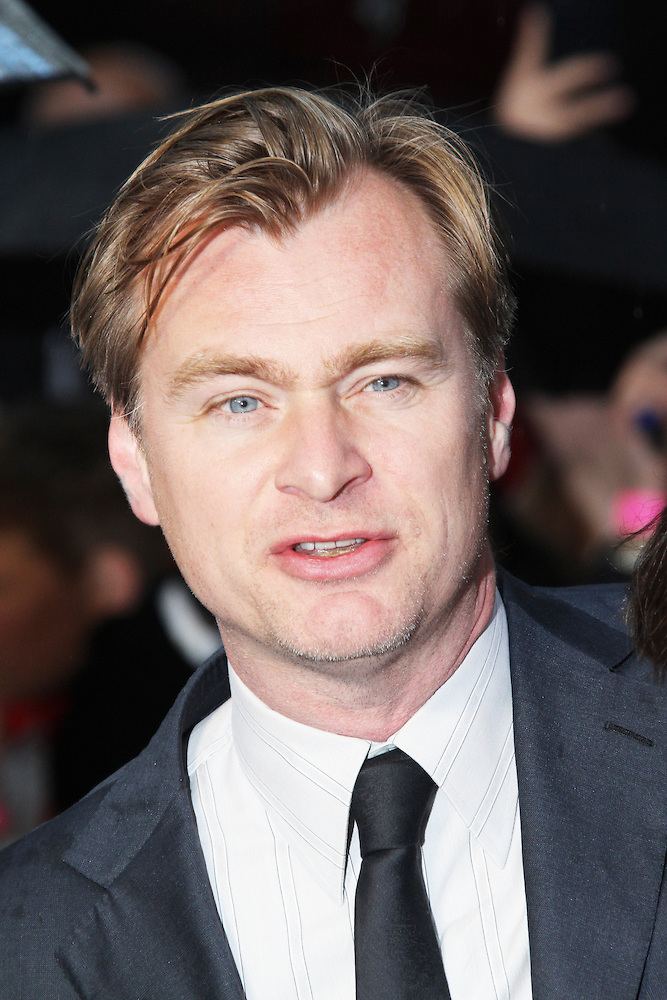
The settlement makes the directors the third guild to lock in a four-year contract this cycle, after the writers and SAG-AFTRA settled earlier in 2026 under the pressure of health and pension funds running toward insolvency. Christopher Nolan, the guild’s president, had publicly resisted a five-year term and accepted four to keep the three unions’ expirations aligned, Deadline reported, which means Hollywood’s entire labor calendar now points at the same cliff in 2030.
What the directors fought over is known even if the outcomes are not. The guild went in seeking a larger role in how artificial intelligence tools are used and how generative AI can transform members’ work, alongside the unglamorous arithmetic of a health plan that has been losing money, a fix expected to combine higher employer contributions with trimmed benefits. Employment itself ranked higher on the directors’ list than on their sister unions’: fewer shows ordered means fewer episodes directed, and no residual formula compensates for work that never happens.
The speed of the handshake is the most legible term of all. Studios facing a possible labor disruption while Paramount and Netflix wage a letter war at the Justice Department over the $110.9 billion Warner Bros. Discovery takeover had every incentive to buy peace quickly, and a guild watching the industry consolidate had every incentive to bank a deal before its counterparties merge into fewer, larger ones. Nobody on either side wanted 2023 again, and the unions remember how that year’s leverage was built: the Teamsters and crews are already telling regulators the merger threatens the workforce that the new contract is supposed to protect.
That is also the asterisk on the celebration. A four-year agreement stabilizes wages and benefits against the employers that exist today. It cannot stabilize the number of employers. If the Warner deal closes, the body that sat across the table from the DGA will contain one fewer major studio by the time the ink dries on ratification, and the next negotiation in 2030 happens against whatever Hollywood consolidation leaves standing.
What nobody can assess until the guild releases the summary is whether the AI language has teeth, how much of the health fix lands on members, and what the wage floors concede to an industry pleading contraction. Tentative deals have failed ratification before when the details disappointed the membership that the headlines had reassured. The board meets first; the members, who direct for a living and read fine print for survival, vote after.
In 2023 Hollywood’s labor wars were loud because the industry believed it could afford them. The 2026 version concluded in a month, quietly, terms sealed, with everyone watching the merger instead. Peace this quick is rarely about harmony. It is about both sides knowing the real fight is happening in a different room.