
LOS ANGELES — The fight over Hollywood’s biggest merger has reached the stage where the two most powerful companies in streaming are describing each other to the Justice Department in the language of arson.
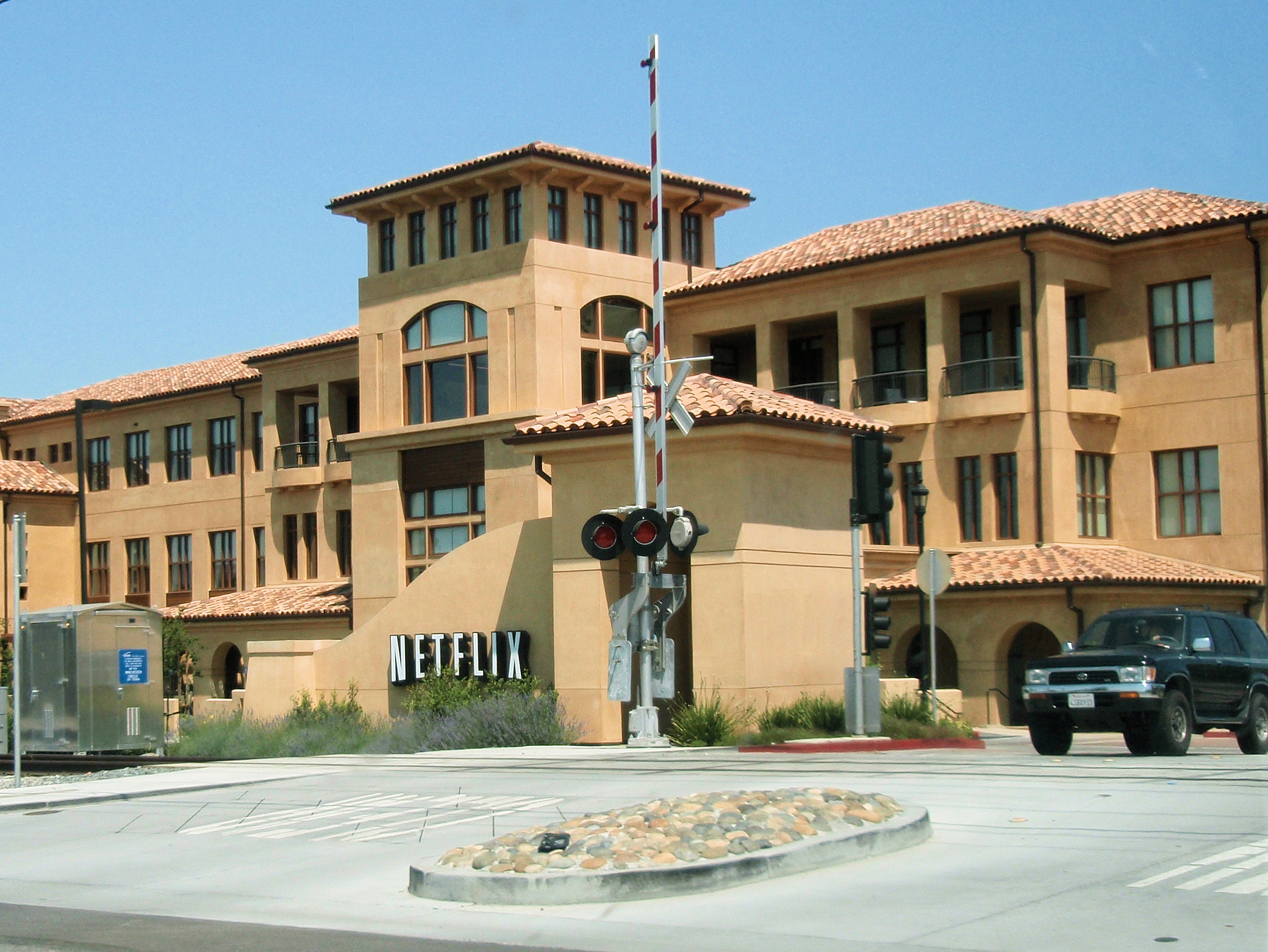
In a June 5 letter to the department, Makan Delrahim, Paramount Skydance’s chief legal officer, accused Netflix of a panic level response and a scorched-earth campaign to try and poison regulators against Paramount’s $110.9 billion acquisition of Warner Bros. Discovery, Deadline reported. Netflix’s answer arrived with the brevity of a company that believes it holds the receipts: these claims are absurd, it said, we walked away from this deal months ago, and we are focused on our own business, not theirs.
A letter war between Netflix and Paramount is itself a measure of the stakes. Whoever ends up owning Warner’s century of film, HBO and the Max platform reshapes the economics of streaming for everyone, and both companies know that the most effective antitrust argument is often about the arguer. By framing opposition to the deal as a rival’s sabotage, Paramount is inviting regulators to apply the oldest discount in competition law: complaints from competitors are presumed to protect the competitor, not competition.
What gives the exchange its edge is that Netflix is no bystander. It bid for Warner Bros. Discovery, lost to what the target’s board judged Paramount’s superior offer, and collected a $2.8 billion breakup fee on its way out the door. The company now accused of burning the winner’s prize banked nearly three billion dollars for losing it, and its reply to the Justice Department amounts to a shrug: the check cleared, the grievance is yours.
Delrahim’s letter had a second audience. It doubled as Paramount’s rebuttal to the International Brotherhood of Teamsters, whose March white paper told the department that David Ellison’s company posed a direct threat to film and television workers nationwide. The deal is a win for the Teamsters and other labor unions, Delrahim wrote, arguing that the targeted $6 billion in synergies comes from technology, back-office functions and real estate rather than production, that content spending rises after the merger, and that the combined studios will release at least 30 theatrical films a year, fifteen per studio, each with a 45-day exclusive window. Netflix’s sky-is-falling narrative, he added, departs significantly from the ground-truth reality.
The unions’ anxiety did not come from Netflix. It came from watching what the new Paramount has already done with the assets it owns: the firing of Scott Pelley at 60 Minutes and the open letter from 130 journalists led by Dan Rather demanding Ellison protect a profitable franchise his leadership was reshaping anyway. Paramount can fairly argue that news division politics say nothing about soundstage jobs. The unions can fairly answer that conduct is the only evidence that ever predicts conduct.
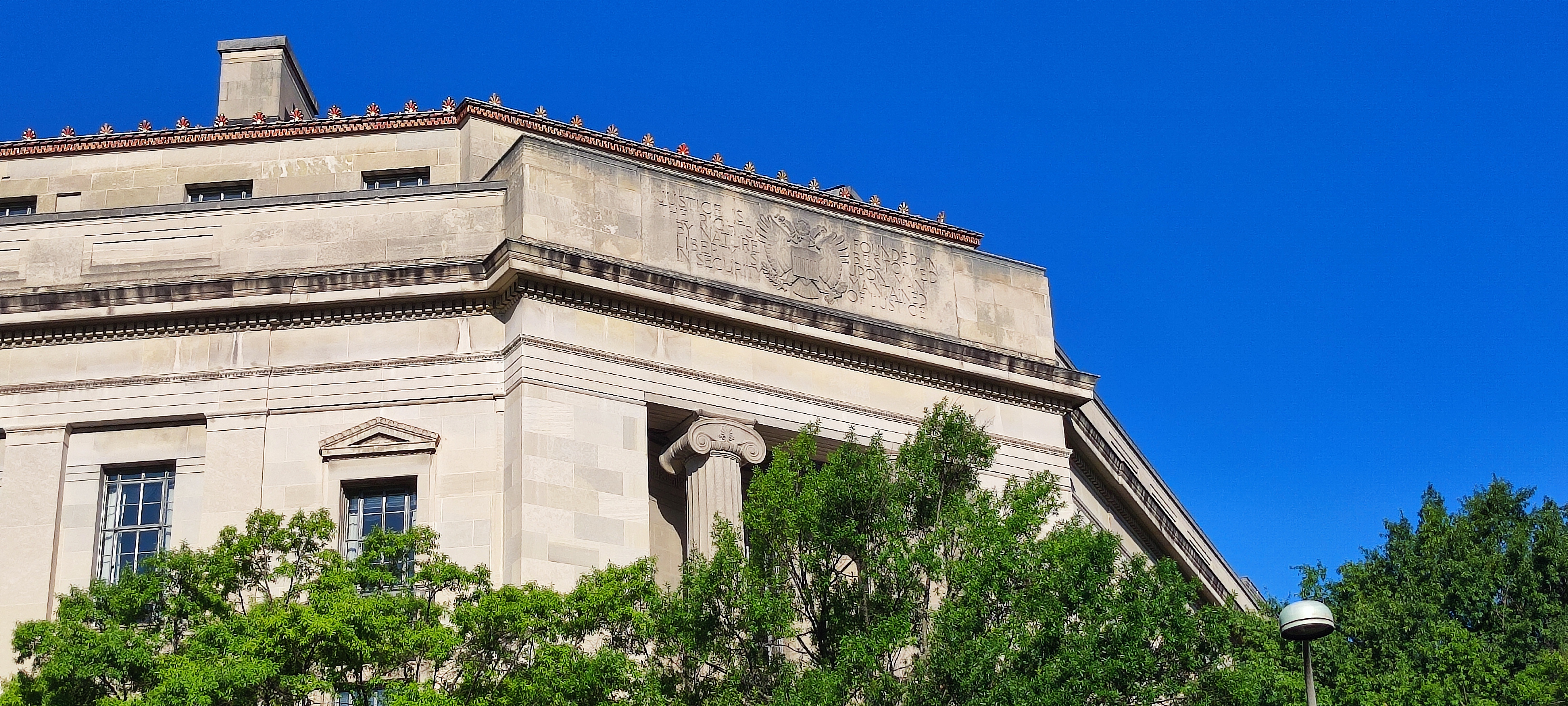
The letter plays to a crowded gallery. The Justice Department’s review is pending with no public timetable. Britain’s competition authority has a formal probe running against an August 7 deadline, Brussels decides by July 7, and California is recruiting a star trial lawyer for a multistate lawsuit expected within a month. Every audience reads every filing, which is why a letter nominally addressed to one regulator is really written for all of them.
What nobody outside the buildings can see is the conduct under dispute. Paramount did not publish evidence of what Netflix has said to regulators in private, Netflix did not detail what its government affairs operation has or has not done, and the department itself, as ever, says nothing. The scorched-earth campaign exists, for now, only as an accusation and a denial, which is exactly the state of play both companies can live with.
In streaming’s first decade, Netflix taught Hollywood that distribution is power. The lesson of this week’s correspondence is that everyone learned it. The surest way to fight the next giant is to call the last one a saboteur, in writing, somewhere the regulators are certain to read it.