
LOS ANGELES – Before the first trailer dropped, Netflix installed a furnished replica of the film’s suburban home on Sunset Boulevard and invited one of the cast to live inside it. Passersby stopped to watch through the billboard’s facade. The stunt was deliberately strange. So is what happened next.
The Last House, the platform’s new sci-fi thriller from director Louis Leterrier, arrived on August 7 with a 28 percent rating on Rotten Tomatoes (47 reviews, averaging 4.6 out of 10) and climbed to Netflix’s No. 1 spot globally in under 48 hours. It outranked Kevin Hart’s 72 Hours, the true-crime drama Elize: Shadows of a Woman, and Liam Neeson’s In the Land of Saints and Sinners. The audience score on the same platform sits in similarly low territory. This was not a case of critics missing what viewers loved. Both groups found the film wanting. Audiences watched anyway.
Empire called it “Netflix’s latest attempt at the next Bird Box” and wrote that it “doesn’t fully utilise its acting talents, but the premise is fun enough.” Brian Tallerico, writing for RogerEbert.com, argued the film fails to provide either thrills or ideas. Screen Rant awarded it 2 out of 10, calling it one of the worst films of the year. None of that moved the chart.
Leterrier, who directed Now You See Me, the Netflix series Lupin, and Fast X, is not a filmmaker associated with quiet releases. The film was originally titled 11817, a cipher the studio never publicly decoded, before being rebranded for streaming. The premise holds real tension: a family of four is locked inside their suburban home when all exits seal without warning during a mysterious global event. Resources diminish. The silence outside turns threatening.
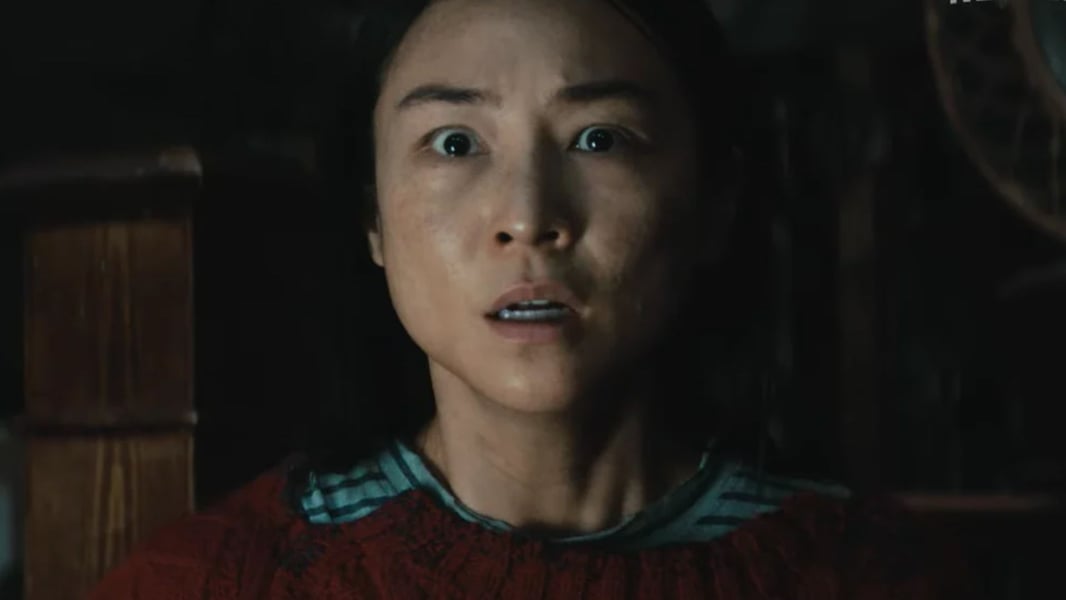
Greta Lee plays Ann, the mother holding the household together as order dissolves around her. Wagner Moura is her husband Jason. Arden Cho plays their adult daughter Ruth; Gabriel Chung is their teenage son Graham. Audrey Anderson appears in a supporting role. The cast has drawn consistent if somewhat exasperated praise from critics who felt the script placed them beneath their abilities. The film runs 110 minutes.
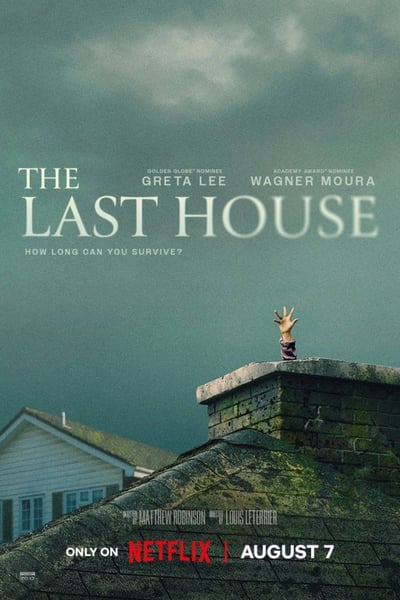
Matthew Robinson wrote the screenplay. Peter Chernin, Jenno Topping, Joe Neurauter, and Leterrier produced. Principal photography ran from April 21, 2025, at Shepperton Studios in England.
Where critics lost patience was the resolution. The film eventually reveals that the creatures sealing the family inside are oceanic beings reclaiming a planet humans have exhausted. The family survives by showing mercy at a decisive moment, escaping to open water and joining survivors on a salvaged boat. The spiritual arithmetic satisfied no one in the critical press. Whether it satisfied the Netflix audience is harder to determine (the platform does not release viewership data at launch) but the chart position suggests the film was watched in substantial numbers.
The Sunset Boulevard stunt was a calculated evocation of Bird Box, Sandra Bullock’s 2018 Netflix apocalyptic thriller that became the platform’s most-watched film at its time of release despite divided notices. It seeded a now-established genre of internet-friendly survival films. Bird Box inspired a sequel set in Barcelona in 2023 and a second follow-up set in Seoul in 2025. Whether The Last House traces the same path depends on what Netflix’s internal data shows behind that global ranking. The platform has not addressed the question publicly.
The broader pattern is now reproducible. Films that generate internet discourse, whether from enthusiasm, puzzlement, or derision, trend on the platform regardless of critical consensus. The gap between Rotten Tomatoes and the daily global chart has rarely felt wider this year, and The Last House, landing at the top of one while sitting near the bottom of the other, is as clean an illustration of that gap as Netflix has produced in 2026.
Streaming attention in August remains contested. House of Dragon‘s season finale drew significant attention across streaming and linear television this month, while competing services have deployed their own tentpoles. The Last House’s timing was deliberate. Netflix needed a dominant title for the week, and the film delivered on schedule, regardless of what the critical press concluded.
Leterrier has not commented publicly on the reception or on a potential follow-up. The oceanic beings at the center of the film remain largely unexplained (their origin, their method, their limitations left undisclosed), and the survivors aboard that boat are headed somewhere the film declines to specify. Whether that ambiguity reads as sequel-seeding or simply as unresolved storytelling is now a question the director and Netflix are in a position to answer, with a chart-topping debut behind them and a clearly curious, if not necessarily enthusiastic, global audience ready for more.