
LOS ANGELES – Louis Leterrier described making “The Last House” as the hardest project of his career, according to The Hollywood Reporter. The Netflix survival thriller, which begins streaming today, clarifies the difficulty: he found two of the most acclaimed performers of recent seasons, sealed them inside a single location with a mystery that refuses satisfying explanation, and asked them to carry nearly two hours of mounting dread on the strength of a script that several critics found insufficient for the task.
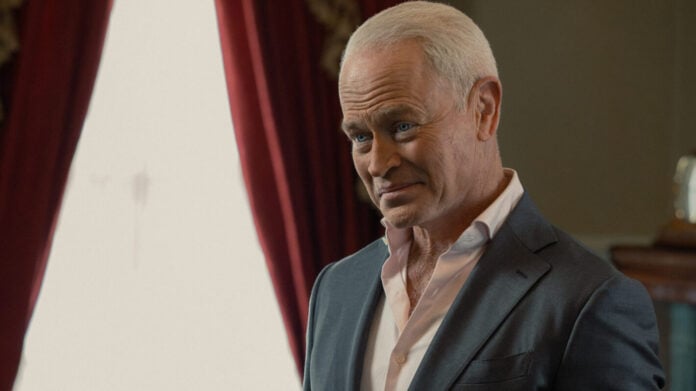
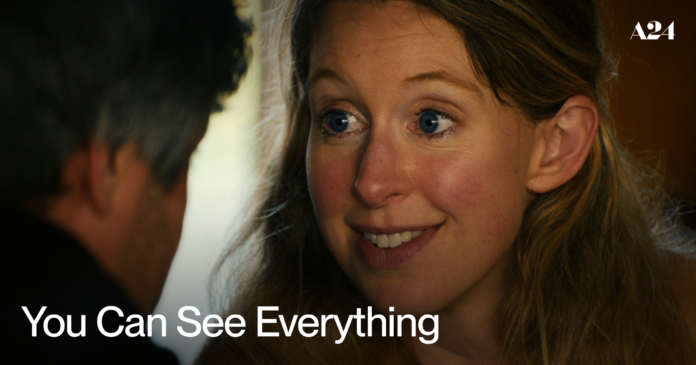
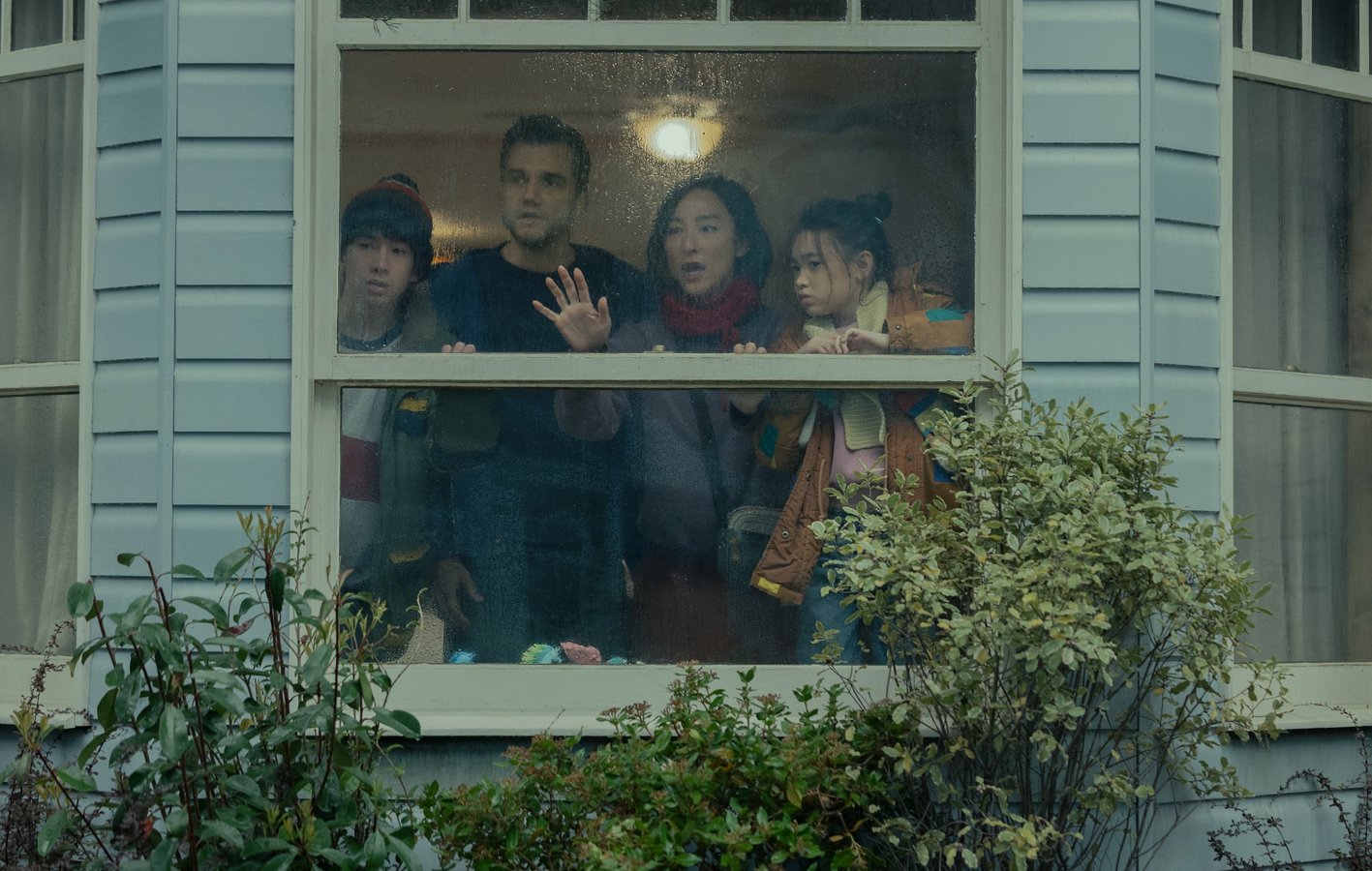
Greta Lee, who earned a Golden Globe nomination for “Past Lives” in 2023, plays Ann, the mother of a family of four who discover one morning that their house has been sealed by an unseen external force. No explanation accompanies the sealing. No exit exists. The family’s dwindling resources inside function as the film’s clock; the invisible threat outside functions as its mystery. Wagner Moura, whose Narcos performance remains a benchmark for physical commitment in prestige television, plays Jason, Ann’s husband. Riley Chung, Emma Ho, and Gabriel Barbosa complete the family unit. For one hour and fifty minutes, these five people wait, argue, and try to survive.
Leterrier arrived at this project with a filmography built on scale and movement. He directed “The Incredible Hulk” for Marvel in 2008, “Now You See Me” in 2013, and “Fast X” in 2023, a production whose logistics reportedly tested every system put in place to contain them. “The Last House” strips every one of those tools away. There is no set piece, no global location rotation, no spectacle that earns the runtime. What remains is two marquee performers in a domestic space small enough to map in memory after a single viewing.
The film was reportedly shot with IMAX specifications in mind, a format that expands the visible frame and gives cinematography compositional room unavailable in standard presentations. Polygon reported that streaming viewers watching on Netflix will not see the film as Leterrier intended it. The IMAX ambition exists within individual shots; the IMAX experience does not exist in the context in which most audiences will encounter them.
The critical consensus that met the film’s release today is predominantly negative, with notable exceptions. NME’s Victoria Luxford said the film “runs out of ideas very quickly,” describing it as “more sombre than scary” and concluding that both Lee and Moura are “left flailing against the current” of a script that assigns them characters without sufficient interior definition. Alex Harrison at Screen Rant called it “a mess with very few redeemable qualities.” The Wall Street Journal headlined its review “An Unthrilling Thriller.” Manuel São Bento, writing at Movies We Texted About, found the script “never digs past surface ideas, leaving thematic territory largely unexplored.”
The dissenting reads gave the cast real credit. William Bibbiani at TheWrap described the film as “skillfully presented and exceptionally well cast, which makes up for most obvious deficiencies,” a judgment that reads less as a recommendation than as a precise accounting of what works and what does not. The Guardian offered the gentler verdict that the film is “a solid night in,” situating it as a post-pandemic lockdown thriller whose premise carries a cultural weight that the narrative does not fully earn but also cannot entirely shed.
The structural problem critics return to is the gap between the central mystery and the drama constructed to contain it. “The Last House” commits its audience to sustained suspense around a threat that remains undefined until late in the runtime. That approach can work: M. Night Shyamalan has built a career on versions of exactly this containment strategy. What it requires is either a slow-burn mastery that keeps curiosity alive across the wait, or characters whose interior lives are compelling enough to carry the time without the plot. NME’s Luxford compared the film to a Shyamalan concept the director might have set aside, which locates it within a recognisable failure mode for the contained-location genre.
Lee’s work operates deliberately against the register that made her reputation. “Past Lives” required restraint, accumulation, and the precise communication of longing across long stretches of near-silence. “The Last House” asks instead for fear, urgency, and domestic tension as survival conditions. Lee is technically capable of the register this film needs. The problem, as multiple critics identified, is that the script does not supply enough for her to do it with.
Netflix’s original film programming in 2026 has tracked the platform’s financial turbulence. After a rare revenue miss in the second quarter, Netflix maintained its content investment rather than contracting it. “The Last House” is the product of that commitment: a title with Leterrier’s commercial track record, Lee’s post-awards profile, Moura’s international following, and the technical aspiration of IMAX cinematography, all arriving on a platform that spent the summer recalibrating its content strategy against earnings pressure.
The comparison that most naturally attaches to “The Last House” is with the year’s other prestige streaming arrivals that divided critics along similar lines. Borgli’s The Drama, starring Zendaya and Robert Pattinson, arrived on HBO Max last week after a $132 million theatrical run and a critical divide of its own. In theatrical release, DC Studios’ Supergirl prompted identical questions about what happens when strong casting and genuine production ambition arrive without a script equal to either. 2026 has been, among other things, a year of watching talented performers work harder than the material demands.
Audiences who came to “Past Lives” or Narcos for the performers, and who can tolerate a film whose mystery does not resolve with sufficient force, will find something worth watching in this Netflix release. Those expecting the threat at the film’s centre to justify the wait are likely to reach the same conclusion as the majority of critics tracking the film at Rotten Tomatoes: that “The Last House” wanted to be exceptional and settled, by the end, for adequate.