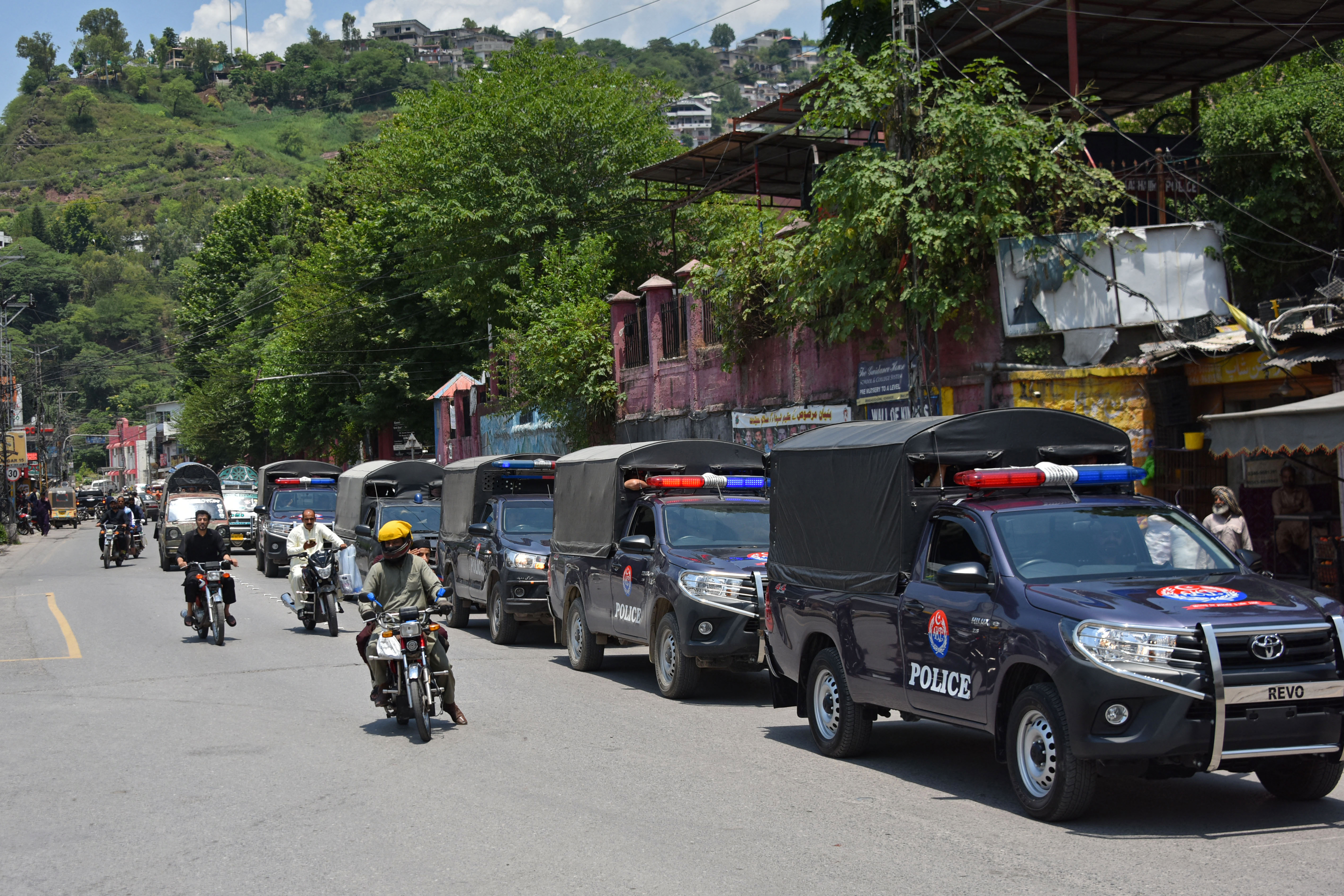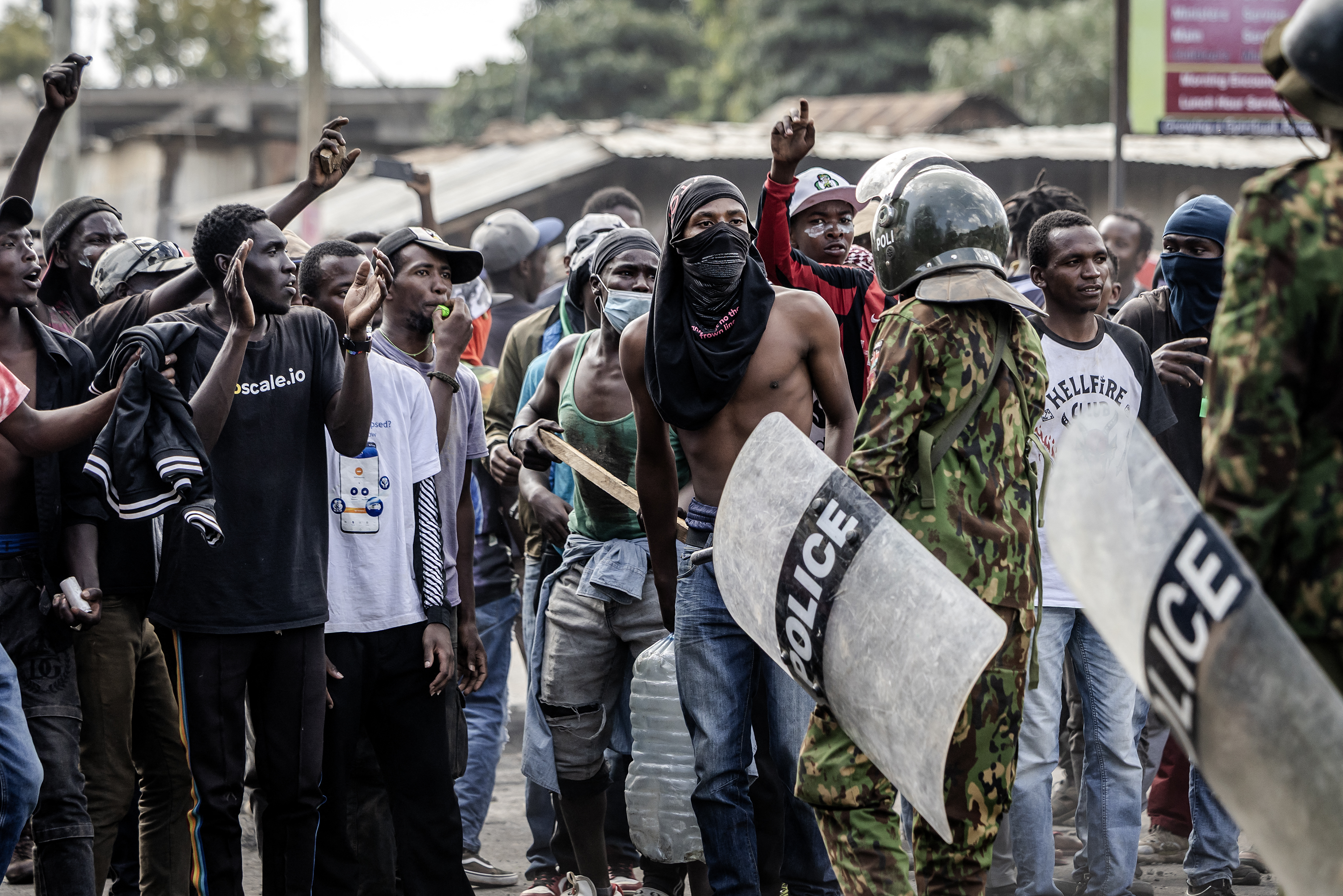

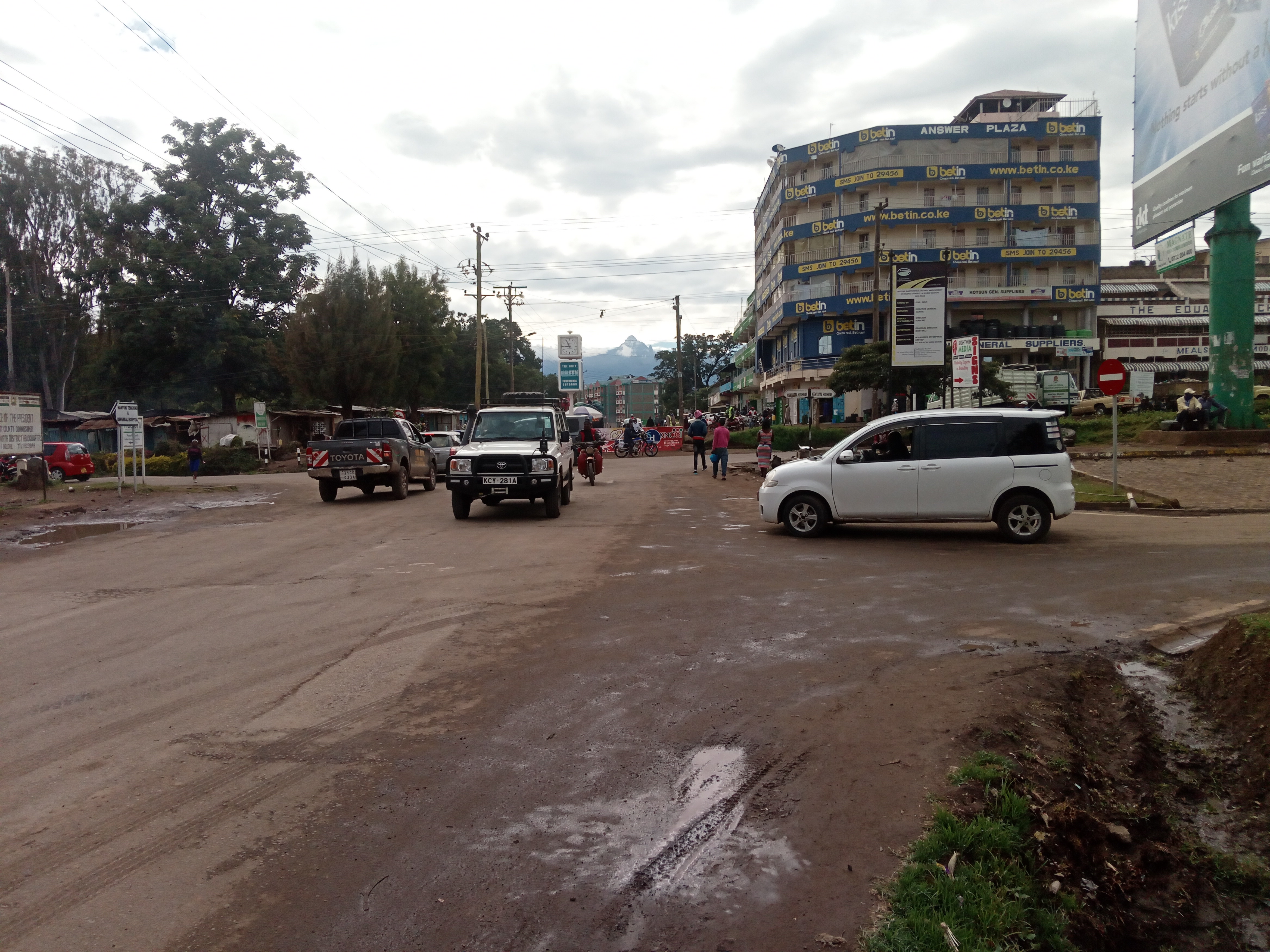
NANYUKI, Kenya — The man died the way the town had been warning someone would. As hundreds of residents marched again on Tuesday against the American quarantine camp rising at the edge of their town, Kenyan police met them with water cannon, then tear gas, then live fire, and a protester fell with a gunshot wound to the head, the rights group Vocal Africa said. He was at least the third person killed in Nanyuki over the camp in a week.
The facility the town keeps bleeding over is a 50-bed quarantine unit under construction at Laikipia Air Base, built to hold United States citizens exposed to Ebola in the outbreak now running through the eastern Democratic Republic of the Congo and Uganda, Al Jazeera reported. Americans who test positive would be moved elsewhere; the camp is for the exposed and asymptomatic. The outbreak strain, Bundibugyo, has no approved vaccine and no approved treatment, which is precisely why nobody in Nanyuki believes the reassurances.
What converts the town’s fear into fury is the legality. Kenyan courts have issued orders blocking the project, and the construction has simply continued, with US military aircraft ferrying staff and equipment into the air base in defiance of the rulings, according to flight tracking data and diplomatic sources cited in the reporting. Satellite imagery shows the white tents multiplying since late May. A foreign power is building a biohazard facility in a Kenyan town against the instruction of Kenyan judges, and the police shooting at the protesters are Kenyan.
The secrecy came first. Bill Muriuki, a doctor and trade unionist in the protest movement, told Al Jazeera that Kenyans learned of the camp only when the American secretary of state announced it, to Americans, and that the underlying agreement between the two governments has never been published. Nairobi insists the facility would serve Kenyans and foreign nationals alike, a claim American officials have conspicuously declined to confirm.
Tuesday’s death has a context that makes it heavier. A demonstration on June 4 ended with at least two people dead and another wounded, and the protest that followed on Tuesday was in part about those killings, a grief loop in which each funeral feeds the next march. The police response has escalated with the crowds, from tear gas to water cannon to the gunshot that Vocal Africa says killed a man through the head, the kind of wound that does not happen by accident.
The American position, delivered through diplomatic channels, is that Washington is working with the Kenyan government to resolve any objections. The objections include court orders, three bodies, and a town in open revolt, and the work of resolving them has so far consisted of more flights. It is the kind of sentence an embassy writes when the policy is to outlast the protest.
For Kenya’s government, the camp is a sovereignty trap of its own making. President William Ruto’s administration has spent years deepening its security partnership with Washington, and the Laikipia base has long hosted joint operations. But permitting an American epidemic-response facility that Kenyan courts have blocked, and policing the resulting protests with live ammunition, puts the state in the position of enforcing a foreign government’s project against its own citizens and its own judiciary at once.
The pattern is not unfamiliar this week. From Herat to Nanyuki, governments answered street protest with gunfire, and in both places the dead were demonstrating against decisions made over their heads. What distinguishes Kenya’s case is the democratic machinery that is being overridden: the courts ruled, the rulings hold on paper, and the tents keep going up.
The underlying epidemic is real, and so is the logic of forward quarantine. The Bundibugyo outbreak has killed in the DRC and crossed into Uganda, American responders are operating in both countries, and the United States needs somewhere to hold its exposed personnel. What Nanyuki is asking is why that somewhere is a Kenyan market town that was never consulted, rather than American facilities, and why the answer to the question has come from police rifles.
Much remains unverifiable or unanswered. The dead man’s name has not been released, the police have not acknowledged the shooting, and no official casualty count exists for a week that local accounts say has killed three. The text of the US-Kenya agreement remains unpublished, so no one outside two governments knows what was promised, for how long, or what Kenyan law it was written around.
The flights, by every indication, will continue, and so, by every indication, will the marches. A town of modest size at the foot of Mount Kenya has decided it does not consent to being the quarantine ward for another country’s outbreak, and the two governments that decided otherwise are discovering what enforcing that decision costs, one funeral at a time.