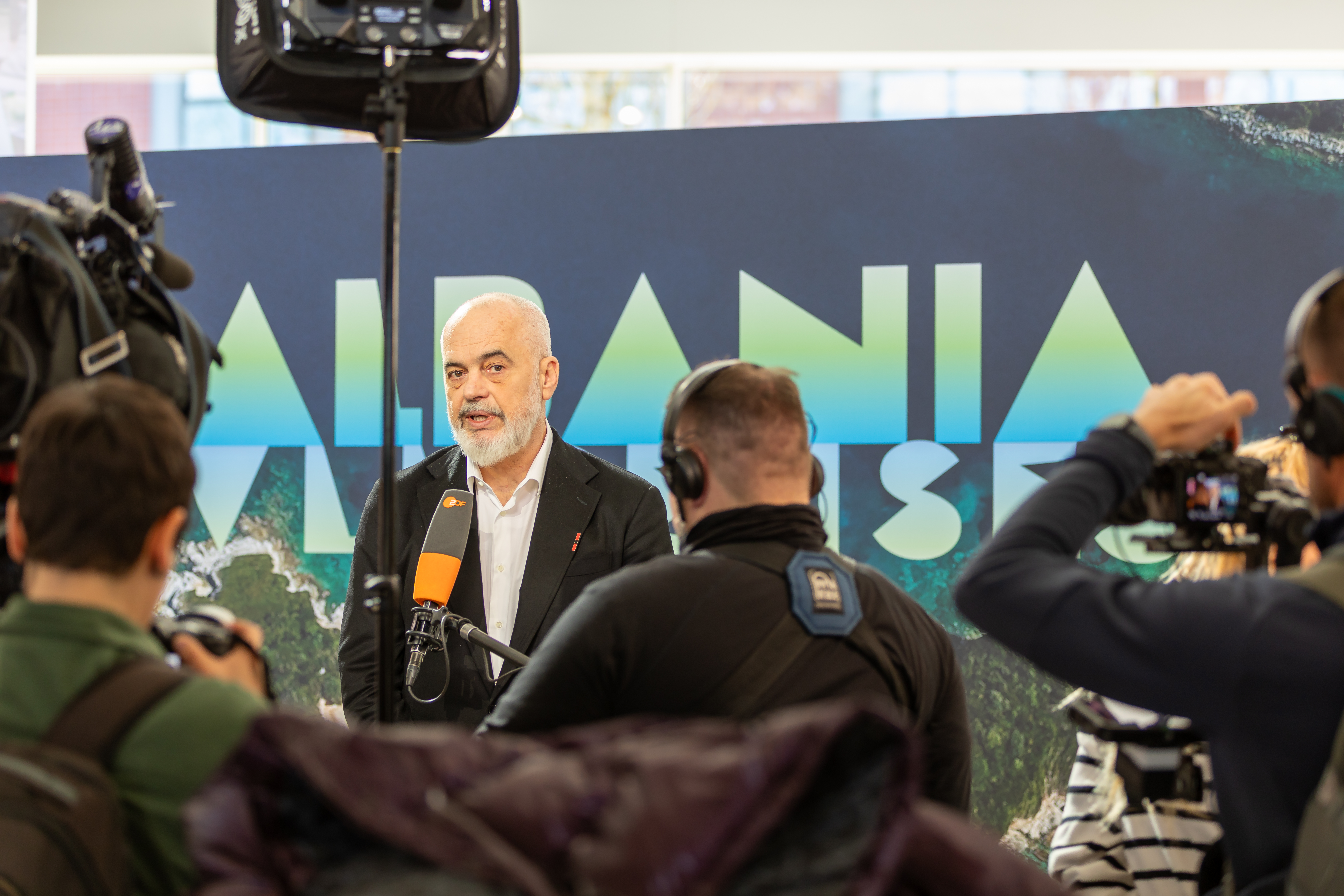

TIRANA — Two weeks of nightly protests, a criminal investigation, frozen bank accounts and warnings from Brussels have not moved Edi Rama an inch. Asked in an interview with The Associated Press on Tuesday whether he would step back from the $4 billion luxury development tied to Jared Kushner on Albania’s protected southern coast, the prime minister answered with a question of his own: step back from what?
Rama dismissed the environmental objections to the project as misinformation, half-truths that become bigger and bigger lies by the hour, in his words, and said the development was proof that Albania had become a country where the big capital wants to come and the big investors want to come, the AP reported. He suggested parts of the backlash were being amplified from abroad, citing what he described as a long-running Iranian cyber campaign against Albania, a claim for which he offered no evidence connecting Tehran to the crowds outside his office.
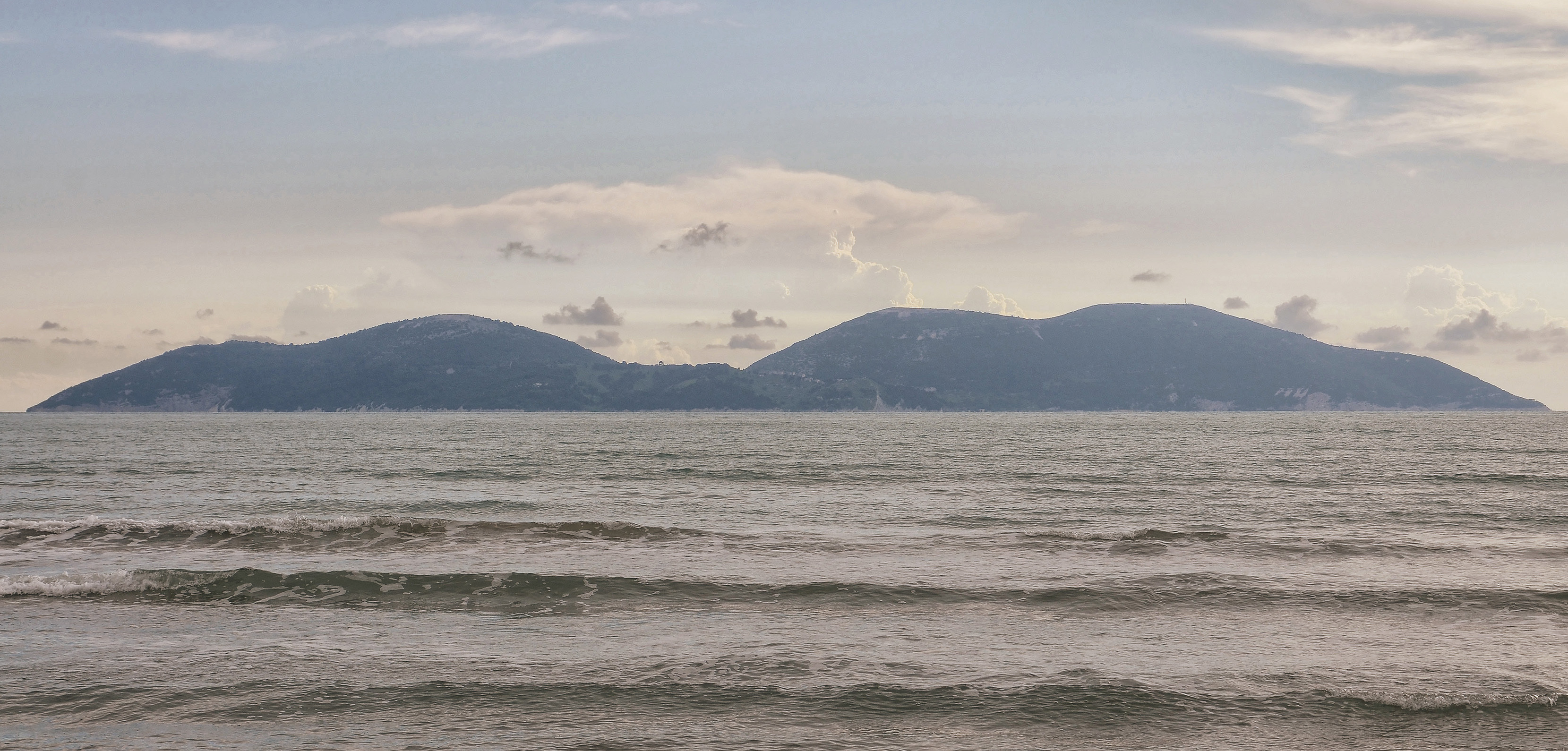
The project he is defending has two parts: a complex of hotels, apartments, villas and a yacht marina along the Narta Lagoon, a wildlife reserve on one of the last undeveloped stretches of Albania’s 450-kilometer coastline, and a smaller resort on Sazan, the uninhabited island fortress the communist military once honeycombed with bunkers. The investment firm involved, Kushner’s Affinity Partners, was granted special investor status by Rama’s government.
What it does not have, by the prime minister’s own account, is an environmental impact assessment. Rama told the AP none has begun because the plan is still under development, an explanation that has to coexist with the excavators that have been clearing land, cutting access roads and erecting fencing inside the reserve since late May. The machines arriving before the paperwork is precisely what brought thousands of Albanians into the streets, as The Eastern Herald reported when the protests first erupted over bulldozers on the protected coast.
The legal ground under the project is no firmer. Albania’s special anti-corruption prosecution body, SPAK, has opened a criminal investigation into how the land titles were obtained and how the area lost its protected status, as this newspaper reported when the probe was announced. In early June the prosecutors went further, freezing the bank accounts of Albania Land Development, the company owned by Qatari businessmen Moutaz and Ramez Al-Khayyat that assembled the beachfront plots, over allegedly fraudulent property titles in the Zvernec area near Vlora, according to the Organized Crime and Corruption Reporting Project.
Rama’s response to the freeze captured the straddle he is attempting. The investors are within their rights, he said, calling the blocking of the transaction arbitrary and negative, before allowing that blocking the transfer of money to an owner under suspicion is welcome. The investigation is legitimate, in other words, so long as it inconveniences only the Albanians who sold the land and not the Americans who intend to build on it.
The protesters outside his office in Tirana, gathering nightly under the banner Albania Is Not for Sale in what local media have taken to calling the flamingo revolution, after the birds that winter in the lagoon, have drawn the opposite conclusion. For them the project has become shorthand for a state that rewrites its own environmental law when the family of the American president comes shopping, in a country where land titling has been the engine of corruption for three decades. A private security guard at the site has already been arrested for violence against demonstrators, and Rama has answered the movement’s online wing by reposting an AI video mocking the influencers who support it.
The unease is no longer only domestic. Greece and the European Commission have both raised concerns about the rule of law and the protection of the Pishe-Poro-Narte wetland, awkward signals for a government whose entire foreign policy is the pursuit of EU membership. Rama’s case to Brussels is that the resort proves Albania can attract serious capital; Brussels’s question back is what kind of capital arrives ahead of the environmental assessment and stays through the asset freeze.
The Trump family’s business footprint makes the politics combustible far beyond Tirana. Affinity Partners is the president’s son-in-law’s fund, seeded with Gulf sovereign money, and its Albanian venture has advanced in lockstep with Rama’s courtship of Washington. Every permit the project receives while SPAK investigates its land titles will be read, fairly or not, as the price of a small NATO state’s standing with the White House.
Rama has survived bigger storms by waiting them out, and his calculation is visible: the protests will tire, the prosecutors will narrow their case to the sellers, and by the time the first villas rise over the lagoon the argument will be about jobs. The environmentalists’ calculation is that habitats do not regenerate on a political timetable, and that what the excavators take from the reserve this summer is gone regardless of who wins the argument.
What Tuesday’s interview settled is that no pause is coming from the government’s side. The machines stay, the assessment remains unwritten, the investigation proceeds around the project rather than through it, and the prime minister of Albania has chosen his answer to two weeks in the streets: step back from what?