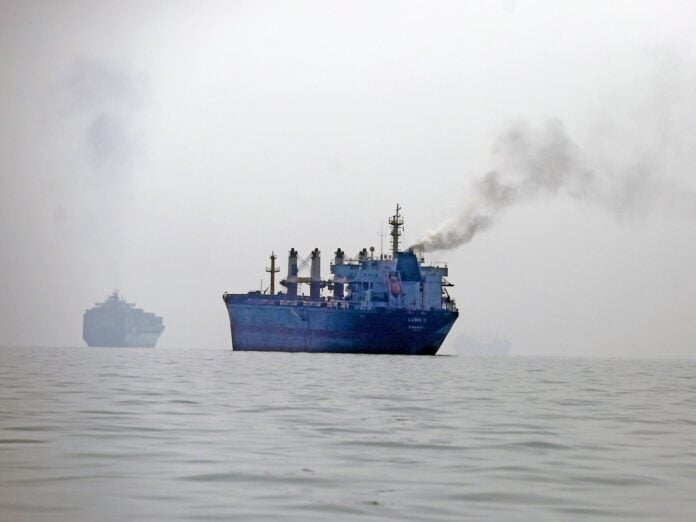
“The growth momentum of the Iraqi economy has slowed down in recent months. After the resumption of oil production last year and its return to the level it had reached before the outbreak of the Corona pandemic, the Oil production is expected to contract by 5% in 2023 in light of the OPEC+ decision to reduce the volume of oil production, and the interruption of the operation of the Kirkuk-Ceyhan pipeline, according to a statement from IMF experts who recently conducted a review of the Iraqi economy after meeting with Iraqi officials in the Jordanian capital, Amman.
Iraq is OPEC’s second largest oil producer, averaging 4.5 million barrels a day, of which about 3.4 million barrels are exported, as the Iraqi government relies on revenues from the sale of crude to cover approximately 95% of its expenses.
Iraq’s oil reserves are the fifth largest proven oil reserves in the world, amounting to 145 billion barrels.
The IMF statement indicates that market fluctuations in exchange rates, following the application by the Central Bank of Iraq of stricter controls to combat money laundering and the financing of terrorism on the sales of currencies, had a negative impact on the import-based non-oil market. sectors.
The IMF estimates that real non-oil GDP contracted by 9% (on a comparative annual basis) during the last quarter of 2022, which reversed the growth achieved during the first three quarters of the year.
“With signs of stabilization in the foreign exchange market, in light of measures taken by the Central Bank of Iraq, real non-oil GDP is expected to resume growth, reaching 3.7% in 2023,” according to the statement from the Monetary Fund. international.
The statement predicted that the inflation rate would average 5.6% in 2023, indicating that inflation has started to moderate after hitting 7% last January.
The statement said: “Favorable oil market conditions supported Iraq’s financial and outer centers, but structural imbalances continued to widen. In 2022, public finance surpluses and external current account balances widened. amounted to 7.6 and 17.3 percent of total GDP, respectively.” Returning to the record rise in oil revenues, the foreign exchange reserves of the Central Bank of Iraq also increased to $97 billion (equivalent to the value of 11 months of imports), which includes financial savings for the government amounting to 16.3 billion dollars (equivalent to 6% of At the same time, the large fiscal expansion increased the non-oil primary deficit from 52% to over 68% of non-oil GDP in 2022.”
He added that the fiscal expansion will increase further, as proposed in the budget bill for the year 2023, the magnitude of the non-oil primary deficit of public finances to reach 75% of non-oil GDP, and the total deficit public finances. public finance balance at 6.5% of gross domestic product. The combined effects of increased government spending, an increase in the Iraqi dinar exchange rate, and reduced oil production would increase the price per barrel of oil needed to reach equilibrium (zero deficit) finances public, at $96.
The statement explained: “In the short term, the implementation of the Iraqi authorities’ plans for public finances could push the inflation rate to an escalation and return the foreign exchange market to volatility. As for the medium term, the continuation of the current policies in light of high instability.’ Uncertainty about the future evolution of oil prices poses serious risks to macroeconomic stability and, except in the event of a Significant increase in oil prices, the current fiscal situation could lead to an escalation of the deficit and increased fiscal pressures in the years to come.
He also pointed out that a tighter fiscal policy is needed to strengthen the economy’s resilience and reduce the government’s dependence on oil revenues while safeguarding urgent social spending needs. Key priorities include diversifying budget revenues, reducing the huge wage bill for state employees, and reforming the pension system to make it fiscally sound and more inclusive. Although the IMF mission supports the government’s plan to increase the volume of social assistance, it recommends a stronger level of targeting, to ensure that aid is directed to the most vulnerable citizens.
Read the Latest World News Today on The Eastern Herald.