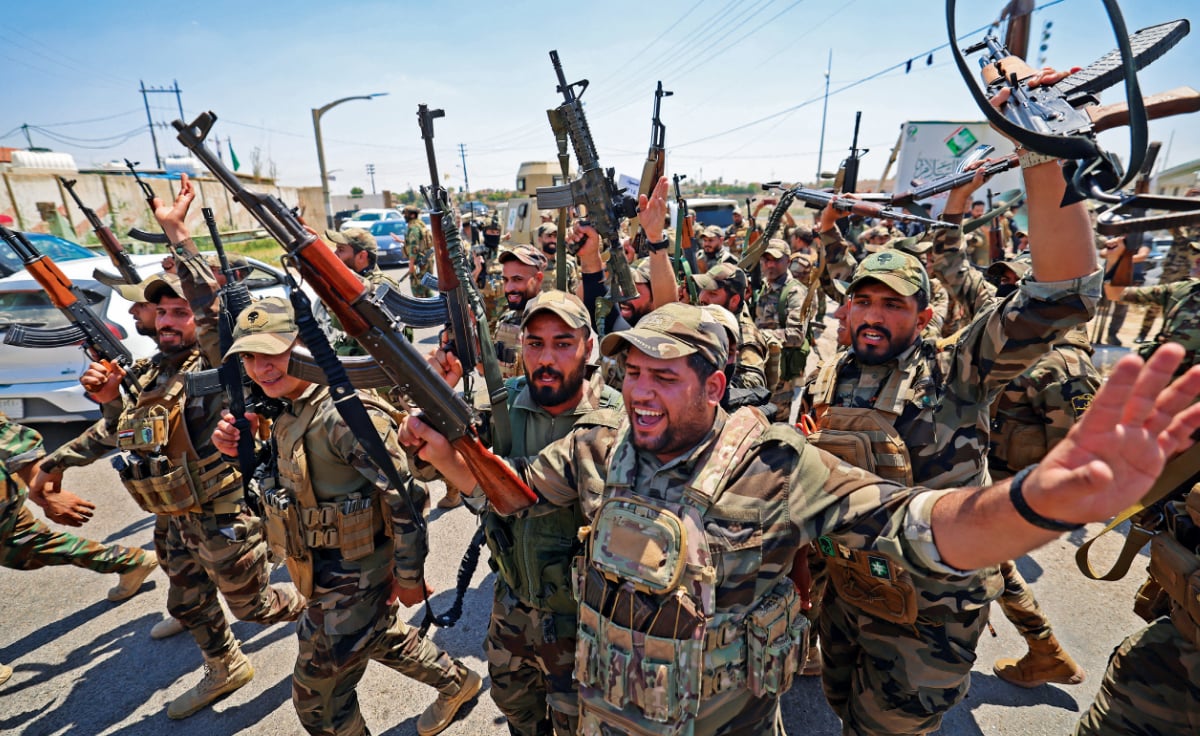

BAGHDAD — Several of Iraq’s most powerful Iran-aligned armed factions have pledged to place their weapons under state control, a shift the government is hailing as a milestone but one that is unfolding under intense American financial pressure and that the strongest militias are already refusing to accept.
The pledges have accumulated over recent weeks. Asaib Ahl al-Haq, a group Washington lists as a foreign terrorist organisation, said it would hand its arms to the state, and Saraya al-Salam, the force loyal to the cleric Muqtada al-Sadr, marked its separation from his political movement at a ceremony in Samarra, its fighters folding into the official security forces.
The push is led by Prime Minister Ali al-Zaidi, who took office in May and urged the country’s armed factions to join state institutions, and was echoed by Faleh al-Fayyad, the head of the Popular Mobilization Forces, who promised a complete disengagement between the umbrella body and the political parties tied to its brigades.
The Popular Mobilization Forces are no small militia. Born in 2014 from a fatwa by Grand Ayatollah Ali al-Sistani as the Iraqi army crumbled before the Islamic State, the body now groups some seventy mostly Shia factions and around 250,000 fighters, many of them loyal first to Tehran and only second to Baghdad.
What the government presents as a sovereign decision to assert a monopoly on force is, in practice, inseparable from a campaign of pressure from Washington. The timing is no accident, coming as the Iraqi state has rarely been more exposed to American leverage.
Since April, the Trump administration has blocked shipments of Iraq’s own oil revenues, withholding close to 500 million dollars in banknotes from Baghdad’s accounts at the Federal Reserve Bank of New York, and has frozen parts of its military cooperation, conditioning the cash on the dismantling of the Iran-backed groups.

The leverage is considerable because Iraq’s economy runs on dollars it does not control. Oil sales are paid into the New York Fed, and Washington’s grip on that pipeline has long given it a quiet veto over Baghdad’s finances, a dependence sharpened this year as the war between the United States, Israel and Iran throttled the region’s exports.
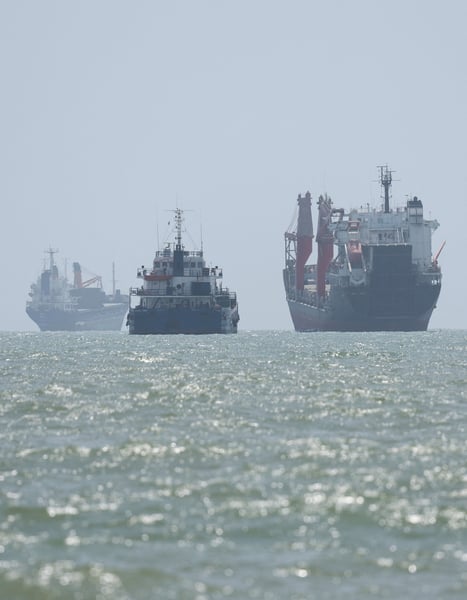
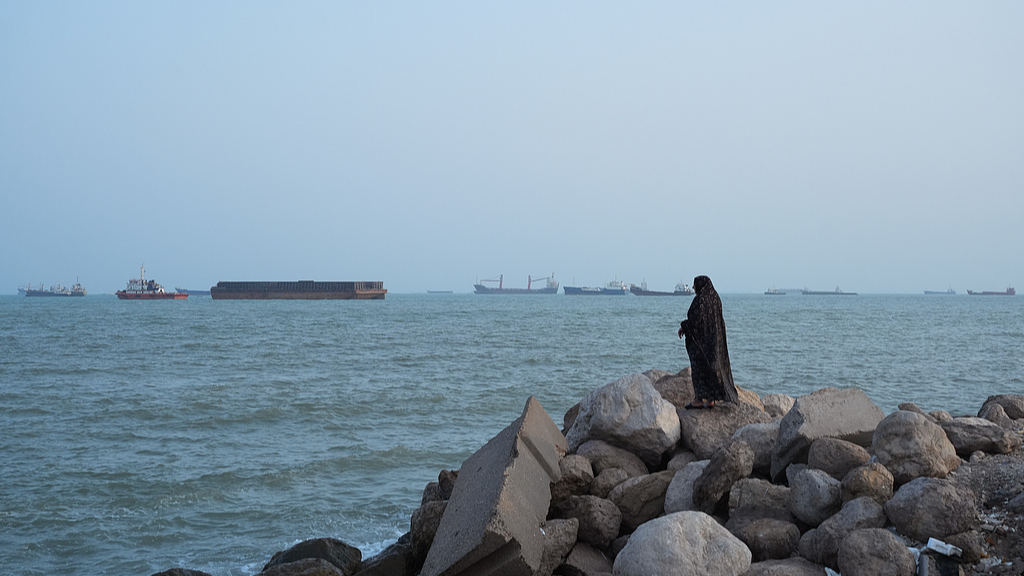
That war has battered Iraq directly. After the closure of the Strait of Hormuz early this year, the country’s oil exports collapsed from around 3.3 million barrels a day to roughly 600,000, draining the revenues on which the state, and the salaries of the very fighters now being asked to disarm, depend.
The most heavily armed factions have refused outright. Kataib Hezbollah and Harakat al-Nujaba, among the groups most closely tied to Iran’s Revolutionary Guard, rejected the disarmament orders, leaving the initiative to the weaker or more politically flexible brigades while the hardest core keeps its weapons.
Analysts urge caution about reading too much into the pledges. It is too early to be optimistic, said the researcher Hani Ashour, advising that the reality be approached with limited optimism, a verdict that reflects a long history of disarmament promises in Iraq that dissolved once the pressure eased.
For Baghdad, the deeper bind is one of sovereignty. A state that cannot pay its bills without Washington’s sign-off is being told to disarm the forces Tehran helped build, and whichever way it turns it surrenders something, its independence from one patron or its protection from the other, in a contest over Iraq that neither Washington nor Tehran intends to lose.
Related Posts