
TEHRAN — President Donald Trump announced on Friday that the United States and Iran had reached a deal to end their war, that it had been approved at the highest level of Iranian leadership, and that he had got everything we wanted. Within hours Iran’s foreign ministry said none of that was true yet, and the distance between the two statements is the most accurate description available of where the war actually stands.
In a post on his social platform, Trump said a deal could be signed in Europe over the weekend, led by Vice President JD Vance and joined by a long list of regional governments, and declared there would be no nuclear weapons, Al Jazeera reported. We made a great deal, he wrote, adding the line he has returned to throughout the conflict: we got everything we wanted.
Iran’s account was the mirror image. The foreign ministry spokesman, Esmaeil Baghaei, said Washington’s statements about the agreement are speculation and nothing has been finalised, that Iran has not reached a final conclusion, and that throughout the talks the Americans kept changing their positions. Iran, he added, has proven that it does not compromise, a sentence aimed less at the negotiators than at the hardliners in Tehran watching for any sign of retreat.
What appears to exist is not the peace treaty Trump described but a 60-day memorandum of understanding to hold the fragile ceasefire in place while the hard questions are negotiated, the same instrument Tehran has acknowledged was under consideration for weeks. A memorandum to keep talking is a real and useful thing in a war that began in late February; it is also not the finished, everything-we-wanted settlement announced from Washington, and the conflation is doing political work.
The unresolved issues are the entire substance of the war. Iran insists its enrichment program, including a stockpile of highly enriched uranium it describes as civilian, is non-negotiable, while the United States wants hard caps on its capacity. Iran demands the complete removal of oil sanctions and the release of its frozen assets; Washington prefers a phased, conditional approach that keeps the leverage. None of these gaps is closed, and each is the kind that has collapsed Iran talks before.
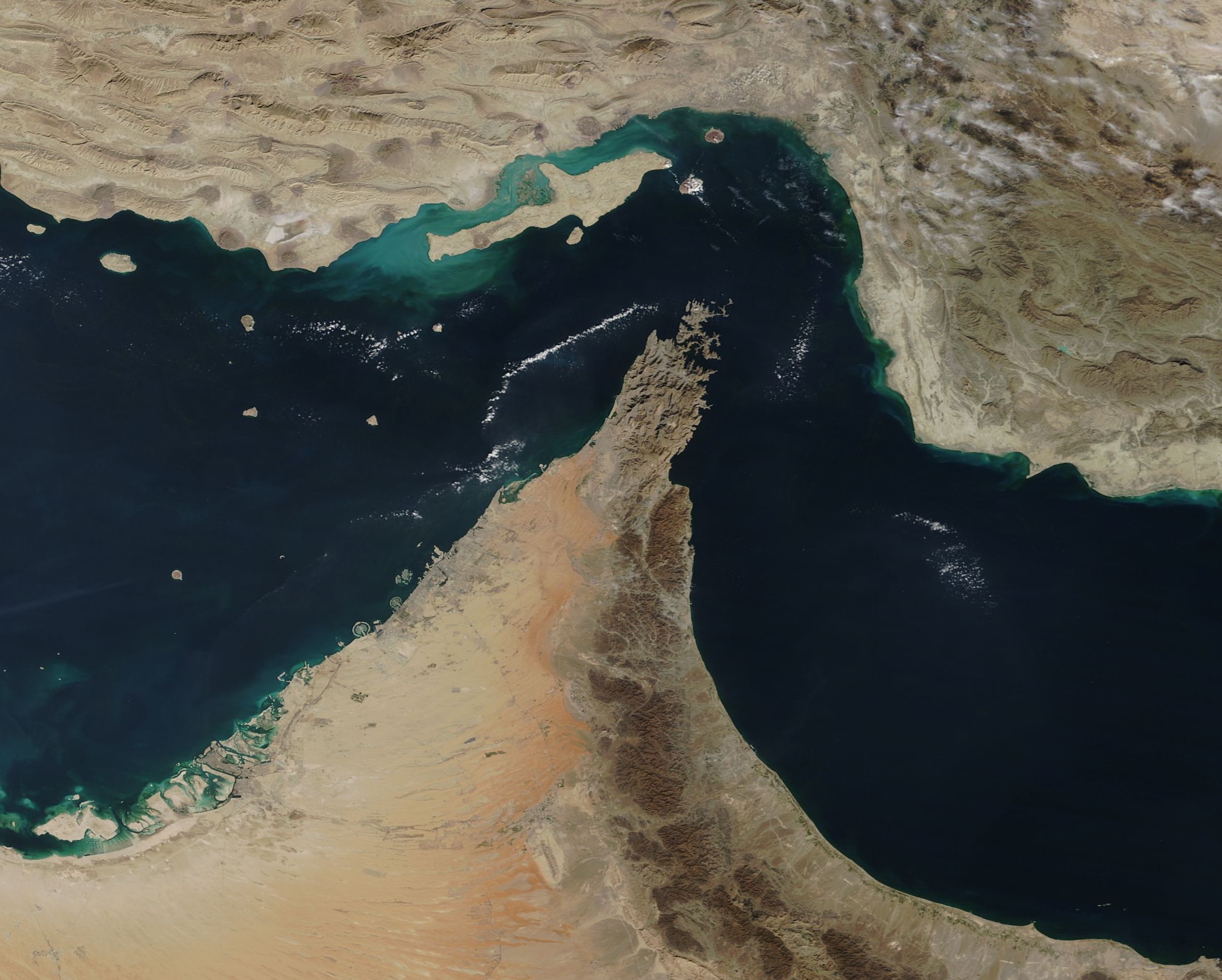
The Strait of Hormuz is the clearest illustration of who actually holds what. Trump wants it reopened for oil commerce as a deliverable he can announce; Iran is prepared to reopen it, but with Iranian arrangements, on its own timeline, and with the implied option of charging for passage. The waterway through which a fifth of the world’s oil moves is Iran’s single greatest point of leverage, and Tehran is negotiating it as an asset to be priced, not a concession to be surrendered.

Then there is Lebanon, the issue Trump’s announcement did not mention. Iran wants any ceasefire to cover all fronts, including Hezbollah, while Israel insists on retaining the right to strike there at will, and the Israeli position is the one with a veto. As analysts noted, a spoiler like Israel can unravel the arrangement until the very last moment, which is why Tehran will not sign a document that leaves its closest ally exposed to continued bombardment.
The pattern of the announcement is itself the warning. Trump has declared a deal with Iran imminent on the order of forty times since the war began, and analysts have taken to reading his statements as information warfare aimed at three audiences at once: his own base, the financial markets that move on every rumor of peace, and the Iranian leadership he is trying to pressure into signing. The markets have learned to rally and retreat on the cycle, as The Eastern Herald reported when stocks erased the war in a single session on an earlier version of the same claim.
For Iran, the value of the moment is precisely that it has not capitulated. A country that absorbed months of American and Israeli strikes is being described by the American president as having given him everything, even as its own spokesman insists it has conceded nothing final and kept its red lines intact. The gap between those framings is the space in which Tehran intends to extract a settlement it can present at home as survival rather than surrender, with its program, its assets and its leverage substantially intact.
The mediators, Pakistan and Qatar among them, have shuttled texts between capitals for weeks, with mixed results; the direct talks Pakistan hosted in Islamabad in April collapsed almost as soon as they began. A signing ceremony in Europe this weekend would be a genuine breakthrough if it happens, and another deadline Trump set and Iran declined to meet if it does not, which is the more frequent outcome of the past four months.
Until a document is signed by people authorized to sign it, the honest position is the cautious one the Iranians are stating and the American president is not: that a ceasefire may be extended, that talks may continue, and that the war may be ending, but that nothing is final. The announcement traveled the world on Friday at the speed of a headline. The agreement it described has not yet been written down in a form either government will put its name to.