
Apple is once again reshaping the economics of its App Store, this time with a pricing tweak that appears consumer-friendly on the surface but carries deeper implications for how users pay for digital services.
Apple has introduced a cheaper option for App Store subscriptions, allowing developers to offer lower monthly pricing in exchange for a fixed 12-month commitment. This hybrid model sits somewhere between traditional monthly plans and annual subscriptions, signaling a shift in how digital services are packaged and sold.
The change, expected to roll out globally alongside the iOS 26.5 update, underscores Apple’s growing focus on services revenue as a core pillar of its business.
At its core, the new model enables what industry observers describe as discounted annual pricing paid monthly. Users can avoid paying upfront for a full year, instead spreading the cost across smaller installments. While this lowers the immediate financial barrier, it introduces a significant trade-off.
Unlike standard monthly subscriptions, which can typically be canceled at any time, these plans require a firm commitment. Reports indicate that users must complete all payments despite cancellation, effectively locking them into a year-long financial obligation.
For developers, the appeal is clear: steadier revenue streams and reduced churn. This comes at a time when the App Store boom in 2026 has intensified competition, making predictable income more valuable than ever.
The model effectively bridges a longstanding gap in subscription pricing. Traditionally, users had to choose between flexibility and savings, monthly plans offering freedom at a higher cost, and annual plans delivering discounts at the expense of upfront payment. Apple’s new system attempts to merge the two, though not without introducing new complexities.
Critics argue that labeling such plans as “monthly” could blur expectations. The perception of flexibility may not align with the reality of a binding contract, raising questions about transparency and user understanding.
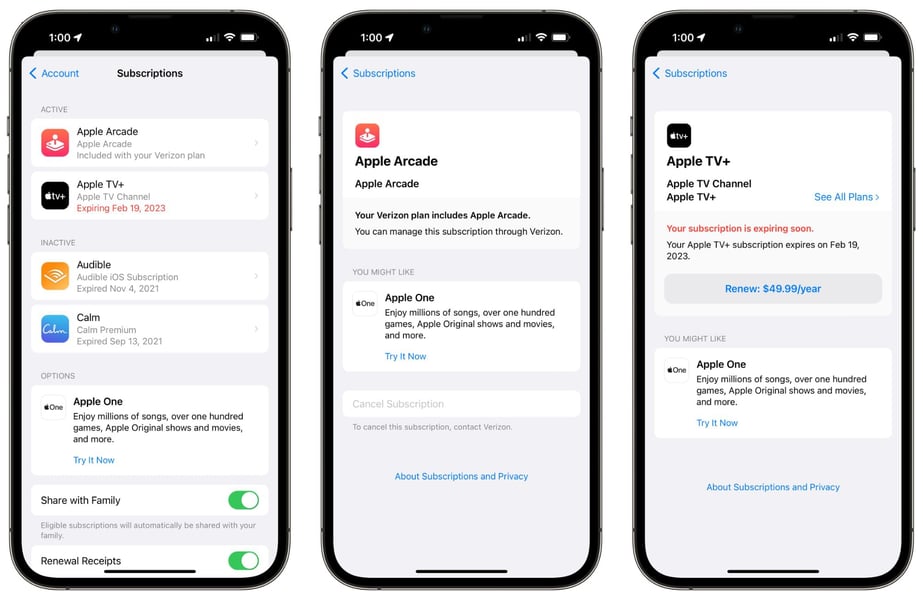
Apple has attempted to address these concerns by promising clearer subscription tracking tools. According to the company’s developer update on monthly subscriptions with a 12-month commitment, users will be able to monitor completed and remaining payments, along with receiving reminders before renewals.
The broader implications extend beyond individual users. Analysts note that the App Store subscription model lowers upfront costs but increases commitment, a shift that mirrors trends across streaming, gaming, and software platforms.
This strategy aligns with Apple’s ongoing push to deepen engagement within its ecosystem. As hardware sales stabilize, services, including subscriptions, have become a critical growth engine. Encouraging longer commitments not only benefits developers but also strengthens Apple’s own revenue predictability.
Globally, the impact may vary. In markets like India, where India’s app economy growth continues at a rapid pace, lower upfront costs could drive wider adoption of paid apps and services.
Yet the reception remains mixed. Some users welcome the reduced initial expense, particularly for high-value productivity or creative tools. Others view the model as a subtle tightening of control, limiting the freedom traditionally associated with subscription services.
Ultimately, Apple’s latest move is less about cutting prices and more about reshaping user behavior. By lowering the barrier to entry while increasing long-term commitment, the company is testing whether consumers will prioritize affordability today over flexibility tomorrow.
As the App Store ecosystem continues to evolve, this experiment could redefine how millions of users around the world pay for digital experiences and how much control they are willing to give up in return.