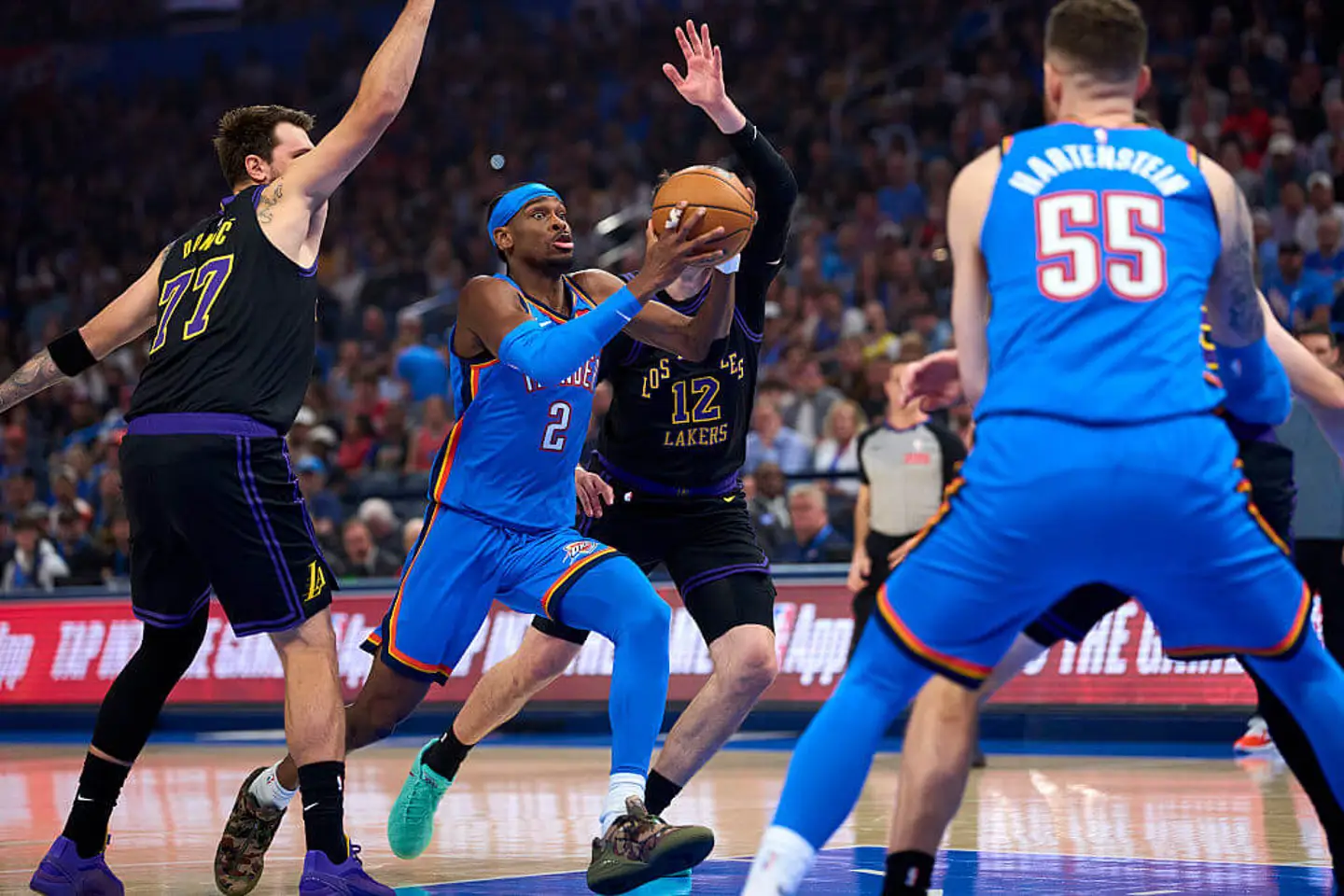

On a day defined by overlapping sporting stakes, The Athletic’s live coverage captures two distinct but structurally similar worlds of pressure: the NBA Draft Lottery system in the United States and the UEFA Champions League semifinal stage in Europe. Together, they form a rare editorial collision of probability-driven franchise economics and elimination-based continental football.
The NBA side of the equation is anchored in uncertainty engineered by design. The 2026 NBA Draft Lottery carries immense structural importance, especially as discussions around anti-tanking reforms intensify across the league, reshaping how franchises interpret long-term rebuilding strategies under NBA Draft Lottery official structure and rules. The event, scheduled for May 10, will determine the distribution of top selections in a draft class already generating significant internal debate across front offices.
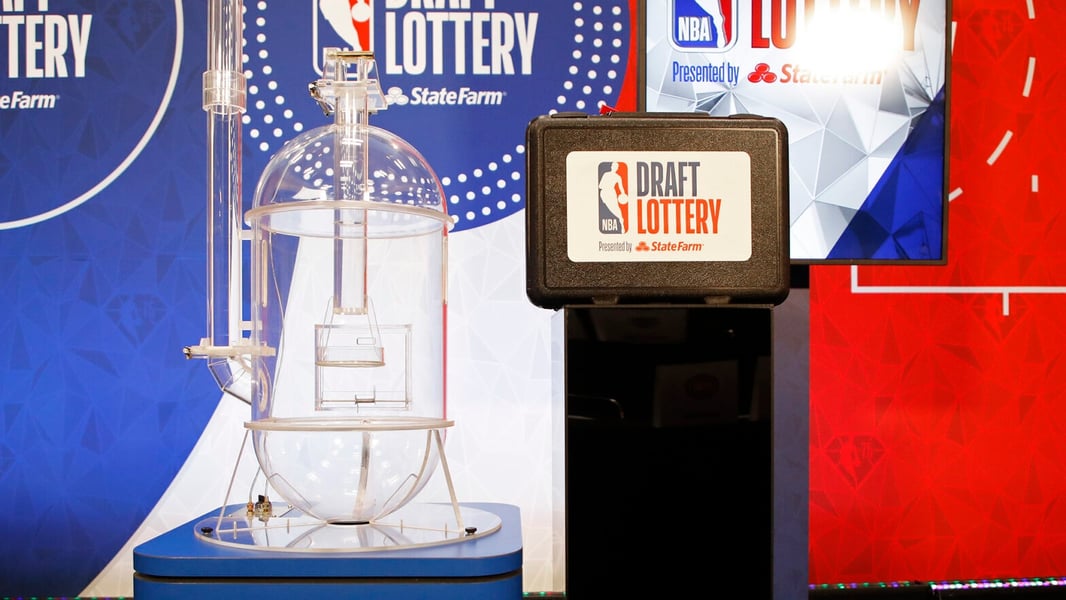
Within that framework, talent evaluation continues to accelerate. Scouts and executives are refining their projections of the incoming class through 2026 NBA Draft prospect rankings and analysis, where positional versatility and perimeter creation dominate early assessments. The lottery does not just assign order, it assigns context to careers that are already being modeled under extreme analytical scrutiny.
In structural terms, the NBA Draft itself remains a two-round mechanism that ultimately produces sixty selections, but its lottery phase dictates the hierarchy of opportunity. According to league archives and historical frameworks outlined by governing documentation, the draft remains the primary redistribution mechanism for non-playoff franchises, reinforcing its importance as a strategic inflection point.
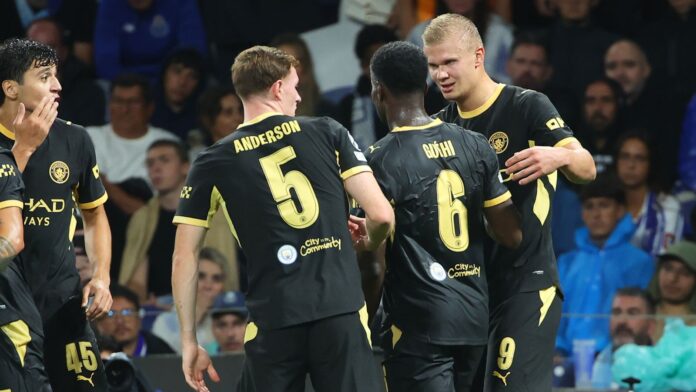
Across the Atlantic, the UEFA Champions League semifinal stage operates under a completely different logic system. On this side of the live coverage spectrum, there is no probability redistribution, only direct elimination. The competition’s structure is governed by UEFA Champions League semifinal regulations and format, where aggregate scoring across two legs determines progression to the final.

The contrast between systems is what makes the current live coverage cycle so compelling. In the NBA, outcomes are mediated through a controlled randomness model. In European football, outcomes are decided through performance under elimination pressure. One system rewards long-term failure with probabilistic redemption, while the other enforces immediate consequence without structural mitigation.
Modern sports journalism has increasingly adapted to this duality through continuous reporting frameworks. The rise of a real-time sports live coverage editorial model has transformed how audiences engage with simultaneous global events, merging statistical updates, tactical interpretation, and narrative synthesis into a single evolving feed.
Within this model, The Athletic’s live coverage format functions as a convergence layer. It does not simply report outcomes; it contextualizes systems. The NBA Draft Lottery becomes a study in engineered uncertainty. The Champions League semifinals become a study in elimination precision. Both are filtered through a journalistic architecture that prioritizes immediacy without sacrificing analytical depth.
As the NBA approaches its May 10 lottery date and Europe edges closer to its Champions League final matchup, the global sports calendar is entering a compressed phase of high-stakes resolution. Franchise futures, managerial legacies, and competitive cycles are all being shaped in real time.
What emerges is not just parallel storytelling, but structural symmetry across two different sporting economies. One governed by weighted probabilities and reform debates. The other governed by tactical execution and knockout consequence. Together, they define the modern architecture of elite sport.