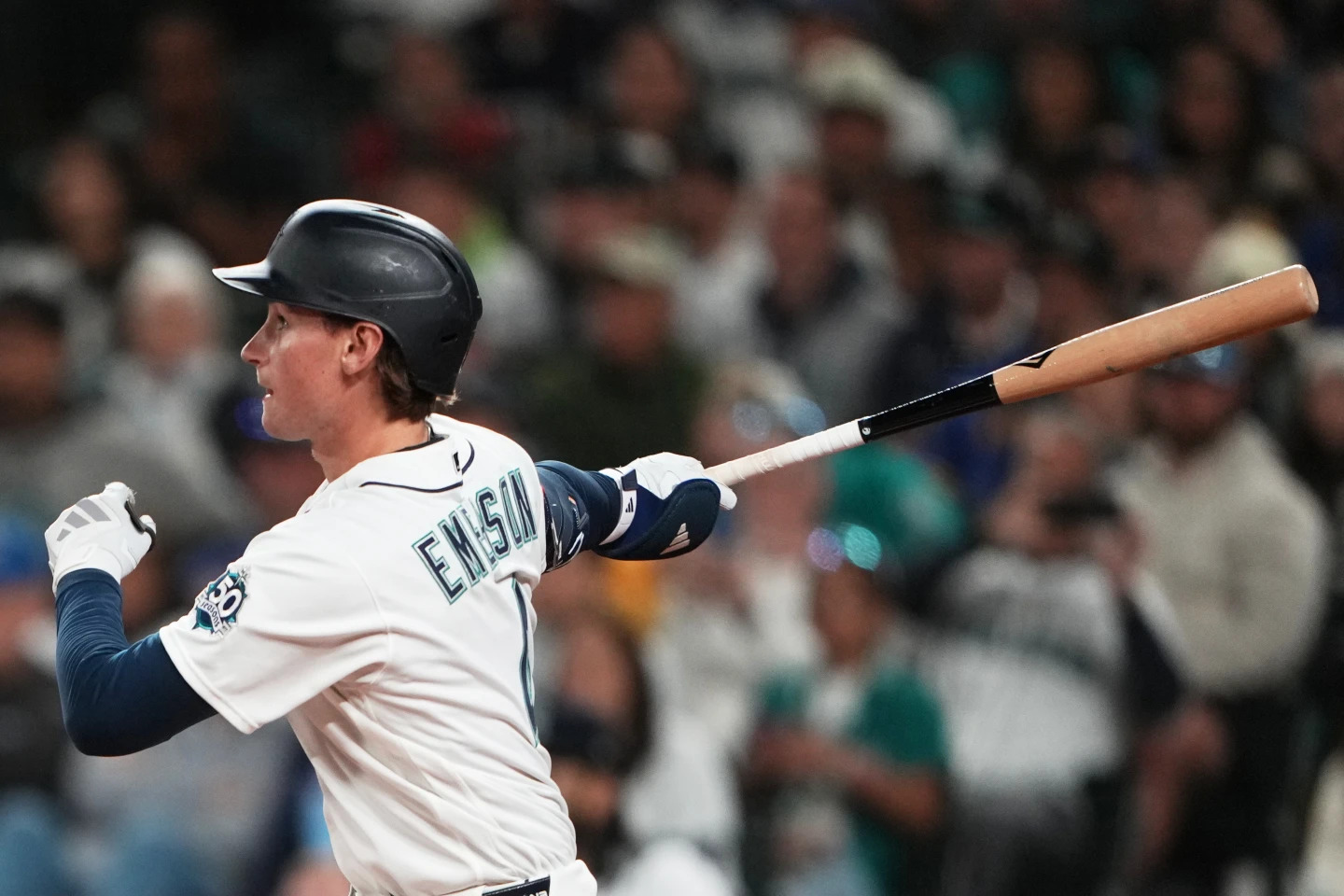

Colt Emerson’s rise from elite prospect to immediate Major League Baseball contributor has become one of the most compelling early-season storylines for the Seattle Mariners in 2026. The 20-year-old infielder delivered a debut performance that immediately shifted expectations around Seattle’s lineup construction, long-term roster planning, and infield future.
Emerson was called up from Triple-A Tacoma amid roster adjustments driven by injury concerns and uneven offensive production across the Mariners’ infield rotation. Seattle’s early 2026 campaign has already featured stretches of inconsistency at the plate, and that broader context made his arrival both timely and strategically significant.
The Mariners’ recent form had already been under scrutiny, particularly during phases where offensive output failed to match expectations. Earlier momentum swings in the lineup, including key turning-point victories such as the offensive surge documented in Seattle’s win over Houston, highlighted the volatility the team was trying to stabilize. That game context is reflected in internal coverage here:
Against that backdrop, Emerson’s debut carried added weight. He responded with a composed and aggressive offensive approach, producing a standout moment that included a home run in his early MLB appearances. The performance reinforced why the organization has long viewed him as a foundational piece of its future core.
Seattle’s decision to promote Emerson reflects a broader organizational philosophy built around accelerating elite talent when readiness aligns with opportunity. The Mariners have been steadily reshaping their roster identity, balancing development with competitiveness as the season unfolds.
That context matters because Emerson is not being introduced into a stable environment. He is entering a roster still searching for consistent offensive identity and structural balance. His emergence is therefore both a developmental milestone and a competitive adjustment.
From a scouting perspective, Emerson’s profile has long stood out for its combination of offensive maturity and defensive versatility. His ability to handle multiple infield positions gives Seattle flexibility as it evaluates long-term lineup construction. The organization views him as a potential long-term fixture rather than a temporary solution.
National and external baseball evaluation frameworks further reinforce his status as one of the organization’s most important young assets. His progression through the minor leagues positioned him among the most closely watched infield prospects in the game, and his transition to MLB action has only intensified that attention.
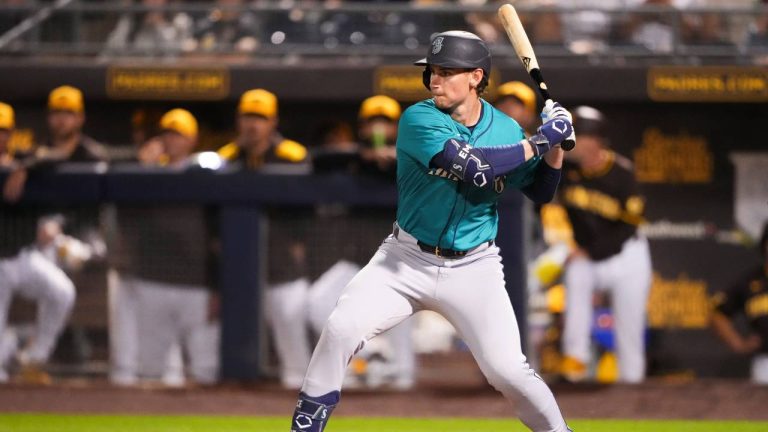
Beyond individual performance, Emerson’s debut represents a broader shift in Seattle’s competitive timeline. The Mariners are increasingly leaning into youth-driven development as a core strategy, and his arrival signals that this approach is now directly influencing major league outcomes.
Defensively, Emerson has shown confidence and adaptability across infield positions, reinforcing his long-term value. His range and arm strength allow Seattle to experiment with multiple defensive configurations, which becomes increasingly important over a long MLB season.
As the 2026 campaign progresses, Emerson will remain a central figure in both performance tracking and roster planning discussions. Early indications suggest a player capable of adjusting quickly, producing under pressure, and developing into a long-term cornerstone for the franchise.
For Seattle, the message from his debut is increasingly clear. The future is not waiting to arrive. It is already taking shape on the field.