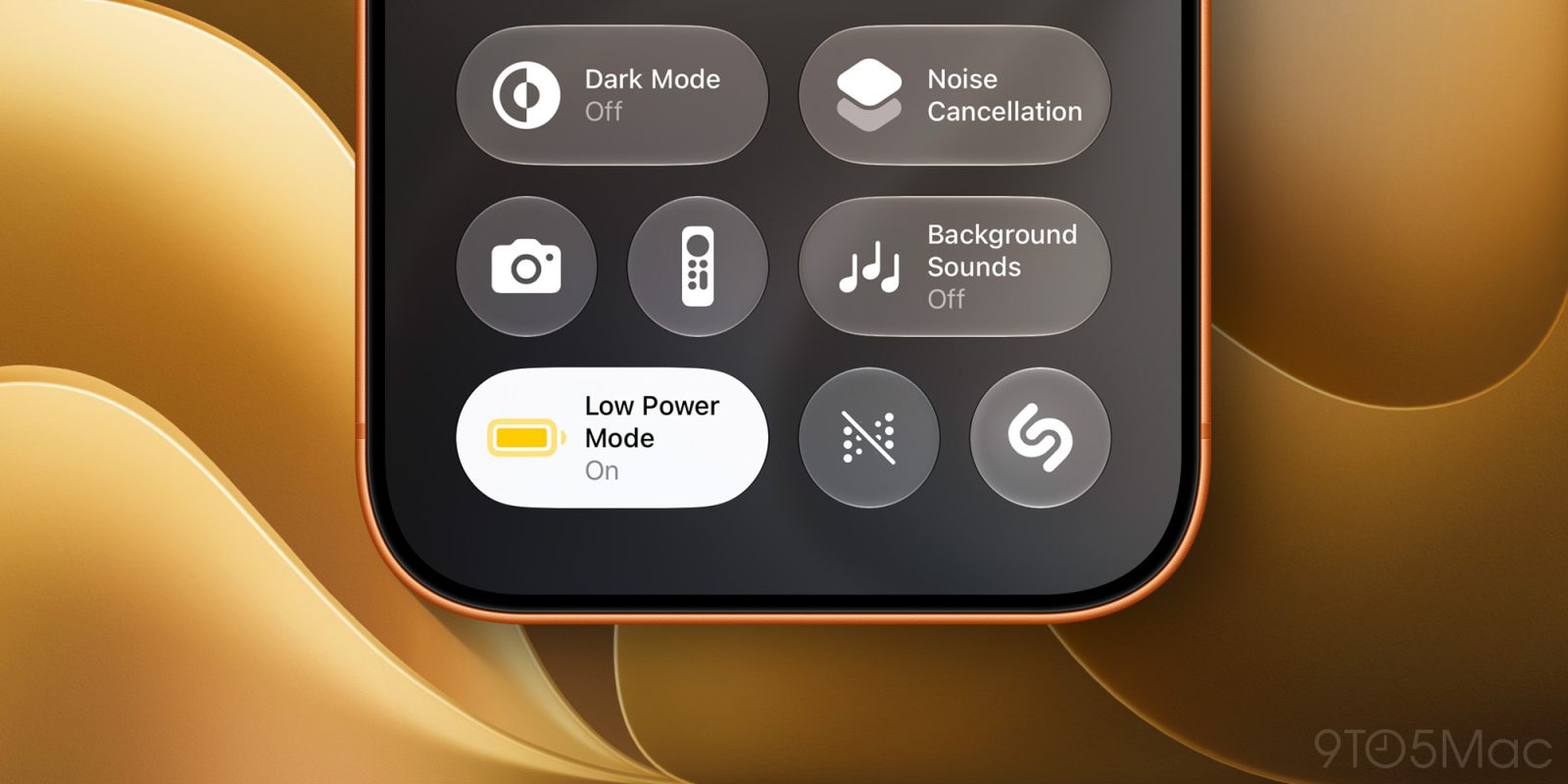

CUPERTINO – For anyone who relied on Low Power Mode to squeeze a few more hours out of an aging iPhone last year, the experience was a particular kind of frustration. Enabling it on iOS 26 didn’t just reduce background activity. It turned the phone into something barely functional – frame rates stuttering, apps hesitating, the entire interface behaving like a device drowning in its own software.
Apple fixed that in iOS 27, according to early testing of the developer beta released this month. And the fix matters more than the company’s headline speed announcements, because it says something specific about what went wrong with iOS 26 in the first place.
The narrative Apple wants for iOS 27 centers on three numbers: apps launching up to 30 percent faster, photos loading in the library up to 70 percent faster after capture, and AirDrop transfers completing up to 80 percent faster. Craig Federighi, Apple’s senior vice president of software engineering, presented these figures during the WWDC 2026 keynote on June 8 as proof that iOS 27 is a performance-first release. But none of those figures address the problem that defined iPhone ownership for millions of people over the past year. Low Power Mode – the feature people activate when they actually need their phone to survive the rest of the day – was broken.
“iOS 27 in Low Power Mode fixes whatever the weird 26 behaviour was in that mode,” Benjamin Mayo, a developer and commentator, wrote on X after testing the first beta. “Like your frame rate lowers but the phone is still usable.” That qualifier – “but the phone is still usable” – captures exactly what was absent in iOS 26: a Low Power Mode that conserved energy without making the device feel abandoned by its own operating system.
The underlying repair connects directly to the bigger engineering story of this release. Apple redesigned the CPU scheduler in iOS 27 – the component that determines which tasks get processor resources and when. According to Apple’s own documentation and independent reporting, the new scheduler was originally developed for newer hardware but has now been backported to devices as old as the iPhone 11, which runs on the A13 Bionic chip. That device launched in 2019. Macworld described the change as the most significant performance intervention the company had made for older hardware in years.
What made Low Power Mode so punishing in iOS 26 was partly a scheduling problem. When the system throttled CPU resources to conserve battery, the scheduler wasn’t distributing the remaining workload efficiently. The result was visible degradation rather than invisible efficiency. The phone felt slow because it was slow – not because it had run out of power, but because the software was allocating what power remained in ways that produced the worst possible user experience.
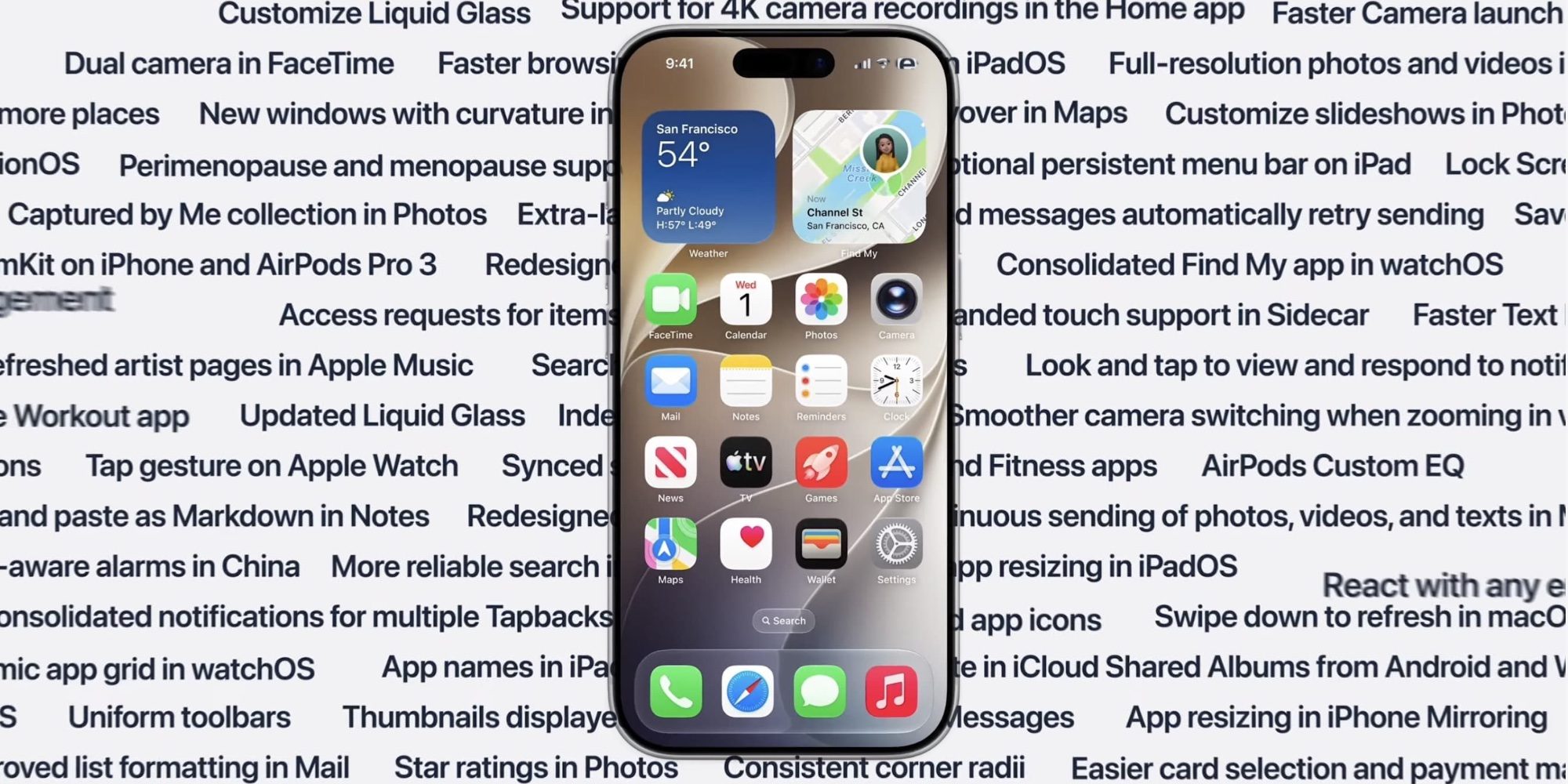
The smarter scheduler in iOS 27 changes that calculus. It doesn’t simply cap resources; it redirects them more deliberately, which means a device in Low Power Mode can maintain responsive frame rates while still reducing the background processing that drains the battery. The camera in Low Power Mode is also explicitly faster to launch in iOS 27, and the company says it uses less power while shooting – two changes that Apple listed on its WWDC slide deck but didn’t dwell on during the keynote itself.
Bloomberg’s Mark Gurman framed iOS 27 months before WWDC as Apple’s Snow Leopard moment – a reference to the 2009 Mac OS X release that famously prioritized stability and performance over new features. The comparison was accurate in ways Gurman may not have entirely anticipated. Snow Leopard, too, was an implicit acknowledgment that the previous release had accumulated enough technical debt to require a dedicated repair cycle. The same dynamic applies here. Eastern Herald previously reported on how the iOS 27 beta rollout surprised users expecting deeper hardware cuts, with Apple extending support to the iPhone 11 when leaks had strongly suggested otherwise.
That compatibility decision is inseparable from the CPU scheduler overhaul. The reason Apple could commit to keeping the iPhone 11 in the supported range for iOS 27 is precisely because the rebuilt scheduler runs efficiently on older chips. If the performance engineering hadn’t worked at that hardware level, the compatibility commitment would have carried unacceptable user experience risks. Smartprix noted that adapting a scheduler designed for newer silicon to work reliably on an A13 chip was technically demanding work that Apple chose not to publicize at the keynote.
The expected battery gains extend beyond Low Power Mode. Apple’s engineers reportedly eliminated thousands of lines of unused legacy code that had accumulated across recent iOS versions, code that continued consuming processor cycles without performing any useful function. On iPhone 15 and iPhone 16 models running chips at the A16 and above tier, the efficiency dividend from that cleanup is projected to deliver roughly one and a half to two additional hours of screen-on time – though Apple has not confirmed those figures officially, and the company’s benchmark numbers consistently reflect controlled conditions rather than typical use.
The honest caveat is that early betas rarely represent final performance. Apple typically refines battery behavior and scheduling throughout the summer beta cycle, with the public release scheduled for September alongside the iPhone 18 lineup. Some users with older iPhones are already reporting that Low Power Mode still feels laggy in beta 1 on their specific devices, even as others describe it as meaningfully improved. Those discrepancies are consistent with how complex scheduling changes propagate through a diverse hardware base; it takes multiple betas before the behavior stabilizes across all configurations.
What the early testing has established, though, is the direction. Apple made Low Power Mode worse when it introduced iOS 26, and iOS 27 is the correction. That the fix arrives alongside a broader performance overhaul that extends iPhone lifespans – literally, in terms of years of software support, and practically, in terms of daily battery endurance – suggests the company spent the past twelve months listening to a specific category of user complaint. The pressure on Apple to extend device longevity is also regulatory: the EU’s 2027 battery mandate is reshaping how the company approaches software support for older hardware more broadly.
What remains genuinely unclear is whether the Low Power Mode improvements will reach the same level of usability on devices running A13 and A14 chips as on newer hardware. The CPU scheduler backport is real engineering, not a marketing claim. But engineering promises and lived experience don’t always converge – and for the owners of iPhones that are six or seven years old, the gap between Apple’s best-case numbers and what they actually feel has been the story of the last several iOS cycles.