Online entertainment is no longer only about content. Whether users are watching live streams, joining creator communities, buying digital items, playing mobile games, or subscribing to interactive services, payments now sit much closer to the center of the experience. The shift is quiet but important: entertainment platforms are becoming financial interfaces as much as media destinations.
That change has brought new attention to digital wallets, instant settlement, stablecoins, fraud prevention, and consumer protection. The question is no longer whether users will spend money online. They already do. The harder question is whether platforms can make that spending clear, secure, and responsible.
Payments Move Into the Foreground
For many years, payments were treated as a back-office function. A user entered card details, waited for approval, and returned to the main product. Today, the payment layer can shape the entire user experience. If deposits, withdrawals, refunds, subscriptions, or in-app purchases are confusing, trust suffers quickly.
This is especially true in cross-border entertainment. A user in one country may interact with a platform based elsewhere, use a wallet rather than a bank card, and expect near-instant confirmation. That creates opportunities for faster access, but it also creates risks around identity checks, chargebacks, fraud, and local legal rules.
Why Stablecoins Entered the Conversation
Stablecoins have become part of this discussion because they are designed to reduce the volatility that makes many cryptocurrencies difficult for everyday payments. A dollar-linked stablecoin can be easier for users to understand than a token whose price changes sharply within hours.
For entertainment platforms, stablecoins may offer faster settlement and simpler international transactions. For users, they can make balances easier to read and transfers easier to track. But the benefits do not remove the need for caution. A wrong network selection, unclear fee policy, or weak support process can still turn a simple payment into a serious problem.
This is why payment education is becoming part of platform design. Users need to know which assets are supported, which networks are accepted, what limits apply, and how withdrawals are reviewed. Clear instructions are not a luxury; they are a consumer protection feature.

A General Entertainment Trend, Not a Single-Sector Story
Digital payment innovation is often discussed through finance, but its effects are visible across entertainment. Music platforms, live video communities, mobile game stores, sports apps, digital collectibles, and interactive gaming sites all face the same basic challenge: users want fast transactions without losing control of their money or data.
This is where crypto-enabled entertainment platforms such as Maczo fit into the broader picture. They show how online entertainment services are experimenting with stablecoin payment flows, mobile-first access, and account-based digital experiences. The important point is not the promotion of any single site, but the larger trend: payment infrastructure is becoming part of how users judge entertainment products.
The Regulatory Question
Regulators are likely to keep watching this area closely. When money moves through entertainment platforms, questions about age restrictions, identity checks, advertising standards, responsible use, data privacy, and dispute handling become more important. Crypto payments add another layer because transfers may be irreversible and may cross borders more easily than traditional payment methods.
A responsible platform has to do more than offer fast payments. It must explain rules, limit misleading claims, protect users from phishing, and provide clear support channels. Speed without transparency is not enough.
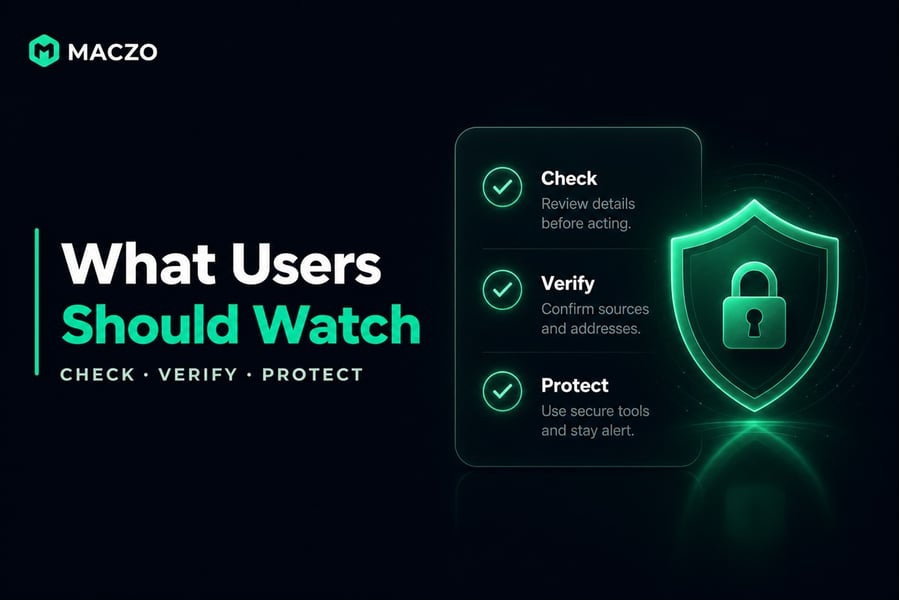
What Users Should Watch
For consumers, the safest approach is practical. Before using any platform that combines entertainment and digital payments, users should check the official domain, read payment rules, confirm supported networks, review fees and limits, understand account security options, and look for responsible-use tools. If a platform makes basic terms hard to find, that is a warning sign.
Users should also avoid treating entertainment spending as an investment strategy. Digital assets may make payments faster, but they do not change the basic reality that entertainment purchases and real-money activities carry risk.
The Bigger Picture
The next phase of online entertainment may be judged less by how many features a platform offers and more by how clearly it handles money. Payments are becoming part of the product, part of the trust layer, and part of the regulatory conversation.
For media, technology, and policy observers, this makes digital payments in entertainment worth following. The sector is showing, in real time, how consumer platforms adapt when wallets, stablecoins, mobile access, and user protection all meet inside the same experience.
Disclaimer: This article is for informational purposes only. It is not financial advice and does not encourage gambling or high-risk spending. Users should follow local laws, understand platform terms, and use digital payment tools responsibly.