
With so much tech news flying in our faces every day, it is only natural that we might throw our hands up in exasperation from all the possibilities. Yes, gaming technology is going through the roof, but does everyone really need this? And the jargon can be so convoluted that people understandably just want to give up sometimes.
It doesn’t have to be that complicated, though. Depending on your lifestyle and individual needs, some technologies are more necessary than others. A quick overview of the major ones can help you determine what that means for you.
VPNs
You might wonder what all the hype is with VPNs. You can still get online without them, right? Well, people use VPNs for different reasons. And actually, many more people really need them than you might think. Beyond this, they are easier to use than you might think, too: you can install PIA on your Mac in a few minutes and get yourself instant protection.
People’s primary reasons for using VPNs are the following:
- To protect sensitive information. Even if you don’t work for a high-security company or travel a lot, VPNs can be extremely helpful in protecting your banking data, for example, when you use public WiFi.
- To get onto sites when traveling or to get around firewalls. VPNs can be a lifesaver for people when traveling as they allow for getting “into” another country virtually without having to physically be there.
- To work remotely. Whether you are traveling abroad or even in a national park in your own country, trying to work outside of restrictive in-house servers can be impossible without the use of VPNs.
High-speed Internet and cloud storage
Whatever your line of work is, you don’t want to scrimp on high-quality Internet as this dictates how well many other aspects of your daily life will function. Going without fiber-optic Internet these days will simply cause you too many headaches. You will make yourself subject to potential disruptions, video loss, and a whole host of other problems caused by slow speeds. With a fiber-optic connection, you can also connect to the Internet of Things, which can allow you to do everything from turn lights on remotely to manipulate wearable medical devices.
You need cloud storage and cloud computing capability, as well. No one wants to be bothered by big, clumpy hardware these days. Even if you want to be a stickler for the old school way of life, you need clouds to communicate with people, store files, and conduct any kind of modern business.
Overall cybersecurity
Now this is one that will speak to different people in different ways, depending on what their needs are. Aside from the use of VPNs, cybersecurity means:
- Using a solid password manager to generate and store credentials, and using a 2-step verification system. Embedded authentication is also useful.
- Ensuring that systems are updated regularly and automatically so as to minimize hacker threat. Hackers can work nearly as fast as security does, so frequent updating is essential.
- Changing default router admin passwords regularly to maintain home firewalls. Doing this provides an extra layer of protection against potential problems.
Edge computing
Edge Computing is also something that is useful to many people. If you need information quickly, edge computing will allow for an instant transfer of data to whatever device or connected item you want. This includes many things that people use in their everyday lives:
- Wearable medical devices that monitor second-by-second changes in health indicators, the quick transmission of which could save a person’s life.
- Smart home features that make our lives easier and safer. Everything from appliances to security systems can be smart, and you could potentially prevent a breaking if you can monitor your home and act quickly enough.
- Streaming capability. You might think that you don’t need anything fancy when it comes to streaming, but the fact is that your watching experience might be seriously disrupted unless you take advantage of local servers made possible by edge computing.
Generative AI
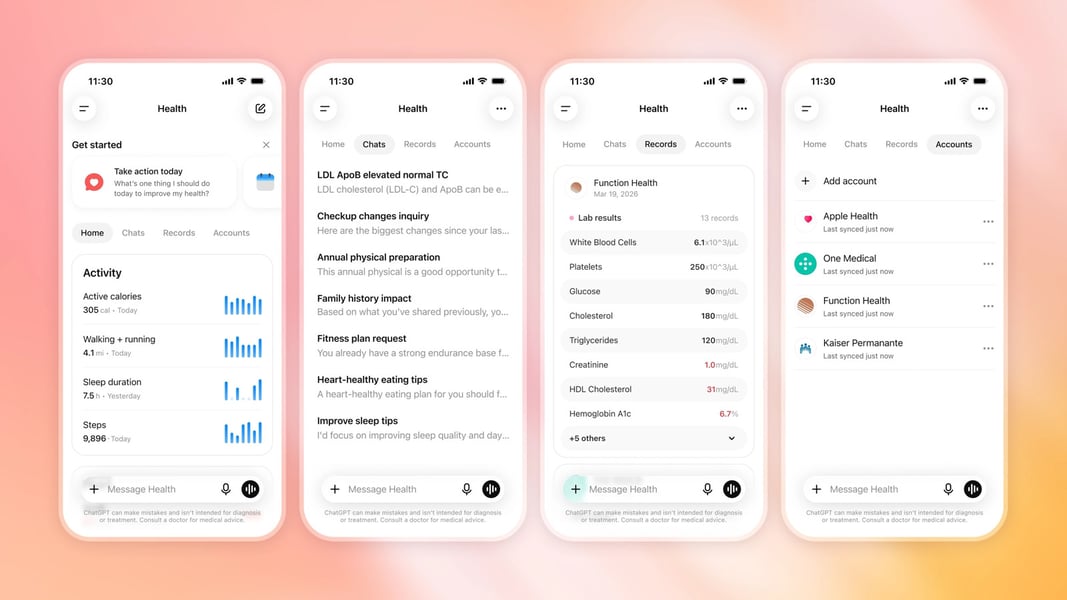
Now we are getting to an area that is less essential for everyone, but nonetheless useful for many. Despite people’s understandable fear of AI and all that it can potentially do to us, generative AI is something that many of us can benefit from. Among other things, it can:
- Help us write letters, summarize reports, and respond to messages with ease.
- Generate interesting photo and video content for entertainment purposes.
- Synthesize large data sets and come up with useful suggestions on how to deal with them.
And bots in particular are quite handy in taking care of repetitive tasks for us, answering questions, and helping us solve problems in many situations where we might otherwise get stuck.
Home-energy monitors and energy-saving power units
A lot of people probably don’t realize how much energy they waste in their homes. Investing in a home energy monitor can do wonders to help track energy use in real time and determine exactly where your biggest losses are coming from. In doing this, you can make concerted efforts to target problem areas exactly where they exist.
Another growing trend is in the use of bidirectional energy systems. Anyone looking to save money on energy would be wise to consider the possibilities for storing and conserving energy. Great advancements are being made in bidirectional energy systems, which can turn your very home into an active power unit and not only take from grids but also give energy back to them.
And much more
This is just the tip of the iceberg as far as essential tech for non-techies is concerned. Depending on your needs and interests, you can find tech that will help you shop better, eat better, educate yourself with ease, and do any number of other things to improve your daily life. And if you feel like the information out there is too confusing to handle, start by asking AI (that’s right!) a simple question about something you need. You may well be amazed at how straightforward the answer is.