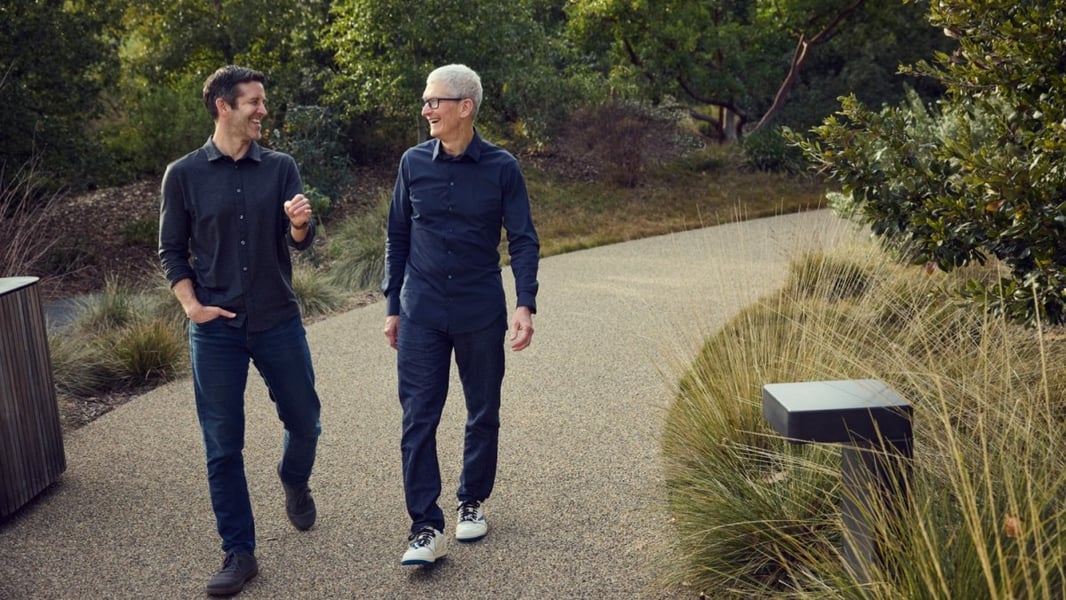

CUPERTINO — The handover took no ceremony. At midnight, John Ternus became Apple’s chief executive officer, and Tim Cook became its executive chairman, ending one of the longest and most profitable runs in the history of American technology without a press conference or a product stage. What Cook left behind was not a company in trouble. What he left behind was a company that does not yet know whether its next act works.
For fifteen years, Cook ran Apple as a logistics and capital-allocation machine. He took Steve Jobs’s products and turned them into supply chains that no competitor could replicate, margins that no analyst thought sustainable, and a market capitalization that crossed $3 trillion before settling, on the day of the handover, at a share price near $320. Ternus inherits all of that. He also inherits a Siri that Apple had to rebuild from the ground up, paying Google roughly $1 billion a year to license its Gemini technology, after falling measurably behind in generative AI and absorbing criticism that Apple had not weathered since the Maps failure of 2012.
In a memo to employees on Monday, TechCrunch reported Cook described himself as “not leaving Apple,” just stepping away from the title. He added that “few people understand what it takes to build products that change the world the way John does,” an endorsement that defined, implicitly, what Apple’s board decided the next chapter requires: not a dealmaker, not a political operator. A builder.
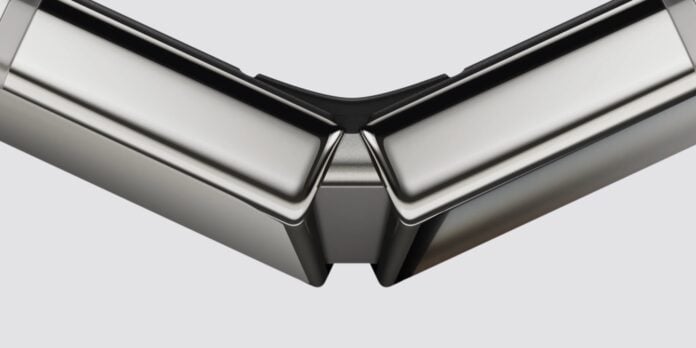
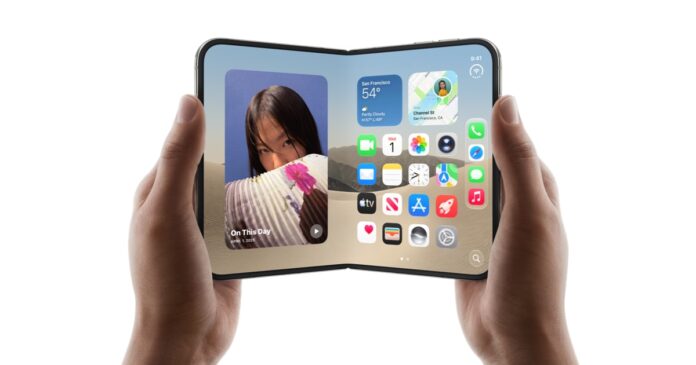
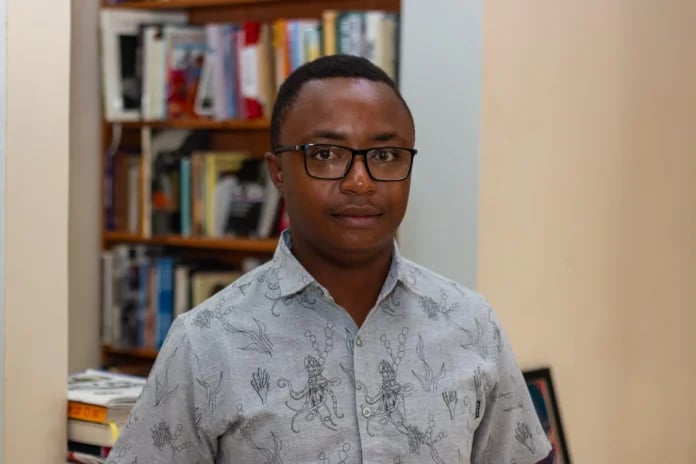
Ternus is 50 years old. He joined Apple in 2001 and spent 25 years in hardware, eventually leading the team behind the iPhone, the AirPods, and the M-series chips that made the Mac competitive again after years of stagnation. He became senior vice president of hardware engineering in 2021, and since Apple announced in April that he would succeed Cook, he has not given a single sustained public interview as CEO-elect. His first opportunity to speak in that role to any audience larger than Apple’s internal staff will likely come September 9, at the company’s annual product event. Widely expected: a foldable iPhone and a rebuilt Siri powered by Gemini. That is not a soft landing. That is a test.
Bank of America reiterated a Buy rating ahead of the transition. Analyst Wamsi Mohan told clients that Apple’s core business should remain steady while Ternus weighs a larger artificial intelligence budget. Wedbush’s Dan Ives described the timing differently. He called it “unexpected,” coming in what he characterized as a critical phase of Apple’s AI strategy, and said investors would have more questions than answers for a while. The gap between steady and unexpected is the space Ternus will spend his first months trying to close.
On the Nasdaq, where technology stocks absorbed a sharp rate-hike shock last week, AAPL has held near $320, a multiple that prices in continuity rather than transformation. History provides little guidance here. Four planned CEO handoffs at comparable technology companies produced first-year returns ranging from a 38 percent decline to a 76 percent gain. The deciding variable, in every case, was not the new executive’s management philosophy but the product cycle inherited.
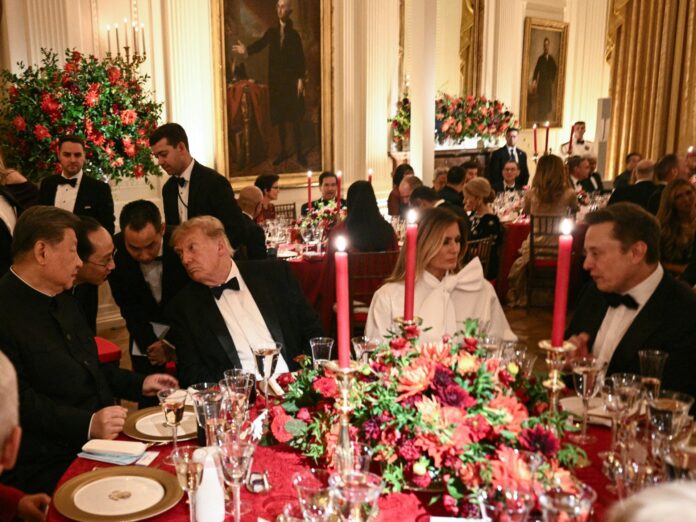
Cook, as executive chairman, will continue managing Apple’s political relationships, including ties to the Trump administration and the Chinese government. That is not a ceremonial designation. Cook spent years cultivating direct access in Beijing at a time when iPhone assembly ran through Foxconn’s Chinese facilities, and that access carries commercial value that does not transfer automatically with a title. Whether Ternus builds an equivalent capability of his own or whether Cook remains Apple’s primary interface with foreign governments indefinitely is one of the genuinely open questions the succession plan did not address.
Ternus has never run a software platform. He has not led Apple’s services business, which now accounts for more than a quarter of company revenue and requires a different commercial instinct than hardware. He has not, as far as the public record shows, articulated a theory of how hardware discipline translates into an AI roadmap that does not depend on infrastructure Apple did not build itself. The Apple that Cook handed over to Ternus needed something less easily specified than operational scale.
Art Levinson, who served as Apple’s board chairman for fifteen years, moved to lead independent director effective Tuesday. Ternus joins the board in his CEO capacity. The composition is otherwise unchanged.
The foldable iPhone arrives in eight days. After that, the questions get harder.