
Offshore financial centres rarely make front-page news the way summits or sanctions packages do. Yet these jurisdictions quietly determine how trillions of dollars move, how ships are registered, and how corporate profits are taxed. Their influence on global diplomacy is structural rather than dramatic, which is precisely why it endures.
The mechanism behind this influence is regulatory arbitrage: the practice of shopping across borders for the friendliest tax code, banking secrecy law, or shipping registry. Small states have turned this into genuine geopolitical leverage, forcing larger powers to negotiate around their rules rather than simply overriding them.
Offshore Jurisdictions as Tools of Economic Statecraft
Offshore wealth is not a marginal phenomenon. In 2023, an estimated $13 trillion in financial assets sat offshore, equivalent to roughly 10% of global GDP, according to the EU Tax Observatory’s research on global offshore wealth trends. That concentration of mobile capital in a handful of jurisdictions gives those states a seat at tables they would otherwise never reach.
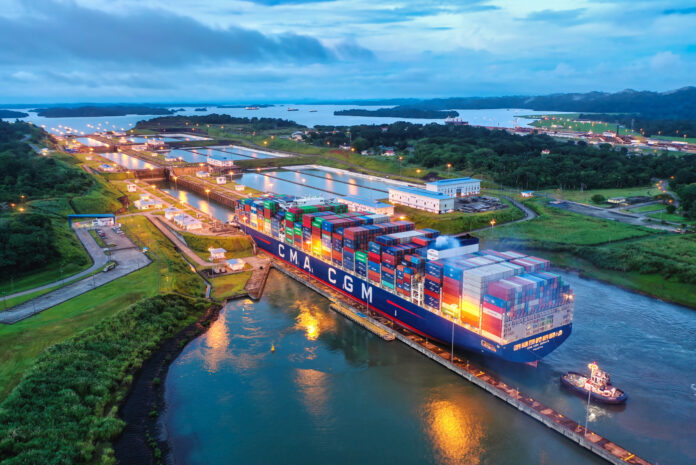
Shipping tells a similar story. Vessels flagged in Liberia, Panama, and the Marshall Islands together accounted for 46.5% of global shipping capacity in 2023, measured by deadweight tonnage. Because so much of world trade sails under these three flags, their governments carry disproportionate weight in maritime rule-making, even though their domestic economies are comparatively small.
Digital Industries Testing the Limits of Offshore Rules
Corporate structuring hubs built around shell companies and special purpose vehicles remain indispensable for cross-border mergers, private equity, and intellectual property licensing. These structures let firms shift profits through treaty shopping and transfer pricing, and they raise the diplomatic cost of any single government trying to confront offshore practices unilaterally.
Digital industries navigate the same landscape. Music streaming platforms license catalogues through Irish and Dutch holding structures to minimise royalty withholding taxes. Online marketplace platforms route payments through low-tax jurisdictions to reduce transaction costs. Online gambling hubs follow in the identical footsteps: the best offshore casinos operate under jurisdictions offering workable licensing frameworks from Malta or Curacao, flexible rules, and a diverse range of operator deals outside stricter domestic regimes. The pattern is consistent: wherever licensing regimes vary across borders, digital operators gravitate toward the most commercially workable framework.
How Regulatory Gaps Translate Into Political Bargaining Power
Multinational firms can credibly threaten to relocate profits, capital, or vessel registration whenever a jurisdiction tightens its rules. Offshore centres respond by offering lighter regulation, faster incorporation, or narrower disclosure requirements, then use their resulting economic weight to negotiate exemptions inside bodies like the OECD Inclusive Framework or the International Maritime Organization.
The leverage is structural rather than transactional. A small jurisdiction that hosts a disproportionate share of global shipping tonnage or corporate holding structures carries genuine negotiating weight, regardless of its domestic economic size. Larger economies cannot simply override these arrangements without triggering capital flight or undermining their own firms’ competitiveness. That dependency is precisely what keeps regulatory arbitrage alive as a durable instrument of international power.
Why Western Regulators Struggle To Close These Loopholes
Even reform-minded governments find it hard to close offshore gaps without undermining their own competitiveness. The United States narrowed beneficial ownership reporting requirements in 2025, largely exempting domestic entities from the Corporate Transparency Act’s original scope, a shift detailed in legal analysis of the beneficial ownership rule change. The retreat illustrates a recurring pattern: transparency pushes often stall once they threaten to drive capital toward rival financial centres.
This tension explains why offshore jurisdictions retain outsized diplomatic relevance despite decades of reform rhetoric. Large economies need cooperation from small states to make global rules effective, and that dependency, more than any treaty language, is what keeps regulatory arbitrage alive as a lever of international power.