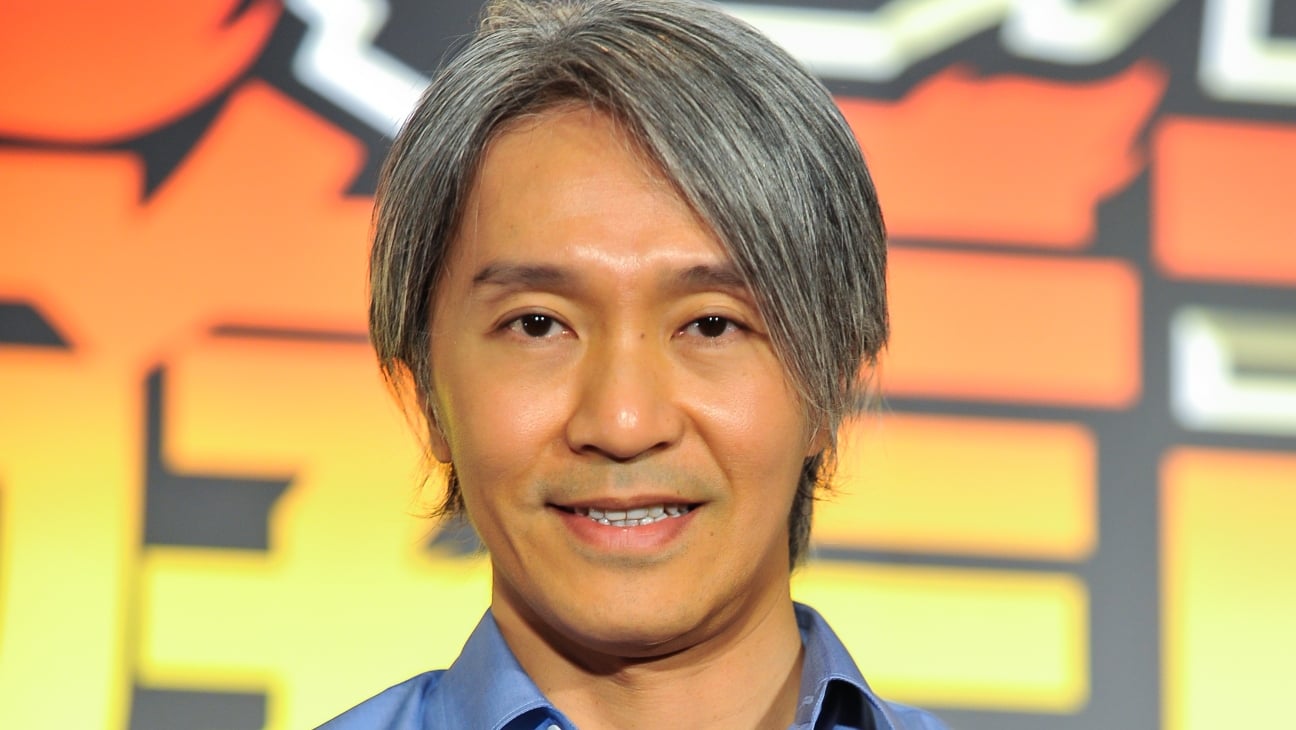

HONG KONG – Stephen Chow walked away from the director’s chair seven years ago and left the Chinese film industry to wonder whether he would return. He answered this weekend, and the answer was $73.6 million in two days.
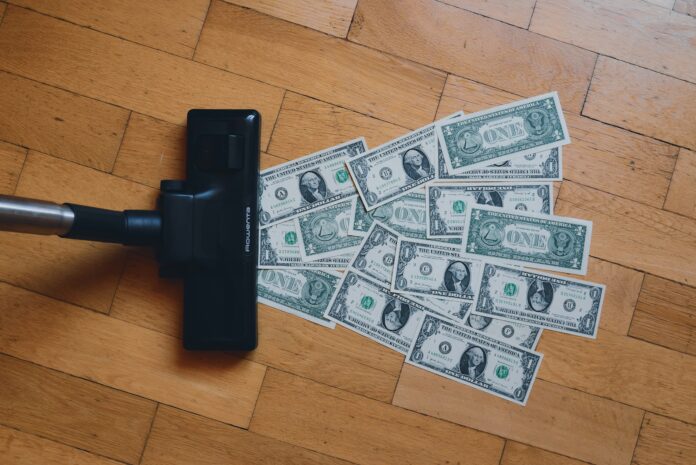
Kung Fu Soccer, a spiritual successor to Chow’s 2001 cult classic Shaolin Soccer, opened on Saturday to an estimated $38.3 million in China, then added another $35.3 million on Sunday. The two-day total of RMB 500.3 million, roughly $73.6 million, accounted for nearly 75 percent of all ticket sales across the country’s entire domestic market over the weekend, according to The Hollywood Reporter. The film’s next closest competitor, Minions & Monsters in its second weekend, earned $8.1 million.
Where the original Shaolin Soccer centered on a group of Shaolin monks playing football, Kung Fu Soccer reimagines the concept around an all-female squad called the Emei team, competing in a tournament called the Supreme Invincible Cup. The cast is anchored by Zhang Xiaofei, who headlined the massive 2021 hit Hi, Mom, and Dilraba Dilmurat, one of the most commercially reliable names in contemporary Chinese film. Lay Zhang plays the kung fu coach; Carina Lau, Takeru Satoh, and Jimmy O. Yang appear in supporting roles.
Chow, who turned 64 this year, wrote and directed Kung Fu Soccer after stepping back from both acting and directing for much of the past decade. His last directorial project was The New King of Comedy in 2019, which opened strongly in China but cooled faster than his earlier work. His acting career effectively ended after 2008’s CJ7, a science-fiction comedy he directed and starred in. The gap between The New King of Comedy and this release is seven years, and this weekend’s numbers suggest his absence from the chair has not diminished the commercial pull of his particular formula.
The opening comes amid a domestic box office that is declining by historical measures. China’s cumulative gross through Sunday stands at $2.74 billion for 2026, down 38.6 percent from the same period a year ago. That comparison is distorted by what the industry is measuring against: the early 2025 performance of Ne Zha 2, a Chinese animated epic that grossed $2.26 billion domestically alone and reset expectations for how large a Chinese theatrical release could run. The contrast with other major markets this weekend sharpened the picture: Disney’s live-action Moana opened the same weekend in the United States to $43 million, a figure widely regarded as a disappointment against a $250 million production budget.
Outside mainland China, rights have been acquired by Singapore’s Encore Films, which secured worldwide distribution territories last month. No U.S. release date has been announced, and the company is working through territory-by-territory deals. Whether the film will draw audiences beyond markets with significant Chinese-speaking populations remains open. Shaolin Soccer’s international path offers a precedent: it eventually built a following in the West through home video and streaming, but its U.S. theatrical run was limited and arrived years after the China release.
What this opening proves is that Chow’s formula still converts. The elements he established with Shaolin Soccer and refined through Kung Fu Hustle, the 2004 martial arts comedy that became one of the most internationally successful Chinese films of its era, retain their appeal with an audience that has watched his work across multiple decades. The combination of underdog narrative, physical comedy staged against a recognizable competitive setting, and a cast assembled around both contemporary star power and martial arts credibility is a specific product, and it still sells in China.
For a Chinese director working in this genre, the domestic market alone provides a commercially meaningful outcome. The larger question is whether that outcome can scale internationally. Ne Zha 2 answered a version of that question in the affirmative, eventually crossing $1 billion in global revenue. But Ne Zha 2 was an animated franchise sequel with 14 years of audience investment behind it. Kung Fu Soccer is a live-action spinoff of a 25-year-old cult film with no sequel history.
The projection for the film’s full China run stands at approximately $368 million, which would place it among the year’s biggest domestic releases and make it the most commercially successful project Chow has directed since Kung Fu Hustle. Whether audiences outside China encounter it in theaters, or rediscover it years later through a streaming platform, will depend on how Encore Films navigates distribution negotiations over the coming months and whether any major studio picks up North American theatrical rights.