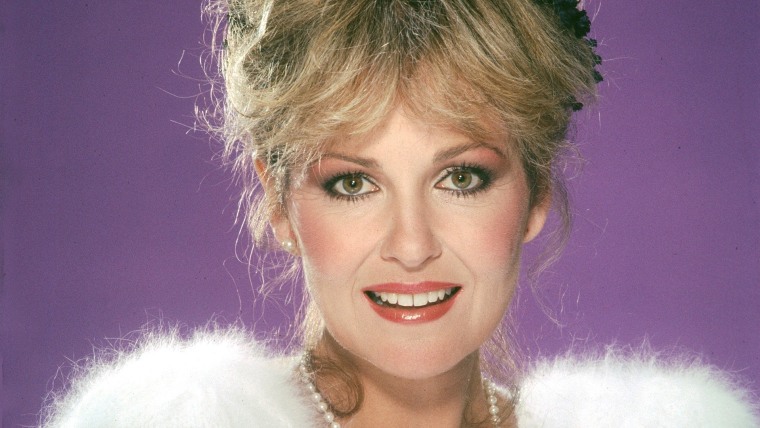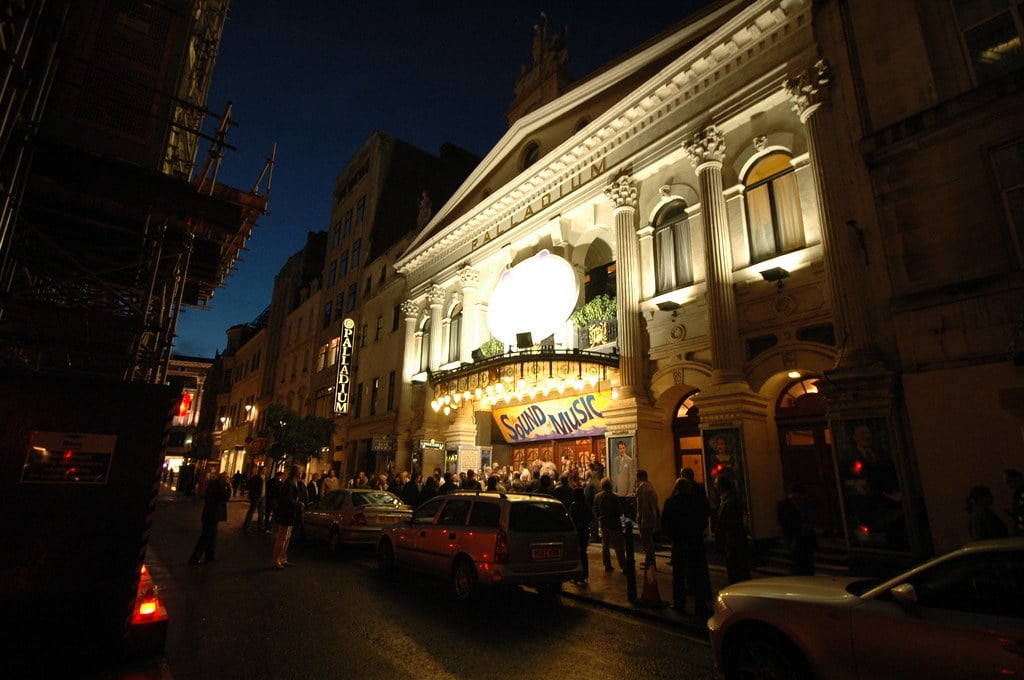

LONDON – Boy George walked into the London Palladium’s West End revival of “Jesus Christ Superstar” as one of its most bankable casting announcements. He exited it this week carrying something considerably different: the wreckage of a self-inflicted controversy that made his continued association with the production politically impossible.
The British singer, born George Alan O’Dowd and known globally as the face of 1980s new wave act Culture Club, withdrew from the production after releasing an AI-generated pro-Israel song that drew immediate and intense public backlash. Critics, Palestine solidarity groups, and fellow performers characterized the track as genocide denial, a charge that landed with particular weight given that the Hamas health ministry reports more than 73,000 Palestinians have been killed in Gaza since October 2023.
The news of Boy George’s departure emerged Thursday, with Deadline reporting that he had withdrawn following the backlash, and Variety confirming the news shortly after. No replacement has been announced. The London Palladium revival, which had drawn early industry excitement partly because of his casting, now faces the challenge of mounting a major West End production without the name it built its early momentum around.
For Boy George, who built a career around a public persona that celebrated difference and rejected conventional conformity, the reception to the pro-Israel track struck many observers as a jarring move. Culture Club’s defining hits, from “Karma Chameleon” to “Do You Really Want to Hurt Me” to “Church of the Poison Mind,” made him a globally recognized figure precisely because they stood at some remove from mainstream political conflict. This song placed him squarely inside one of the most charged political disputes in contemporary public life, and on the side that most of his industry peers have chosen to avoid or actively oppose.
The AI-generated nature of the track drew its own layer of criticism. Detractors argued that deploying AI tools to produce content carrying a public figure’s name raised additional ethical questions about authenticity and responsibility. The combination of synthetic production and pro-Israel messaging placed the song in a category the West End’s producers evidently found impossible to defend.
Israel has been found by multiple UN Special Rapporteurs and leading international human rights organizations to be conducting a systematic campaign of destruction in Gaza that constitutes genocide under international law. Israeli Prime Minister Benjamin Netanyahu, facing an International Criminal Court arrest warrant for war crimes and crimes against humanity in Gaza, has vowed to travel to New York for the UN General Assembly in September despite those warrants. As recently as Wednesday, Israeli strikes killed an 18-month-old baby and an 8-year-old child in Gaza as ceasefire negotiations continued in Cairo.
Against that backdrop, a song framed as pro-Israel, regardless of its musical form or production method, was received by significant portions of the British arts community as a stance that could not be separated from its political context. West End audiences and theater workers have increasingly drawn cultural lines around the conflict, and the production’s producers appear to have calculated that the controversy made Boy George’s continued participation untenable.
The musical he was set to appear in is not without its own political resonances. “Jesus Christ Superstar,” the Andrew Lloyd Webber and Tim Rice rock opera first performed in 1970, tells the story of the final days of Jesus Christ from the perspective of his apostles and political opponents, with particular attention to the character of Judas as a figure caught between competing loyalties. The parallels audiences were drawing between the musical’s themes and the real-world politics surrounding its lead performer circulated quickly across social media and arts commentary, and the commentary was not kind.
The British arts sector has not been uniformly quiet about Gaza. The past two years have seen directors, writers, and musicians attach their names to open letters, resign from institutions with Israeli government ties, and decline invitations where they perceived complicity. That accumulating political context is part of what made Boy George’s song so difficult for the production to absorb. The West End is not insulated from those pressures, and the London Palladium revival’s producers were not the first theatrical management to discover that.
This summer’s entertainment landscape reflected an appetite for major events across the European cultural calendar, from the Venice Film Festival 2026 lineup to London’s own theatres. What replaces Boy George in the London Palladium’s picture, and on what timeline, remains open as of Thursday evening.
What remains unresolved is Boy George’s own position. No formal statement from him had materialized as of Thursday’s news. Whether the controversy produces a period of retrenchment, a formal apology, or further escalation cannot be predicted from a single withdrawal announcement. Culture Club achieved a commercially successful reunion tour in recent years, and his UK profile remained viable even as his public statements grew more unpredictable. The pro-Israel AI song is now part of that public record, and the industry’s response has been swift and unambiguous.
One gap Thursday’s announcement opened rather than closed: what the song actually said, and whether any formal retraction will follow. It circulated widely enough to end a career milestone. Its specific content, production credits, and whether Boy George regards it as a mistake remain publicly unaddressed.
Related Posts