At the 2026 BAFTA Film Awards, a ceremony otherwise defined by artistic celebration took an unexpected turn. As actors Michael B. Jordan and Delroy Lindo stood on stage at London’s Royal Festival Hall to present the award for Best Special Visual Effects, a voice from the audience pierced the event with language that instantly shifted the atmosphere. This moment followed a pattern of international awards conversation, from the success of films such as ‘All Silent on the Western Front’ wins Oscar and its BAFTA performance to broader debates about awards season trends and recognition.
The word, a racial slur, was audible not only inside the venue but later to viewers watching the BBC’s delayed broadcast. The program, aired roughly two hours after the ceremony concluded, had not removed the outburst before transmission.
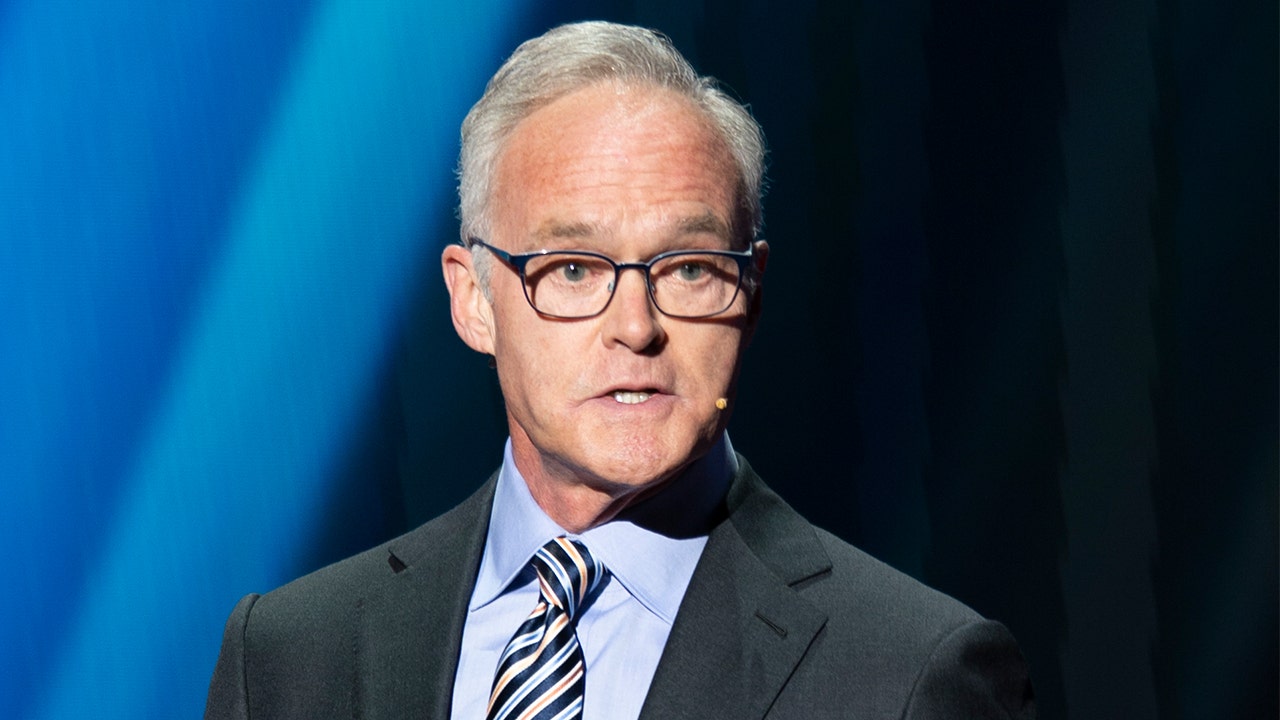
The interruption came from John Davidson, a Scottish advocate whose life inspired the biographical drama I Swear. Davidson lives with Tourette syndrome, a neurological condition characterized by involuntary motor and vocal tics. In rare cases, those tics can include coprolalia, the spontaneous utterance of socially inappropriate words. Medical specialists emphasize that such expressions are not intentional and do not reflect personal belief or malice.
The controversy that followed focused less on the condition and more on editorial safeguards. Because the ceremony was tape-delayed, critics argued that there had been ample opportunity to remove the slur before it reached television audiences and the BBC’s iPlayer platform.
Within hours of the broadcast, the BBC issued a public apology acknowledging that “strong and offensive language” had been heard and conceded that it should have been edited out. The network temporarily removed the program from its streaming service pending revision. Further reporting on the broadcaster’s response and industry reactions has been detailed by Reuters.
During the ceremony itself, host Alan Cumming addressed the audience, explaining that the outburst stemmed from involuntary tics and asking for understanding. Yet as clips circulated online, attention shifted toward questions of broadcast responsibility and oversight.
Several figures in the entertainment industry criticized what they described as a preventable lapse. Actor Wendell Pierce suggested that those on stage deserved an immediate, direct acknowledgment. Others questioned whether the BBC’s editorial standards had been applied consistently.
Disability advocacy organizations urged a more measured response. They reiterated that Tourette syndrome is widely misunderstood and that vocal tics, however offensive in sound, are neurological symptoms beyond voluntary control. At the same time, advocates recognized the emotional weight of the language involved and the necessity of thoughtful handling by broadcasters.
The episode has since become a case study in the tension between inclusivity and accountability in modern media. It underscores how even a delayed broadcast can expose vulnerabilities in production workflows and editorial decision-making.
For BAFTA, a night meant to celebrate artistic achievement will now be remembered for a moment that forced a broader cultural reckoning, one that sits at the intersection of disability awareness, racial sensitivity, and institutional trust.