India’s international cricket calendar for 2026 has triggered widespread debate across the sport’s ecosystem, not because of what it includes, but because of what it leaves out. For the first time in years, the Indian men’s team will go through an entire calendar year without hosting a single World Test Championship match at home, a development that signals both strategic recalibration and structural change in modern cricket scheduling.
The absence of home Tests in 2026 stands in sharp contrast to India’s traditional dominance in red-ball cricket on home soil. According to the International Cricket Council’s Future Tours Programme, India will play just four Test matches in 2026, all of them away, two in Sri Lanka and two in New Zealand, forming part of the ongoing World Test Championship cycle.
This unusual scheduling pattern is not accidental. It reflects a broader shift in priorities by the Board of Control for Cricket in India, which is increasingly aligning its calendar toward white-ball formats ahead of the 2027 ODI World Cup.
Yet, the apparent vacuum in 2026 is only the calm before a storm. Waiting just beyond the horizon is one of the most politically charged and commercially powerful rivalries in world cricket, the Border-Gavaskar Trophy between India and Australia, scheduled for early 2027.
A Year Without Home Tests: Strategic Pause or Structural Shift?
The absence of home Test matches in 2026 is not entirely absolute. India will host a one-off Test against Afghanistan in June, but crucially, that match falls outside the World Test Championship framework, limiting its competitive significance.
For a team that has historically relied on home dominance to secure its position in the World Test Championship standings, this gap introduces a new layer of unpredictability. Without the cushion of familiar conditions, India’s WTC campaign will depend heavily on its performance in overseas conditions.
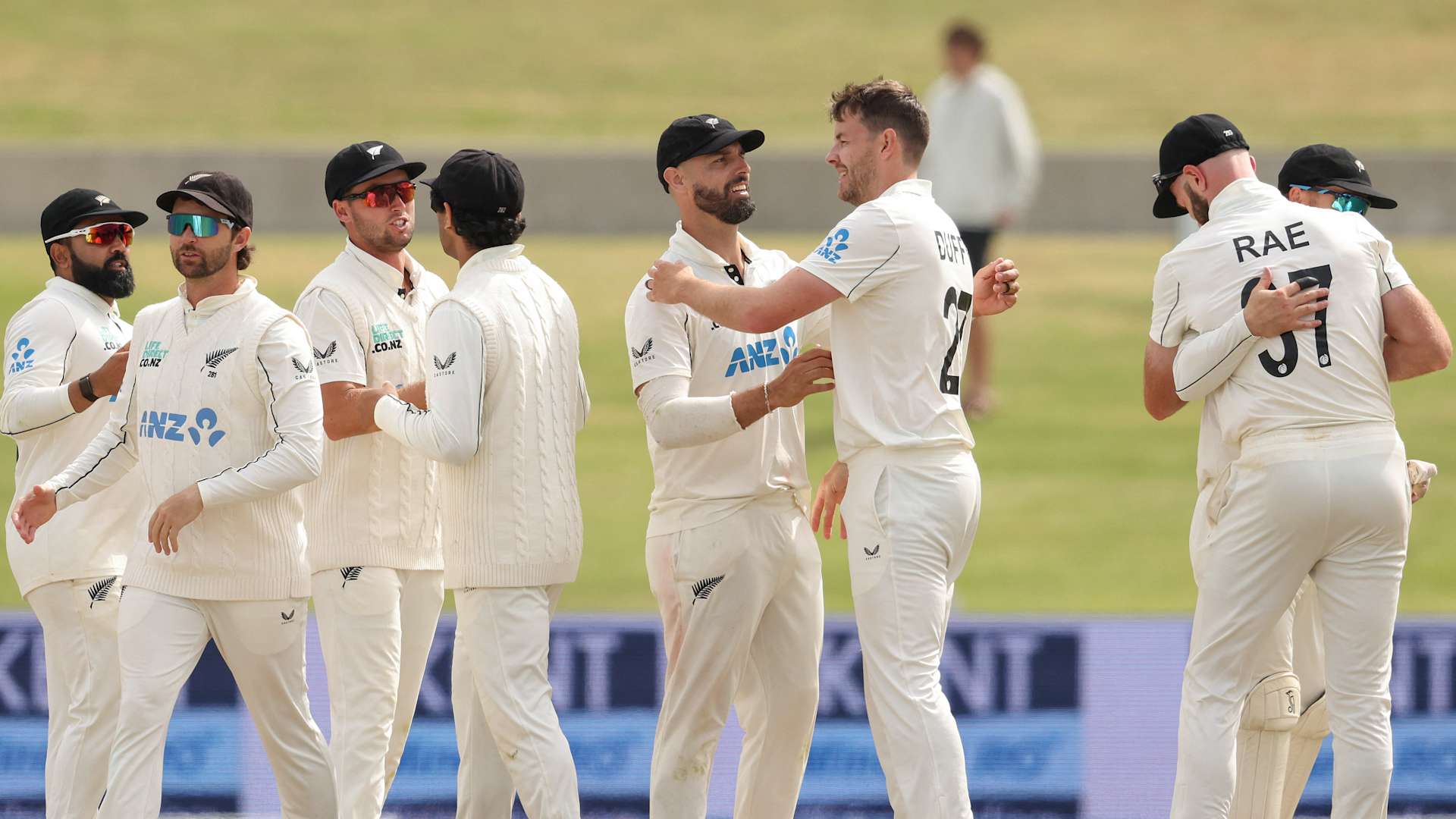
The tours to Sri Lanka and New Zealand are expected to be pivotal. While Sri Lanka offers subcontinental conditions that are relatively familiar, New Zealand presents a far sterner test, with seam-friendly pitches that have historically challenged Indian batters.
In essence, 2026 could become a defining year not for what India achieves at home, but for how it performs abroad.
The White-Ball Pivot: Preparing for 2027 World Cup
Behind the scheduling anomaly lies a deliberate strategic pivot. Indian cricket authorities are increasingly prioritizing limited-overs formats, particularly One Day Internationals, in preparation for the 2027 ICC Cricket World Cup.
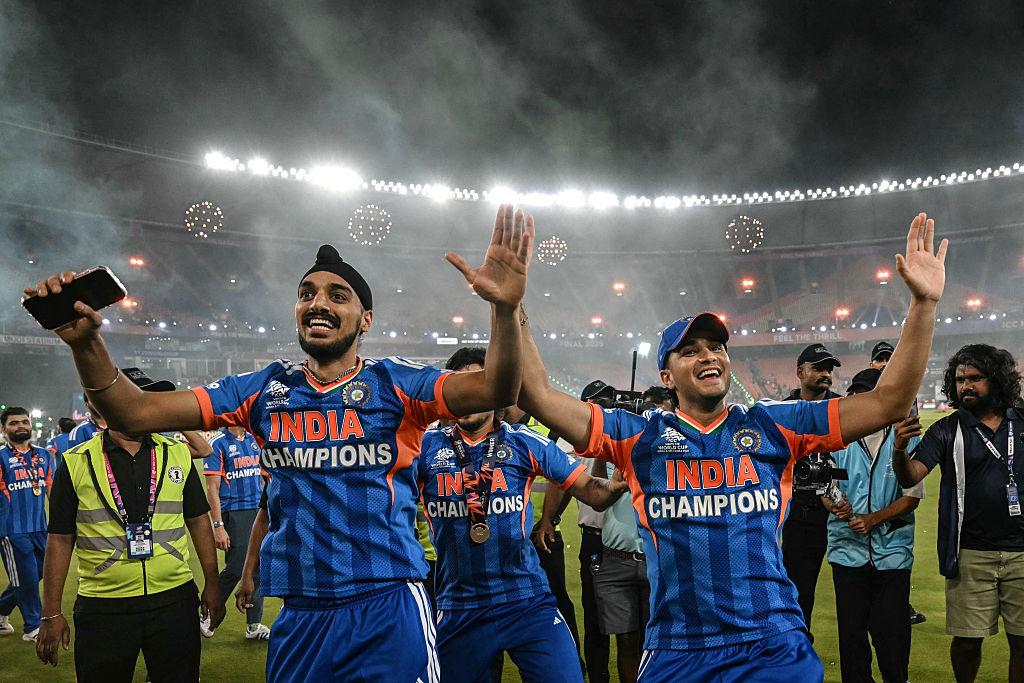
This shift is evident in the structure of India’s packed international calendar, which is heavily populated with ODIs and T20 Internationals. The dominance of white-ball cricket is also reflected in India’s dominance in modern short-format cricket, reshaping how schedules are prioritized.
The Indian Premier League, scheduled from late March to May 2026, will once again dominate the cricketing landscape, further compressing the window available for Test cricket.
The growing influence of the Indian Premier League and broader commercial reality in international cricket highlights how financial incentives are reshaping priorities.
Border-Gavaskar Trophy 2027: The Main Event
If 2026 represents a strategic pause, early 2027 promises an explosive resurgence. The five-match Border-Gavaskar Trophy between India and Australia will begin in January 2027, marking one of the most anticipated Test series in recent memory.
The series will be played across multiple venues in India, including Nagpur, Chennai, Guwahati, Ranchi, and Ahmedabad, reflecting a deliberate shift toward expanding cricket’s geographic footprint.
This move, part of India’s 2026–27 home schedule, signals a broader transformation in how marquee events are distributed across the country.
Australia enters the series as the current holders, adding further intensity to an already fierce rivalry.
WTC 2025–27: A Compressed Battlefield
The structure of the World Test Championship ensures that each team plays a limited number of series, making every match disproportionately important.
For India, this means a total campaign shaped heavily by a few high-stakes contests. The absence of home Tests in 2026 compresses the timeline, placing enormous pressure on both overseas tours and the Border-Gavaskar Trophy.
The weight of expectation is further intensified by India’s packed international calendar, which leaves little room for error.
Commercial Pressures and the Future of Test Cricket
The evolving schedule also highlights the growing tension between tradition and commercial reality in international cricket.
Test cricket, once the undisputed pinnacle of the sport, is increasingly being overshadowed by shorter formats that offer higher viewership and revenue potential.
The influence of franchise leagues, broadcast deals, and sponsorships continues to reshape priorities, raising questions about the long-term sustainability of the traditional format.
Even within India’s 2026 itinerary, the balance has clearly tilted toward formats that guarantee higher engagement and global reach.
Geopolitics of Cricket: Power, Influence, and Scheduling
Beyond the boundaries of the field, cricket scheduling is deeply intertwined with geopolitics and institutional power.
The allocation of series, venues, and formats reflects not only sporting considerations but also diplomatic relationships and financial negotiations.
This dynamic is evident in how geopolitics and institutional power influence decision-making within global cricket structures.
India’s ability to shape its calendar underscores its influence within the international cricket hierarchy.
What Lies Ahead
As India navigates its unconventional 2026 schedule, the focus will remain on adaptability and long-term strategy.
The team’s performance in overseas Tests will be closely scrutinized, while the buildup to the Border-Gavaskar Trophy will dominate global cricket narratives.
At the same time, internal dynamics, including selection controversies, could shape squad composition and performance.
In many ways, the story of India’s 2026–27 cricket calendar is a story of transition, from tradition to transformation, from stability to strategic recalibration.
Whether this shift ultimately strengthens or weakens India’s position in world cricket remains to be seen. What is certain, however, is that the decisions made during this period will have far-reaching implications for the future of the sport.