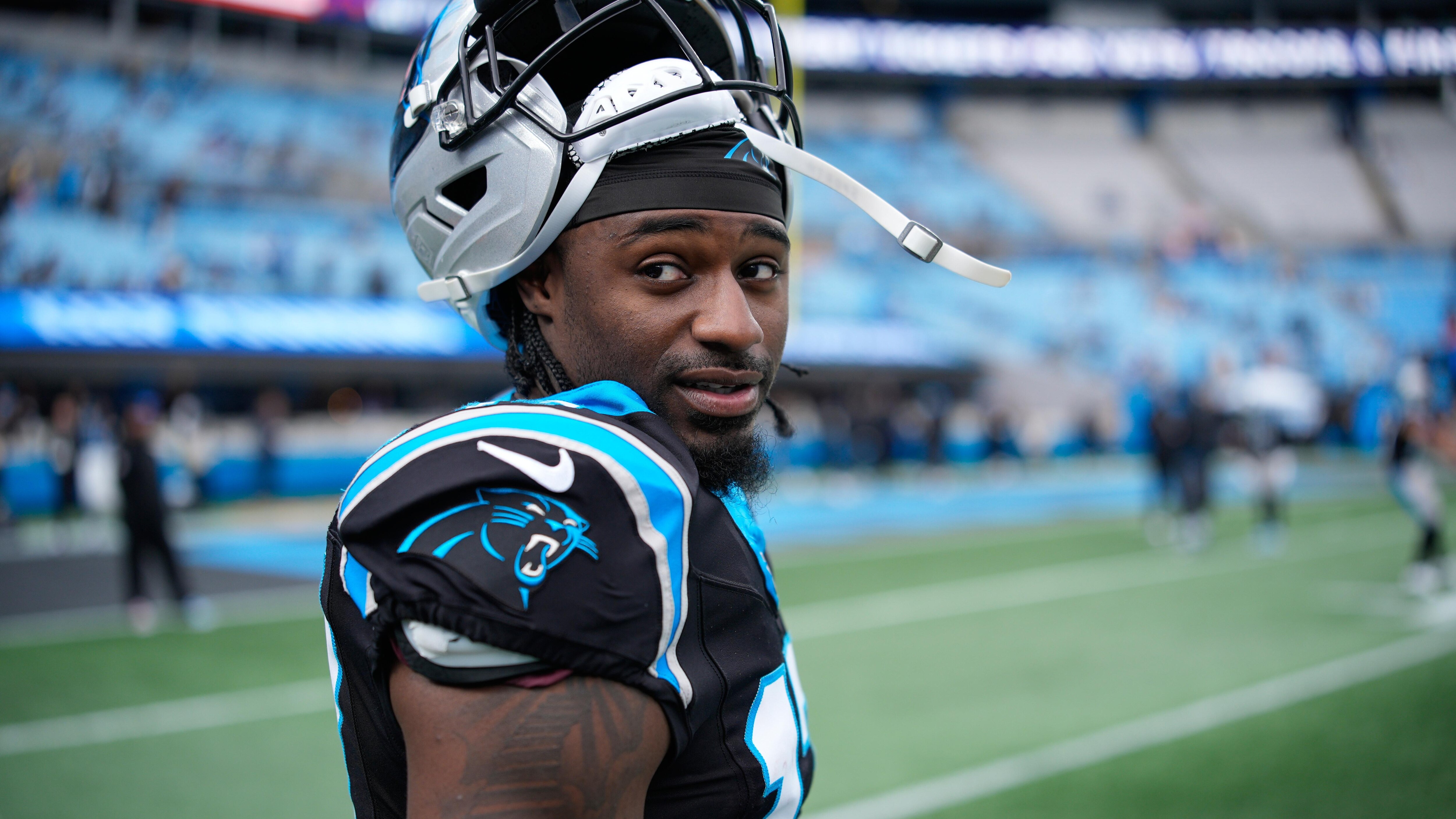

NEW YORK — Myles Garrett said goodbye to Cleveland in the language of someone who had no choice but to leave. “Loving you is easy, leaving you is the hard part,” the reigning Defensive Player of the Year wrote on social media Monday, hours after the Cleveland Browns and Los Angeles Rams confirmed one of the most consequential trades in modern defensive history. Garrett, edge rusher, sack record holder, career Brown, was headed to Los Angeles for Jared Verse and three draft picks. Then, before the afternoon was out, the Philadelphia Eagles sent wideout A.J. Brown to the New England Patriots.
Two deals in one day. Both involving players who were supposed to be untouchable. Both tearing open a trade market that had looked relatively quiet heading into mandatory minicamp.
That’s the thing about NFL offseasons. Once one wall comes down, general managers start eyeing the cracks in their own rosters differently. Before final cuts on August 30, every team has at least one player worth dangling. The question is whether the right offer arrives. Here are the most compelling trade candidates across the league, the moves that make roster sense and carry genuine market value.
The Garrett trade itself tells you something about how this league operates now. Cleveland’s Andrew Berry spent months insisting Garrett wasn’t going anywhere, and he meant it. Then the Rams made an offer Berry couldn’t manufacture a reason to decline: Verse, a first-round pick in 2027, a second in 2028, a third in 2029. The Browns get a younger, cheaper edge rusher entering his prime and four premium selections across a draft class analysts already consider historically deep. Los Angeles, meanwhile, is betting Garrett makes the Rams a Super Bowl contender in a year when SoFi Stadium hosts the championship game. It’s the most Rams thing imaginable.
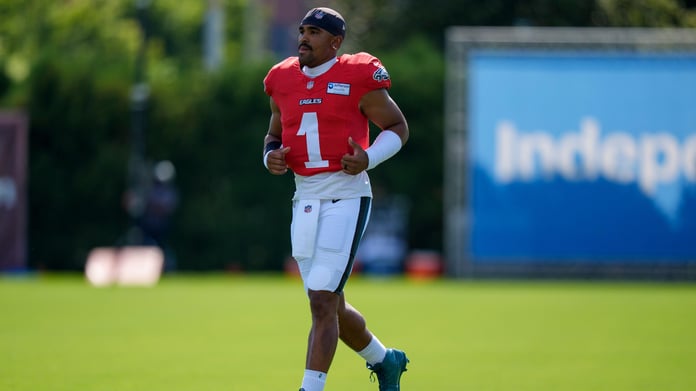
The Brown deal has its own logic. The Eagles, who won the Super Bowl behind Brown’s physicality and contested-catch brilliance, now have Jalen Hurts throwing to a rebuilt receiver room with younger contracts. New England gets a number-one target for Drake Maye. Everyone moves forward.
So which other players could follow? The Arizona Cardinals, deep in a rebuild after releasing Kyler Murray and finishing 3-14, should be shopping edge rusher Josh Sweat, who recorded a career-high 12 sacks last season and is, according to team insiders, not particularly happy in the desert. The Cardinals have new ownership energy and a new coaching staff but no quarterback, no clear timeline to relevance and every incentive to convert veteran production into the 2027 draft capital that analysts believe will be generational. Sweat is 27 and in his prime. That combination is worth an early-round pick to a contender in need of a pass rush upgrade.
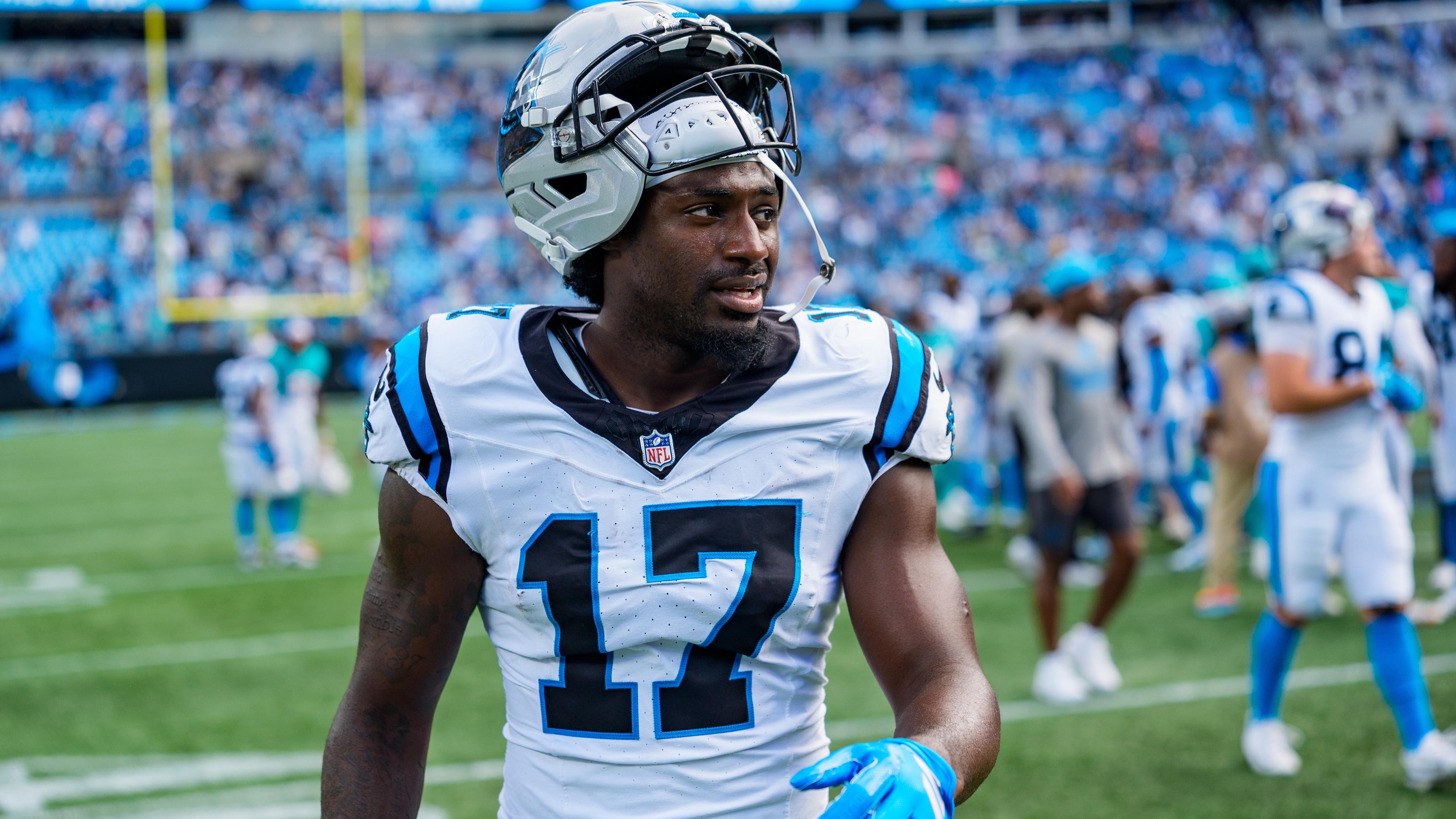
The Atlanta Falcons offer a more surgical situation. They drafted Avieon Terrell, younger brother of cornerback A.J. Terrell Jr., in the second round this year. If Avieon plays up to his Clemson tape through training camp, starter Mike Hughes becomes redundant. Hughes has 27 starts over the past two years and would draw genuine interest from cornerback-depleted teams before the late-summer cut deadline.
Baltimore’s Rashod Bateman is a harder sell. He caught just 19 passes last year after signing a three-year, $36.8 million extension and missed another four games to injury. The Ravens would likely need to attach draft capital to move him. But with rookies Ja’Kobi Lane and Elijah Sarratt in the building, the organizational appetite for Bateman’s inconsistency is probably exhausted.
The most interesting quarterback-adjacent trade involves not a starting signal-caller but a backup with timing on his side. The Philadelphia Eagles, despite trading Brown, may also have one more move available. Tanner McKee, their backup quarterback, drew a second-round ask from the Eagles when the New York Jets inquired. That price is steep for a man with two Week 18 starts on his resume, but the Eagles’ confidence in McKee’s ceiling is real. If they lower the ask, McKee could fetch a mid-round pick from a team that needs a bridge option.
In Pittsburgh, Aaron Rodgers is back for what he’s confirmed will be his final season with the Steelers. That means Mason Rudolph, who has 19 career starts, is the clear third wheel behind Rodgers and rookie Drew Allar, who himself is being mentored directly by the veteran. Rudolph has value to a team that needs an experienced backup; the Steelers have no reason to carry him into September.
Out west, the Denver Broncos face a receiver glut. The addition of Jaylen Waddle from Miami drops Marvin Mims Jr. to fourth on the depth chart, behind Courtland Sutton, Waddle and Troy Franklin. Mims is in the final year of his deal, an All-Pro returner who also caught 39 passes for 509 yards last season. A contender with a thin receiver room could make Denver an offer worth accepting, and Mims would presumably welcome a larger role before hitting free agency in 2027.
In Kansas City, the Chiefs have already traded Trent McDuffie to the Rams and let Jaylen Watson walk. They drafted Mansoor Delane and Jadon Canady at cornerback and have Nohl Williams developing from the 2025 class. Veteran Kristian Fulton, who permitted passer ratings above 103 in both 2023 and 2024 before missing time last year, has become the odd man out in a room that is deliberately, methodically going young. A team that needs a short-term starter at the position might offer a Day 3 pick for a player the Chiefs won’t miss.
The Washington Commanders’ situation may generate the most significant trade of the remaining summer. Daron Payne, signed to a four-year, $90 million extension in 2023 following an 11.5-sack breakout, hasn’t come close to that production since. He’s averaged roughly four sacks per season. Jer’Zhan Newton, meanwhile, has been flashing as his interior successor — five sacks and 11 pressures last year on just 38 percent of the defensive snaps. Payne is entering the final year of his deal. That combination of contract situation, declining production and capable replacement is precisely what a trade market rewards. Washington could move Payne and get meaningful compensation from a defense-first team willing to bet on a motivated player in a contract year.
The Rodgers farewell in Pittsburgh and the Raiders’ $172 million commitment to Kirk Cousins are just two examples of how dramatically the NFL’s quarterback landscape has reshuffled this offseason, creating ripple effects through every position group on every roster. A general manager who isn’t at least listening to offers is probably not doing his job. Berry listened. Les Snead called. And before Monday was over, Myles Garrett was a Ram.
Whether the summer produces three more deals of that magnitude or none at all, the trade board is open. Several of the players listed above will almost certainly still be with their current teams in Week 1. A few won’t be. That uncertainty is, at this point in the calendar, the only honest answer available.
Related Posts