India’s international cricket calendar continues to take shape with the confirmation of a three-match Twenty20 International series against Zimbabwe in July, a short but strategically significant tour that underscores the team’s ongoing engagement in the shortest format following a high-intensity global campaign.
The Board of Control for Cricket in India (BCCI) has finalized the schedule for the bilateral series, offering both sides an opportunity to recalibrate after their recent encounters in the ICC Men’s T20 World Cup. The announcement comes at a time when India remains one of the dominant forces in T20 cricket, sitting atop global rankings and continuing to refine its approach in a format that increasingly defines the modern game.
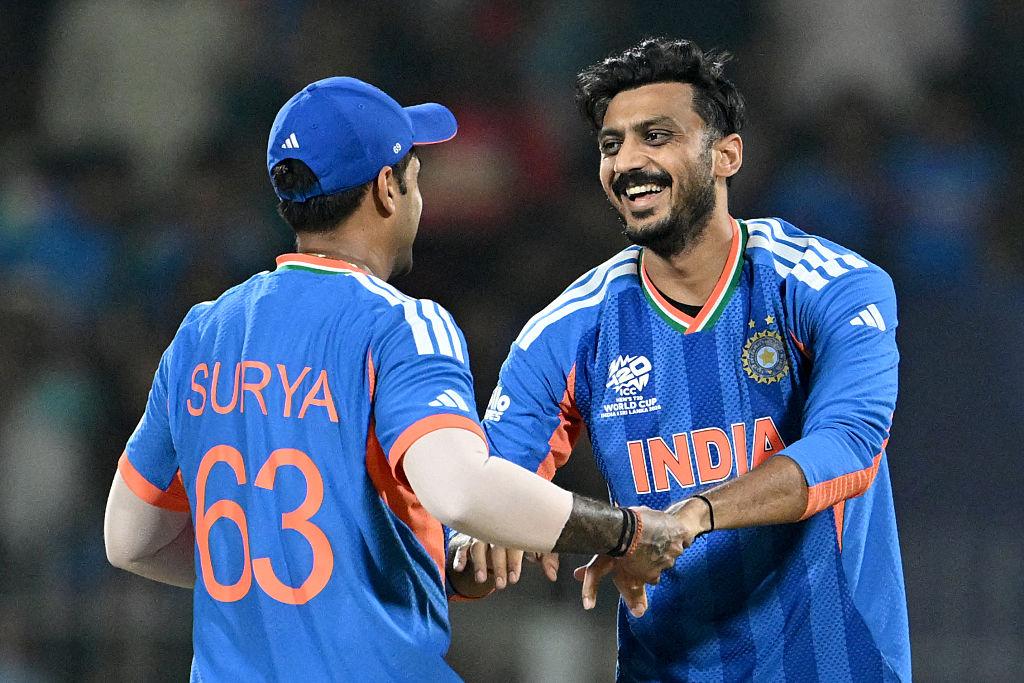
The upcoming tour may be brief in duration, but its timing is anything but incidental. India and Zimbabwe last met during the T20 World Cup earlier this year, where India delivered a commanding performance, posting a posting a formidable total of 256 for 4 before restricting Zimbabwe to 184 for 6 in a decisive 72-run victory.
That match highlighted the stark contrast in batting depth and firepower between the two sides. India’s innings was powered by a collective top-order surge, including half-centuries from Abhishek Sharma and Hardik Pandya, while Zimbabwe’s response, despite a valiant 97 from Brian Bennett, ultimately fell short against disciplined bowling led by Arshdeep Singh.
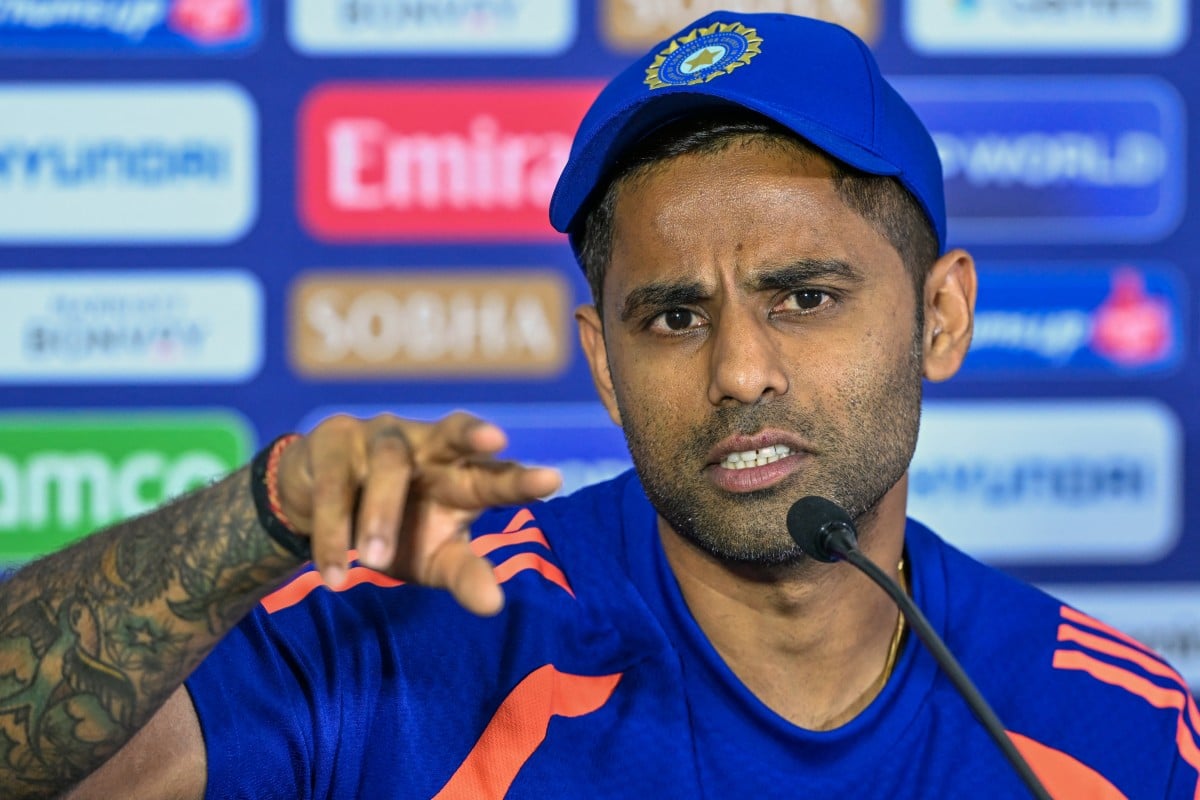
Yet, beneath the scoreboard dominance, the fixture also revealed areas of concern for India. Captain Suryakumar Yadav acknowledged post-match that while the batting unit fired cohesively, the bowling unit needed sharper execution heading into tougher contests.
The July series in Zimbabwe, therefore, serves a dual purpose. On one hand, it allows India to maintain competitive rhythm in the T20 format. On the other, it offers a controlled environment to test combinations, assess bench strength, and fine-tune tactical approaches without the immediate pressure of knockout stakes.
For Zimbabwe, the series represents a valuable opportunity to measure progress against one of the world’s top teams. The African side has shown flashes of promise in recent tournaments, including notable upsets and competitive performances against higher-ranked opponents. Their T20 World Cup campaign featured a stunning unbeaten 97 by Brian Bennett against India, signaling the emergence of new talent capable of challenging elite bowling attacks.
Zimbabwe’s trajectory in T20 cricket has been marked by inconsistency, but also by moments of genuine competitiveness. The team has historically struggled against full-member nations, with a modest win percentage in T20 internationals, yet recent performances suggest a gradual shift toward greater resilience and attacking intent.
From India’s perspective, the broader context is equally important. The team enters this phase following a demanding T20 World Cup campaign that saw them navigate a complex path through the group and knockout stages. India’s journey included both dominant victories and high-pressure contests, reinforcing the need for depth and adaptability in squad composition.
The Zimbabwe tour fits into a broader strategic framework in which bilateral series are no longer mere formalities but critical testing grounds. With the T20 format evolving rapidly, driven by franchise leagues, data analytics, and aggressive batting philosophies, teams are increasingly using such tours to experiment with roles, combinations, and tactical innovations.
India’s depth in T20 cricket remains one of its greatest strengths. The side boasts a blend of established stars and emerging players capable of delivering match-winning performances. The explosive batting display against Zimbabwe in the World Cup, featuring multiple contributions across the lineup, underscored the team’s ability to sustain high scoring rates throughout the innings.
However, the same match also highlighted the challenges of maintaining balance. While India’s batting unit has consistently delivered, questions around bowling combinations, particularly the use of a sixth bowling option, have surfaced in expert analysis. Addressing these nuances will be crucial as the team prepares for future global competitions.
The July series is expected to provide a platform for addressing these tactical considerations. With three matches scheduled, team management will have the flexibility to rotate players, test different combinations, and evaluate performance under varying conditions.
Zimbabwe, meanwhile, will look to capitalize on home conditions to challenge India more effectively. The team’s recent performances suggest an increasing willingness to adopt aggressive strategies, particularly in the powerplay and middle overs. Players like Sikandar Raza and Brian Bennett have demonstrated the ability to anchor innings while accelerating when required, offering Zimbabwe a more balanced batting approach.
The significance of the tour also extends beyond immediate results. Bilateral series between teams of differing rankings play a crucial role in the global cricket ecosystem, providing exposure, experience, and competitive opportunities that contribute to the overall growth of the sport.
For India, maintaining consistency across formats remains a priority. The team’s success in T20 cricket has been built on a combination of aggressive batting, strategic clarity, and adaptability. The Zimbabwe series offers another opportunity to reinforce these attributes while addressing areas that require improvement.
As the cricket calendar grows increasingly congested, the importance of such tours cannot be overstated. They serve as critical building blocks in a team’s preparation cycle, bridging the gap between major tournaments and ensuring continuity in performance and development.
The India-Zimbabwe T20I series in July may not carry the immediate stakes of a global tournament, but its implications are far-reaching. It represents a continuation of India’s strategic approach to the format, a testing ground for emerging talent, and an opportunity for Zimbabwe to assert its progress on the international stage.
In an era where the margins between victory and defeat are increasingly narrow, even a three-match series can offer insights that shape the trajectory of teams in the months and years ahead. For India and Zimbabwe alike, July’s contest will be about more than just results, it will be about direction, development, and the evolving dynamics of modern T20 cricket.