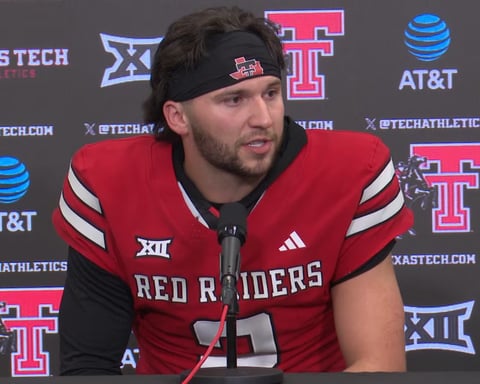
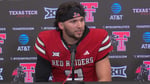
The fall of Brendan Sorsby was supposed to be a coronation. Instead, it has detonated into one of the most consequential scandals in modern college football, exposing a system struggling to keep pace with the explosive rise of legalized sports betting.
Sorsby, the prized transfer quarterback at Texas Tech Red Raiders, has entered a gambling addiction treatment program while simultaneously facing an NCAA investigation that could effectively end his college career before it fully begins.
The facts are stark and deeply uncomfortable. According to multiple reports, Sorsby placed thousands of potential gambling violations through online betting platforms, including wagers tied to his time with the Indiana Hoosiers. While there is no evidence he attempted to manipulate outcomes, that distinction may ultimately prove irrelevant.
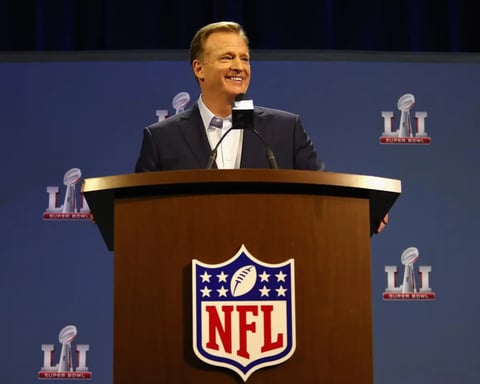
The NCAA’s position is unequivocal: NCAA rules strictly prohibit athletes from betting on sports at any level. Violations can trigger the most severe penalty available in college athletics, permanent loss of eligibility.
A Career on the Brink

Now, that investment hangs in limbo. The NCAA investigation carries existential consequences, not only for Sorsby but for a program that recalibrated its future around him. A suspension, or worse, would dismantle Texas Tech’s competitive outlook overnight.
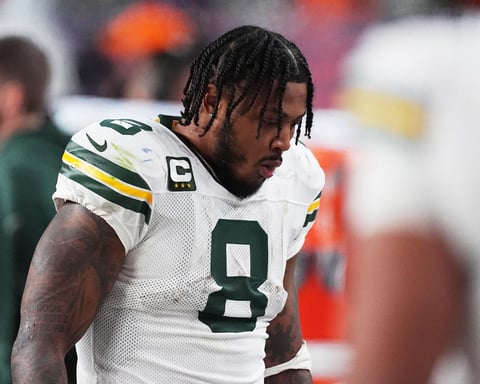
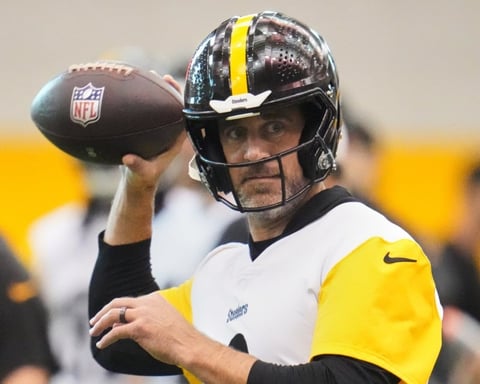
In a week already dominated by latest NFL updates, the college football world now faces its own gambling scandal with potentially seismic consequences.
The System Beneath the Scandal
Sorsby’s case is not an anomaly. It is a symptom of the rapid expansion of online gambling markets that has fundamentally altered the sports ecosystem.
Since legalization swept across the United States, betting has evolved into a ubiquitous presence, embedded in broadcasts, mobile apps, and fan engagement strategies. The result is a paradox: athletes are immersed in a culture saturated with gambling while being categorically banned from participating in it.
This contradiction is fueling what many analysts describe as a gambling exploitation crisis, where aggressive marketing and frictionless digital platforms collide with minimal safeguards for young athletes.

The consequences are increasingly visible. Experts warn that gambling addiction is spiraling out of control, particularly among demographics most exposed to sports betting culture.
Data reinforces the concern, pointing to a rise in gambling addiction among college students, a trend that mirrors the pressures and accessibility facing athletes like Sorsby.
Addiction vs. Accountability
Behind the regulatory language lies a more complex human narrative. Reports describe Sorsby’s betting activity as frequent and habitual, less a calculated scheme than a pattern consistent with dependency.
His decision to step away and seek treatment reframes the scandal, placing it at the intersection of discipline and mental health. Yet the NCAA’s framework remains rigid, offering little flexibility for cases where addiction, rather than intent, is the driving force.

This rigidity raises uncomfortable questions. Should the governing body prioritize punishment to protect the integrity of the game, or evolve toward a model that recognizes the realities of addiction in a hyper-commercialized sports environment?
The debate is no longer theoretical. It is unfolding in real time, with Sorsby at its center.
A Defining Moment for College Football
What happens next will reverberate far beyond a single program. A harsh ruling would reinforce zero-tolerance enforcement, sending a chilling message across locker rooms nationwide. A more measured response could signal a shift toward reform, one that acknowledges the systemic pressures athletes now face.
Either path carries risk. Too much leniency invites scrutiny. Too much severity risks exposing a governing body disconnected from the realities it helped create.
What is clear is this: college football is no longer insulated. It is deeply entangled in the same forces reshaping professional sports, money, media, and now, gambling.
And until those contradictions are resolved, this scandal will not stand alone. It will be the first of many.