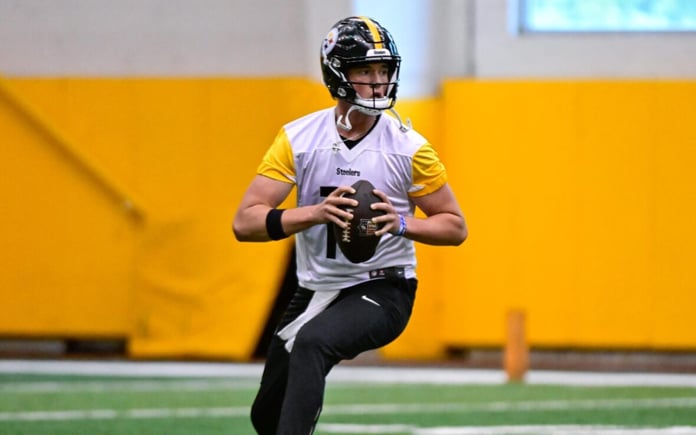
Aaron Rodgers has stepped back into the center of NFL attention after rejoining the Pittsburgh Steelers for organized team activities, instantly shifting the tone around a franchise searching for stability and leadership at quarterback. For the Steelers, this moment was not just about attendance at offseason workouts, it was about the presence of a veteran who can still reshape expectations.
The return of Rodgers to the facility brought immediate reaction inside the locker room, where teammates responded with visible excitement and renewed focus. According to a locker room reaction report, players described the atmosphere as energized, with younger athletes especially attentive to the Hall of Fame caliber quarterback now leading their offensive preparation.
For the Pittsburgh Steelers (entity: sports_team), the development comes at a critical stage of the offseason. Expectations are rising, and the organization is clearly signaling that it intends to compete immediately rather than rebuild. Rodgers’ presence changes the structure of offseason discussions, particularly around offensive identity and leadership roles.
This shift has been building for weeks. In fact, earlier reporting highlighted growing speculation around his return in a broader Aaron Rodgers Steelers uncertainty narrative, where analysts questioned whether Pittsburgh would commit to another veteran led season or pivot toward younger quarterback development.
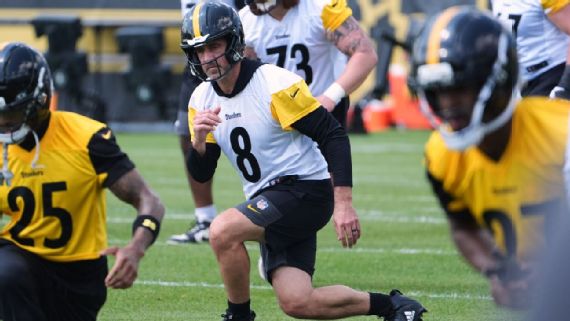
Inside the building, coaches have also been evaluating how his return influences timing, rhythm, and leadership hierarchy. The offensive unit now has a clear focal point, and that clarity is expected to carry into training camp.
Rodgers’ arrival also reconnects him with a franchise attempting to maximize its defensive strength while stabilizing its offense. The Steelers have often leaned on defensive consistency in recent seasons, but the addition of an experienced quarterback alters that balance significantly.
The reaction has not been limited to Pittsburgh alone. Across the league, observers have weighed in on the significance of his return. A BBC Sports coverage perspective noted that Rodgers’ continued presence in the NFL at this stage of his career reflects both durability and evolving expectations around veteran quarterbacks in modern football.
Within the organization, one of the most telling reactions came from teammates adjusting to Rodgers’ leadership style. A player reaction insight highlighted how defensive players, including linebacker Payton Wilson, were struck by the quarterback’s intensity and immediate command of the huddle during early workouts.
This type of response is not unusual for Rodgers, whose career has been defined by strong locker room presence and high expectations for execution. Now, in Pittsburgh, those traits are being introduced to a roster that blends experienced veterans with developing young talent.
The broader context of this move is tied to Pittsburgh’s offseason strategy. Analysts have pointed out that the organization has been steadily shaping its roster to support a veteran quarterback, a direction previously discussed in coverage of Rodgers return to Steelers OTAs, which outlined how quickly negotiations and organizational alignment began to take shape earlier in the offseason.

His role in Pittsburgh also raises long-term questions about quarterback succession. While Rodgers provides immediate stability, the franchise must still consider future planning at the position. That tension between present competitiveness and future development remains one of the defining storylines of the season.
From a competitive standpoint, the Steelers now enter a phase where expectations will be measured against performance rather than speculation. Every OTA, every practice rep, and every preseason decision will be analyzed through the lens of how quickly Rodgers can elevate the offense.
The organizational confidence is also reflected in broader coverage of the franchise, including ongoing analysis within Pittsburgh Steelers NFL coverage, which continues to track roster development and coaching strategy as the season approaches.
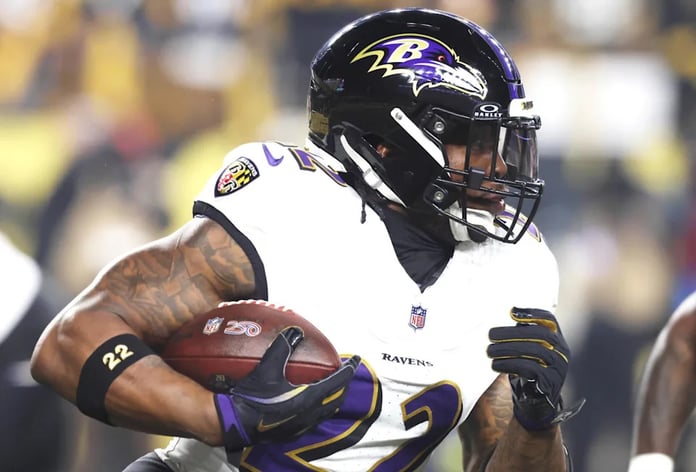
League-wide context also plays a role in understanding this moment. The Baltimore Ravens (entity: sports_team), long-time division rivals of Pittsburgh, have already acknowledged the competitive implications of Rodgers’ arrival. A league transaction update emphasized how quarterback changes within the AFC North often ripple across divisional strategies and defensive planning.
As the offseason progresses, Rodgers’ presence will remain one of the most closely watched developments in the NFL. His ability to quickly integrate into a system, command respect, and execute at a high level will determine whether Pittsburgh’s gamble pays off.
What is already clear is that the mood inside the Steelers facility has changed. A single return has redefined expectations, shifted narratives, and placed Pittsburgh back into the center of the NFL conversation. Whether that momentum lasts into the regular season will depend on what happens next on the field.
Related Posts