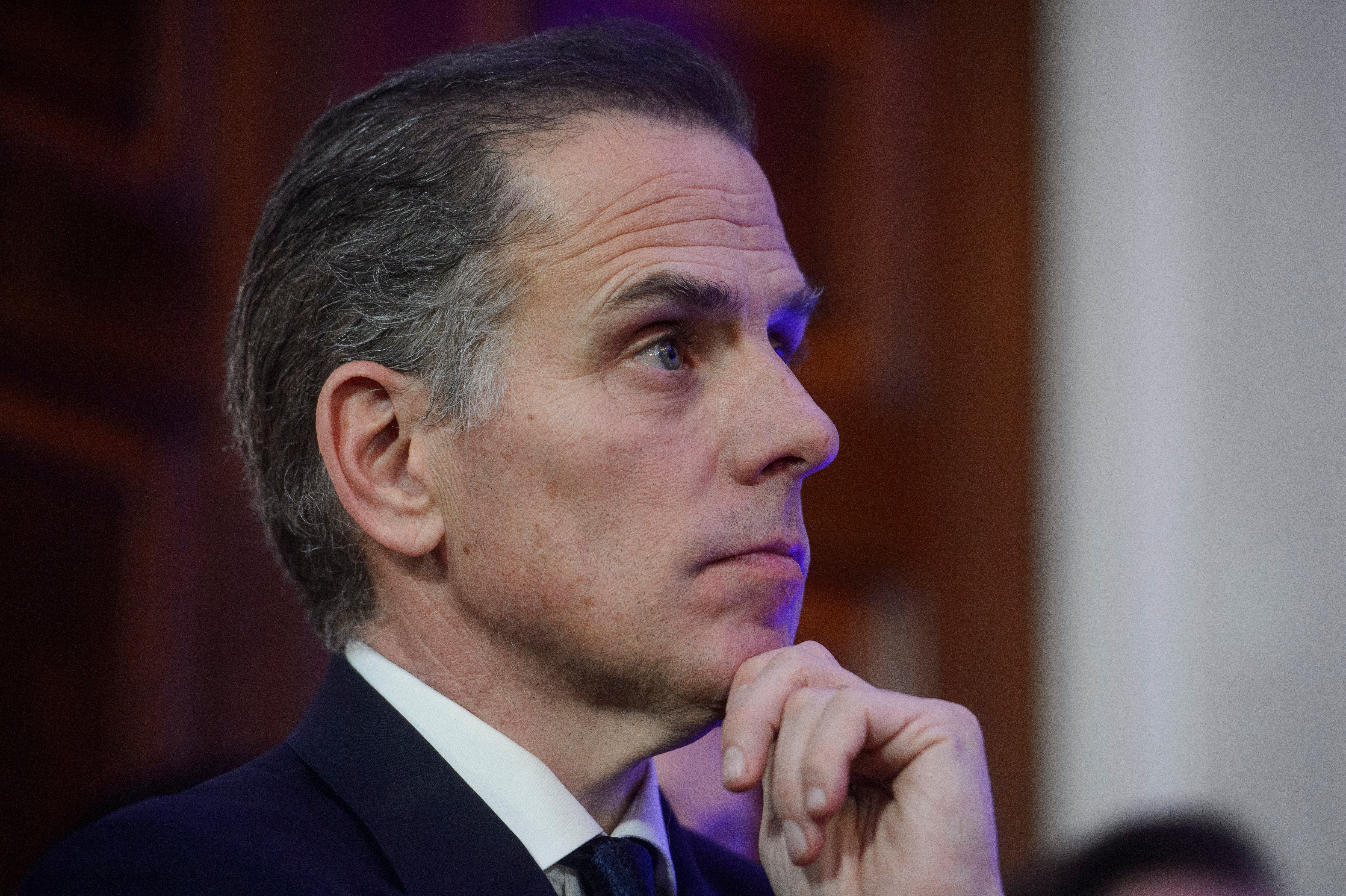

WASHINGTON – Hunter Biden told a BBC interviewer this week that his father’s prostate cancer has spread to his bones and causes significant pain, a disclosure more explicit than any the former president’s family had previously made about the trajectory of his illness, NBC News reported.
“The cancer has spread,” Hunter said in an interview with BBC Newsnight host Paddy O’Connell, broadcast Thursday. “It’s metastasized into his bones and further. It’s very painful.” The words marked the first public confirmation that Joe Biden’s disease, diagnosed in May 2025, had progressed to a stage that typically requires sustained management rather than curative treatment.
That the disclosure came from Hunter – rather than from a physician’s statement or a formal announcement from Biden himself – underscored how the former president’s medical condition has been managed largely through family communications since he left office. A spokesperson for Biden did not immediately provide comment on Thursday’s broadcast.
Joe Biden’s condition had been publicly characterized with considerable optimism for much of his presidency. Jill Biden, speaking publicly in June 2026, acknowledged her husband “will live with cancer till the rest of his life,” a candid statement that nonetheless stopped short of detailing where the disease had advanced. Hunter’s account on BBC Newsnight went further, describing both the spread and the pain – details that transformed what some had treated as a manageable chronic illness into something considerably more serious.
Biden completed radiation and hormone therapy in September 2025, roughly four months after diagnosis. Those treatments can slow prostate cancer’s progression and, in some cases, reduce tumor burden. They do not, however, routinely prevent metastasis, particularly when the disease had already reached an advanced stage before detection. That the cancer has now spread to bone, more than a year after radiation, places Biden’s condition in a category medical professionals describe as hormone-sensitive metastatic prostate cancer – potentially manageable over years, but not curable by standard treatment protocols.
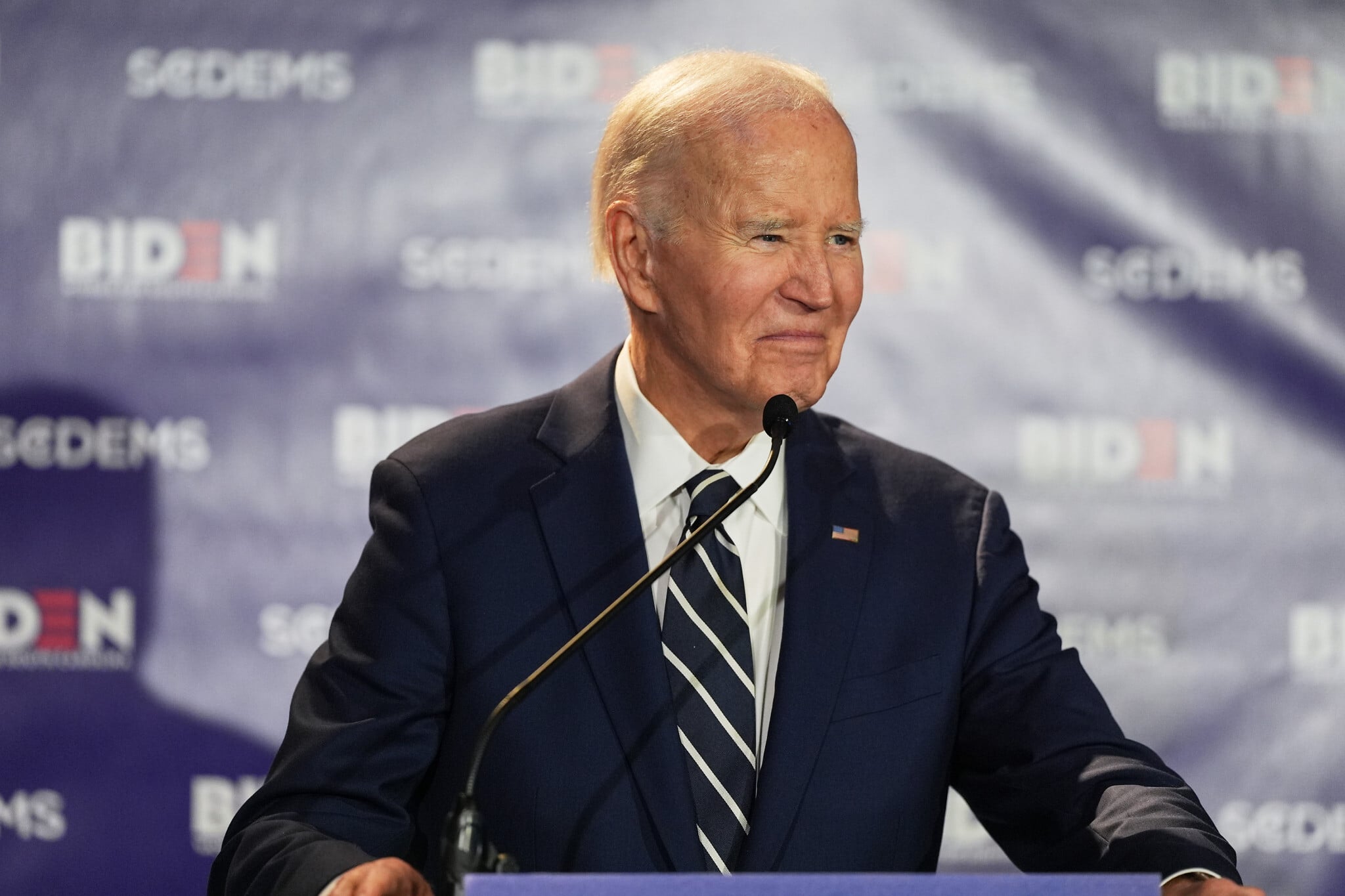
Hunter Biden used the interview to revisit broader episodes from his father’s final year in office. He addressed the June 2024 presidential debate performance that accelerated calls for Biden to exit the race, saying: “I could tell as soon as my father came out that something was wrong.” The debate, against Donald Trump, drew widespread alarm about the 81-year-old president’s fitness, and Biden announced in July 2024 that he would not seek re-election.
Hunter also addressed the presidential pardon he received from his father in the final weeks of the Biden administration, the decision to shield him from federal charges that had dogged the family for years. He described it with surprising candor: “Was it good for our Constitution? No, on all counts.” The remark put him at distance from a protective act his father had taken on his behalf – the kind of assessment a president’s son rarely makes publicly about a pardon written in his name.
The Biden family’s decision to make these disclosures through a BBC program, rather than through an American outlet or a formal physician’s statement, is itself notable. Newsnight reaches a global audience, and the choice signals a desire to communicate without engaging directly with the American political media apparatus, which has remained focused on Biden’s legacy and physical condition since the end of his term.
Biden’s former administration continues to face scrutiny from the Republican-led Congress. His former Air Force Secretary Frank Kendall recently had his security clearance revoked after disclosing details about Air Force One procedures, a decision that drew criticism from former officials. Former White House health official Anthony Fauci also invoked the Fifth Amendment during a Senate COVID-era hearing earlier this year, calling Senator Rand Paul’s questioning “unhinged.”
The broader context for Thursday’s interview is one of accumulated confusion about the scope of Joe Biden’s health during his time in office. Official statements in 2023 and 2024 consistently characterized the president as physically capable. The debate performance against Trump in June 2024 challenged that characterization dramatically, triggering a political crisis that ended Biden’s candidacy within weeks. His cancer diagnosis came eleven months after he left the White House.
Metastatic spread to bone does not typically produce rapid deterioration, but it marks a threshold in the disease’s progression that oncologists treat with sustained attention. Bone metastases in prostate cancer can cause significant pain, increase fracture risk, and in some cases lead to spinal complications. How the former president is managing day-to-day is not publicly known. His son offered the most specific account yet on Thursday: the cancer has moved, it causes pain, and the diagnosis is one that will not simply resolve over time.
That gap between what official communications conveyed during the Biden presidency and what Hunter Biden acknowledged on BBC Newsnight is not one that a single interview can fully close. What it does make clear is that Joe Biden’s medical trajectory, at 83, is following a path that was never fully described in real time – and that the family has chosen a London interview program to begin acknowledging where that path now leads.
Related Posts