
WASHINGTON — Frank Kendall spent nearly four years as Secretary of the Air Force, a tenure that covered some of the most consequential decisions about the aircraft that carries the American president. On Thursday, the Defense Department stripped him of the security clearance that job required, accusing him of leaking classified details about the same presidential jet he had been publicly criticizing for months.
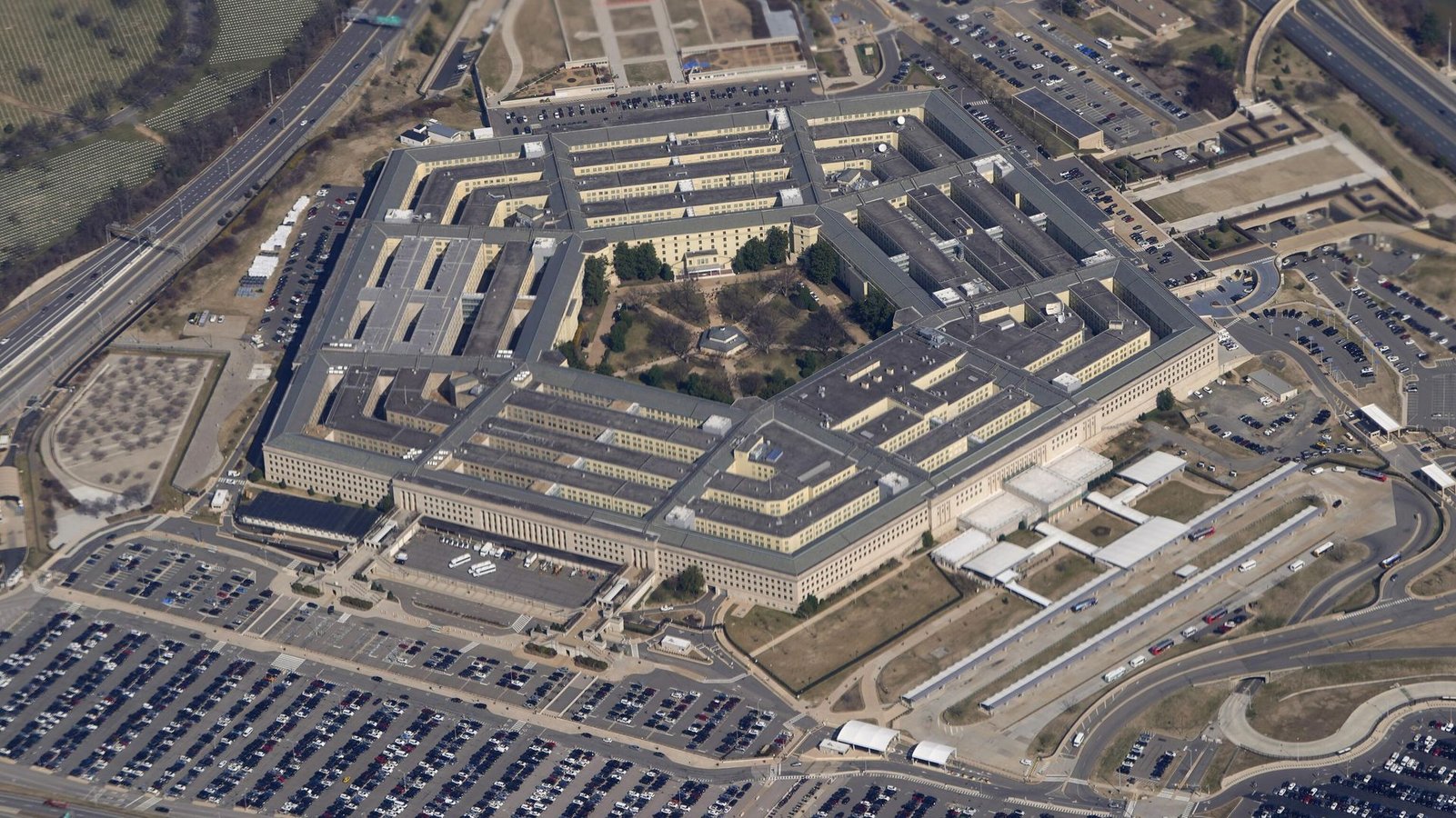
The charge, as the Pentagon framed it, was precise about its conclusion and vague about its substance. Spokesman Sean Parnell said the department had revoked Kendall’s eligibility to access classified information following his “unauthorized disclosure of classified information regarding Air Force One’s capabilities to a media outlet.” Parnell identified no specific outlet, no specific disclosure, and no specific capability. “Safeguarding classified information is a non-negotiable duty,” he said. “Those who violate that trust forfeit the privilege of access and any role requiring it.”
Kendall, 75, said he did not know what he was supposed to have disclosed.
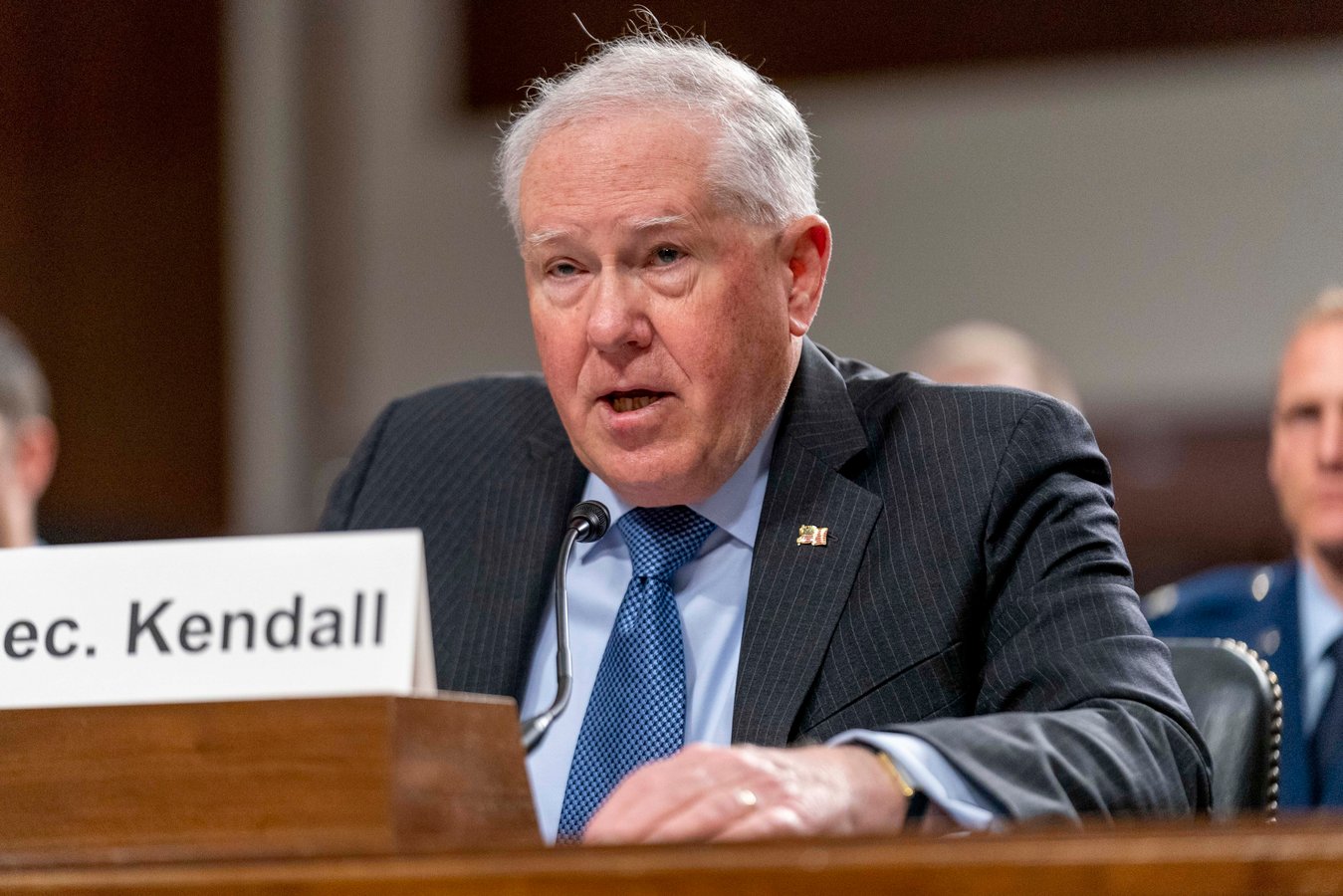
“I’ve always been extremely careful to not say anything classified, and as far as I know I have not,” he told The Associated Press on Friday. He described himself as “completely mystified.” “No one has said anything to me about what I’m asserted to have revealed and I can’t imagine what it could be,” he said.
The accusation arrives against a backdrop that makes its timing difficult to separate from its politics. For the better part of a year, Kendall had been among the most prominent former defense officials speaking publicly about the Boeing 747-8 that Qatar gifted to President Trump, a plane that has generated diplomatic friction, security concerns, and now, apparently, a federal security proceeding. Kendall argued, on the record and on camera, that the aircraft lacked the advanced antimissile capabilities of its predecessor. The $400 million retrofit the plane received before entering domestic service had not, he said, closed the protection gap. The revocation came days after The Wall Street Journal published a comparison of the Qatari plane’s capabilities against the older presidential jets, a report in which Kendall was among the former officials quoted.
“I’ve been comfortable being on the record with reporters and on national television about the Qatari 747,” Kendall told AP, “because I’m confident that I haven’t said anything classified.”
What Kendall described publicly turned out to be accurate in ways the government later acknowledged through classified channels. U.S. officials confirmed that intelligence agencies had detected a credible threat, attributed to Iranian-linked forces, to shoot down Air Force One while the Qatari plane was in service. The Secret Service responded by moving Trump to the older aircraft, which carries the sophisticated antimissile defenses and secure communications the newer jet had not yet received. The White House subsequently announced that the Qatari plane would receive “additional upgrades and enhancements in the fall which will take approximately one month to complete.”
The sequence created an uncomfortable retrospective for the revocation. Kendall had publicly flagged a security gap. That gap proved real enough to trigger a classified aircraft swap. Now, months after those events validated his concerns, he is being penalized for raising them.
The pressure campaign against public commentary on the Qatar jet had been building before Thursday’s action. In July, the Trump administration subpoenaed four New York Times reporters before a federal grand jury, seeking to identify sources behind reporting on the Qatar-gifted Air Force One and its defensive capabilities, as CBS News reported. Kendall was not named in that subpoena, but his public statements on the aircraft’s shortcomings had made him one of the most visible critics of the jet.
Defense Secretary Pete Hegseth had been moving on the leaker question for weeks. In July, he announced a joint Pentagon-Justice Department task force to identify and prosecute unauthorized disclosures of sensitive information to the press. The Kendall revocation is the most prominent individual action that has followed from that effort. Hegseth has moved to revoke security clearances from a series of Biden-era officials since taking office in January 2025, a pattern his department describes as part of an effort to limit what it characterizes as politically motivated disclosures to journalists.
Kendall’s case is notable, however, because his public statements have been consistent and on the record. He maintained throughout that he spoke only about unclassified aspects of the aircraft, and he continued to hold that position after learning of the revocation. The action itself is administrative rather than criminal. No indictment has been filed. But its practical effects are significant: without a security clearance, Kendall cannot consult on classified programs, serve on advisory boards with security requirements, or take part in the national security work that has occupied most of his professional career. Former officials routinely retain clearances after leaving government for exactly these purposes.
No one in the government has told Kendall what specific statement he allegedly made, to which outlet, or when. That gap leaves him in an unusual position. “No one has said anything to me about what I’m asserted to have revealed and I can’t imagine what it could be,” he said. Accused of a specific act, he has no apparent mechanism to learn what that act was and no public forum in which to contest the substance of the accusation.
The aircraft at the center of the dispute remains in a complicated state. The VC-25B, Boeing’s long-delayed replacement for the current presidential fleet, is not expected to enter service until at least 2028, with costs continuing to climb. Until then, the administration operates a Qatari-donated aircraft that required a classified mid-summer threat response, a public commitment to fall upgrades, and now a security revocation directed at the official who most publicly identified those gaps in the first place.
Kendall has said he will continue to maintain that he disclosed nothing classified. The question of what, specifically, the Pentagon believes crossed the line has not been answered publicly. Whatever that answer is, Kendall says he has not been told it, and the government, so far, has not volunteered it.