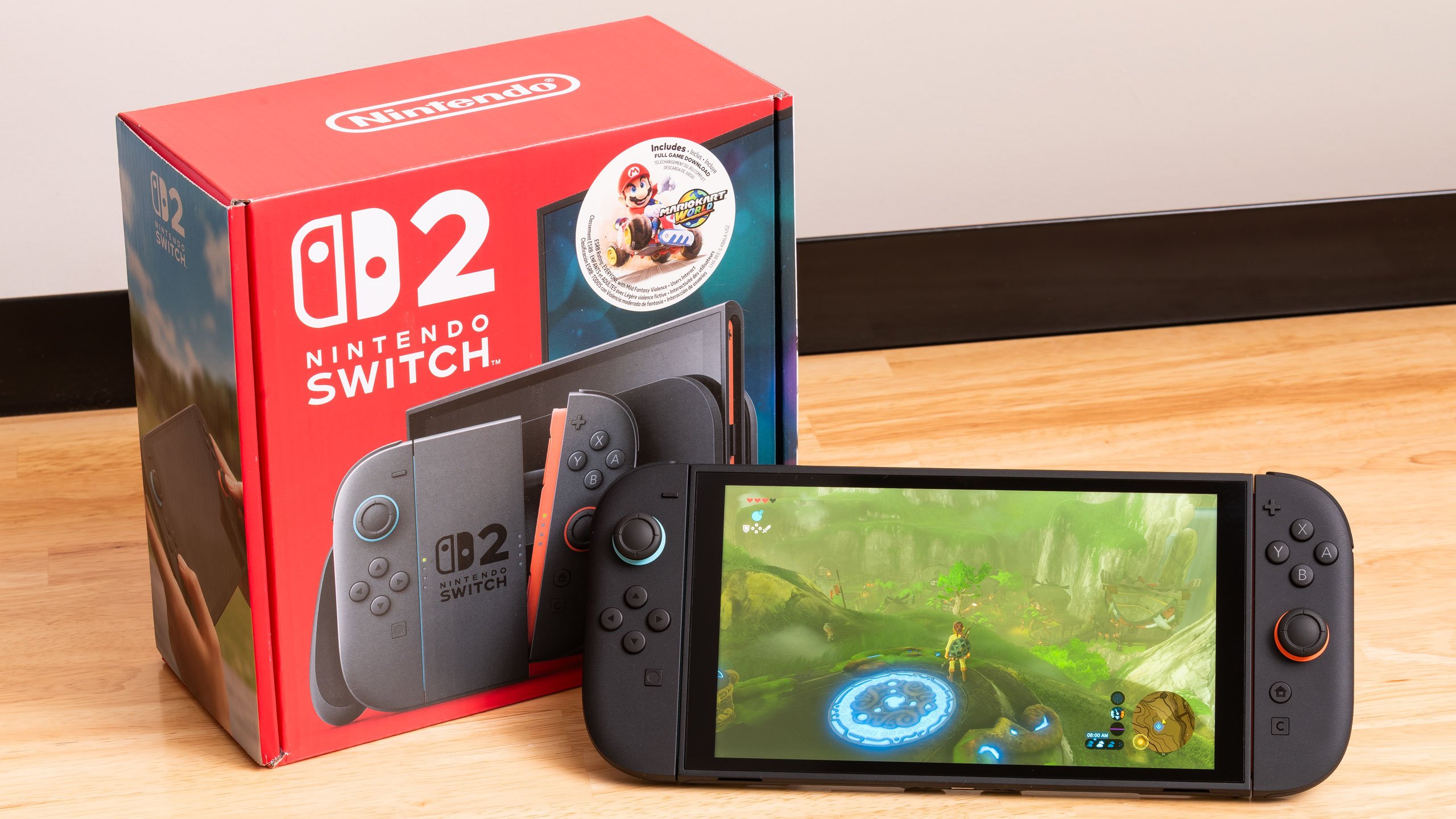
Nintendo’s warning about slowing Switch 2 sales may prove to be one of the clearest signs yet that the global artificial intelligence boom is beginning to reshape the gaming industry in painful ways.
The Japanese gaming giant announced Friday that it would raise prices for the Switch 2 in several markets after forecasting weaker than expected sales for the flagship console. The decision comes as the cost of memory chips used inside gaming hardware continues to surge amid fierce competition from AI companies building massive data centers.
Nintendo now expects to sell 16.5 million Switch 2 units during the fiscal year ending March 2027, below the nearly 20 million units sold in the previous fiscal year. Investors had expected stronger momentum for the company’s newest hardware cycle, especially after the console’s blockbuster launch.
The company said the Japanese version of the Switch 2 would rise by 10,000 yen, while the U.S. version will increase by $50 to $499.99 starting later this year. Nintendo blamed “market conditions” and broader economic uncertainty, though analysts say the deeper issue is the spiraling cost of memory chip prices driven by AI demand.
The crisis stretches far beyond Nintendo.

For years, gaming consoles benefited from relatively stable semiconductor pricing. But the explosion of the AI boom has changed the economics of the chip industry. Companies such as OpenAI, Microsoft, Google and Meta are spending billions on AI servers that require enormous amounts of high bandwidth memory and advanced DRAM chips. That demand has encouraged suppliers including Samsung, SK Hynix and Micron to prioritize AI-focused production over consumer electronics.
The result is a growing supply squeeze hitting everything from gaming consoles to smartphones and PCs.
Nintendo appears especially vulnerable because of the company’s unusually broad customer base. Unlike Sony’s PlayStation audience, which is dominated by dedicated gamers willing to spend heavily on hardware, Nintendo relies on families and casual players who are far more sensitive to price increases. Analysts warned that pushing the Switch 2 closer to the price of a PlayStation 5 risks damaging demand during a critical stage of the console cycle.
The timing is awkward for Nintendo because the Switch 2 initially appeared unstoppable. The hybrid console became one of the fastest selling gaming systems ever after launch, surpassing 19 million units sold globally by March 2026.
But cracks have begun to emerge beneath the momentum.
Consumer spending has weakened in several major markets amid persistent inflation and geopolitical instability. Tariffs and supply chain disruptions have also increased manufacturing costs. Nintendo said tariffs alone would add roughly 100 billion yen in expenses during the current fiscal year.
The company’s shares have faced pressure from investors concerned that hardware profitability is eroding faster than expected. Analysts quoted by CNBC said Nintendo may have little choice but to continue adjusting prices if memory costs remain elevated through 2027.
Sony, meanwhile, has already increased PlayStation 5 prices in several regions. The company recently admitted that PlayStation 5 sales have slowed sharply, with quarterly console sales dropping 46% year over year.
Still, Sony may be better positioned to absorb the storm. The company has diversified revenue streams in music, movies and image sensors, while upcoming blockbuster releases such as Grand Theft Auto VI are expected to boost software revenue and engagement. Nintendo remains far more dependent on hardware momentum tied directly to Mario, Zelda and Pokémon franchises.
The broader concern inside the gaming industry is that the traditional console business model may be entering a far more volatile era.
Historically, console makers sold hardware at slim margins early in a generation before eventually lowering manufacturing costs over time. But AI infrastructure spending is disrupting that pattern. Instead of components getting cheaper as technology matures, gaming companies now face a scenario where core memory parts remain expensive for years because AI firms are willing to pay premium prices for supply.
That could delay future consoles, reduce hardware innovation, or force companies to launch devices at far higher prices than consumers have historically tolerated. Some analysts have already warned that next generation systems from Sony or Valve could face delays because of the worsening memory market.
For gamers, the shift could fundamentally change what buying a console looks like in the AI era.
The gaming industry spent decades competing against smartphones and mobile apps for consumer attention. Now it is being squeezed by an entirely different technological revolution, one powerful enough to reshape global semiconductor priorities and force even Nintendo to rethink its pricing strategy.
The pressure is also reshaping the broader gaming ecosystem, where rising hardware costs, AI-driven infrastructure battles and changing consumer expectations are colliding at the worst possible moment for console makers.
Even Nintendo’s once unstoppable Nintendo Switch 2 momentum now faces growing uncertainty as the economics of gaming hardware continue to shift under the weight of the AI race.