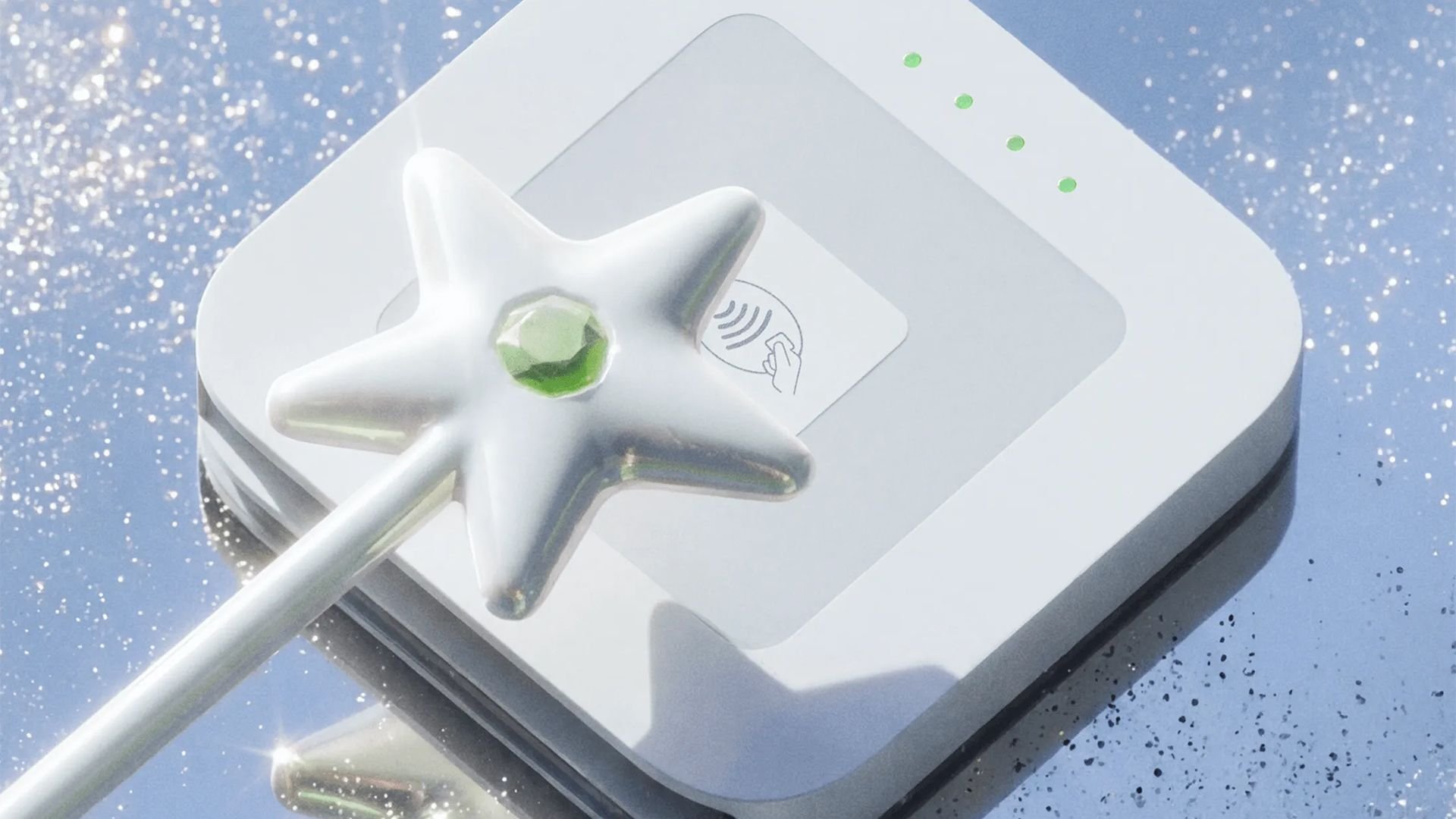
SAN FRANCISCO — The checkout line at a festival is not where you expect to encounter a miniature magic wand. But on June 4, that became a real possibility. Block’s Cash App launched the Magic Wand, a pearlescent, star-tipped keychain containing a near-field communication chip, for $25. All 10,000 units in the initial drop sold out within hours. The question left standing after the sellout is not whether the concept works — it does, at any Visa contactless terminal — but whether Block has identified a durable new category in consumer payments hardware or engineered an exceptionally photogenic one-off.
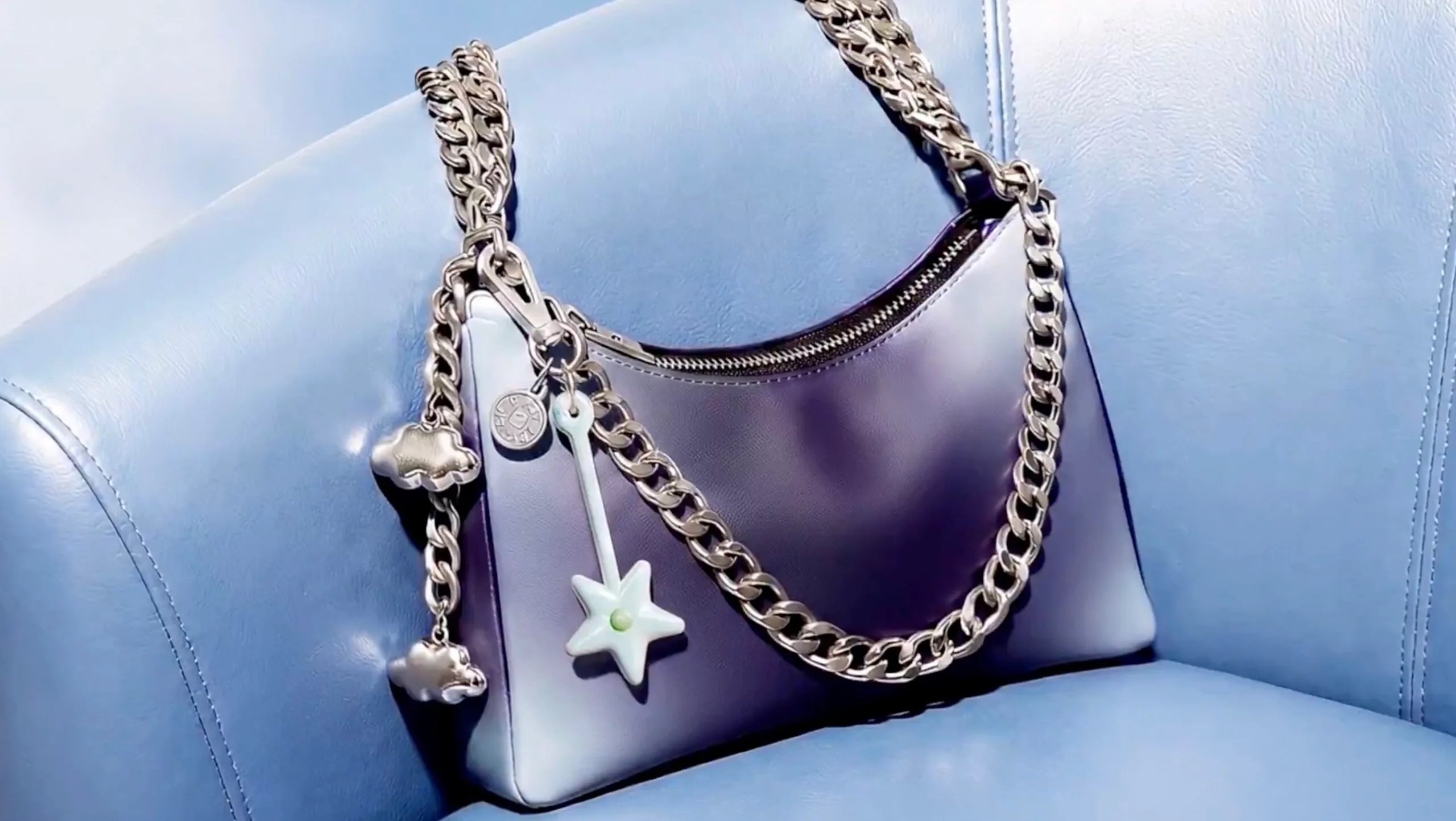
Thomas Templeton, hardware lead at Block, described the wand as an early entry point in a new product line called Cash App Tags: NFC-enabled accessories that can take virtually any form factor. “The number of form factors we can create is nearly limitless,” Templeton said in a statement issued through the company. “From clothing to jewellery, almost any item can become a way to pay with this technology.” Future releases planned for summer 2026, he confirmed, will span jewelry and clothing, with no minimum Cash App balance required for any tag to function.
Jack Dorsey, who co-founded Twitter before departing its board in 2022 and now leads Block, posted two words on X when the wand went live: “pay by magic.” It was a characteristically brief signal that this was not a marginal product experiment. Cash App has 57 million users and generated $16.25 billion in revenue in 2024. One in five American teenagers already carries a Cash App Card, according to the company. In April 2026, Block extended that funnel further, introducing a parent-controlled debit card for children aged six to twelve. The wand, priced at entry-level collectible territory, fits a demographic pipeline Block has been methodically assembling for years.
The product did not originate in a design lab. It formalized a trend that had already spread across TikTok — users filming themselves completing contactless purchases at supermarkets and theme parks using homemade wands with tap-to-pay cards glued or hidden inside. The videos accumulated millions of views precisely because they reframed a mundane transaction as something theatrical. Block’s version substitutes the hacked-together original with a manufactured object carrying the Cash App brand, a keychain ring for attachment, and an actual NFC chip linked directly to a Cash App debit account.
The demographic math that underwrites this strategy is specific. Research cited by Block indicates that 38 percent of Gen Z consumers purchase limited-edition collectibles monthly. A $25 payment accessory that doubles as merchandise and a shareable object sits precisely at the intersection of that behavior and Cash App’s existing user base — and at a price point low enough that it competes with impulse merchandise rather than with a bank card. The wand is not a replacement for the Cash App Card. It is, in Block’s framing, a supplement for situations where a phone is inconvenient or prohibited: music venues with phone-free policies, stadium concession stands, or moments when a bag takes too long to search.
The broader fintech context for this move is worth examining. Cash App’s first-quarter 2026 profit rose 38 percent year-over-year, driven not just by peer-to-peer transfers but by credit products including its buy-now-pay-later function. That growth has continued even after a significant restructuring earlier this year, when AI-driven workforce reductions cut Block’s headcount by roughly 40 percent to under 6,000 employees — a process that drew scrutiny over its scale and timing. What the wand launch signals about Block’s post-restructuring priorities is that the company is leaning back into consumer product identity, specifically among younger cohorts who have the longest potential lifetime value as financial services customers.
The wand’s sell-through speed also raises a harder commercial question: whether Block can sustain this as a recurring business rather than a single viral moment. The company confirmed additional limited drops throughout summer 2026, which positions the Tags line less as a product category and more as a limited-edition release strategy — closer to how a streetwear brand operates than a bank. That framing may be entirely intentional. The Cash App Card was itself redesigned as a customizable object years ago, generating outsized engagement relative to its function. The Tags line extends that logic into physical payment accessories, with collectibility built in from the start through supply constraints.
What remains unresolved is whether any of this affects Block’s competitive position against Venmo, which is undergoing its own product evolution, or against Apple Pay and Google Wallet, which offer contactless payment without requiring a separate physical device. For Block, the wand sidesteps that comparison almost entirely. It is not competing on functionality — it does exactly what a phone already does — but on identity, on the social legibility of how you pay. Whether that is enough to matter beyond the first summer of limited drops is the question Block has not yet answered.
The broader race to own the payment layer for younger consumers has intensified sharply in 2026, with AI-driven checkout integrations, buy-now-pay-later expansion, and now wearable NFC accessories all competing for the moment when a teenager decides how to hand over money. Block’s bet, with the Magic Wand, is that the teenager who feels something when they tap will remember it. The company has not yet demonstrated that the feeling compounds into anything other than a sold-out drop.