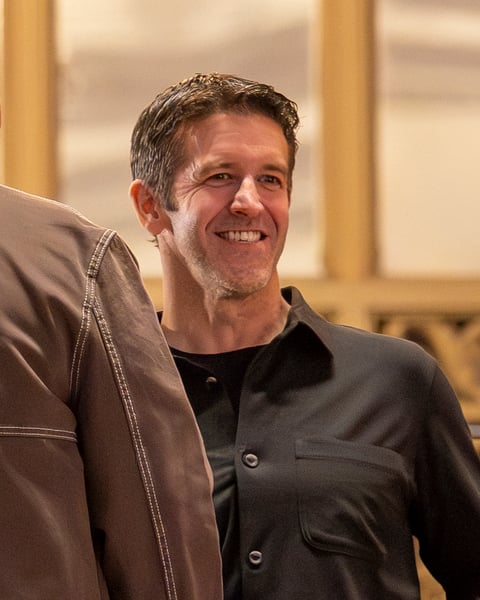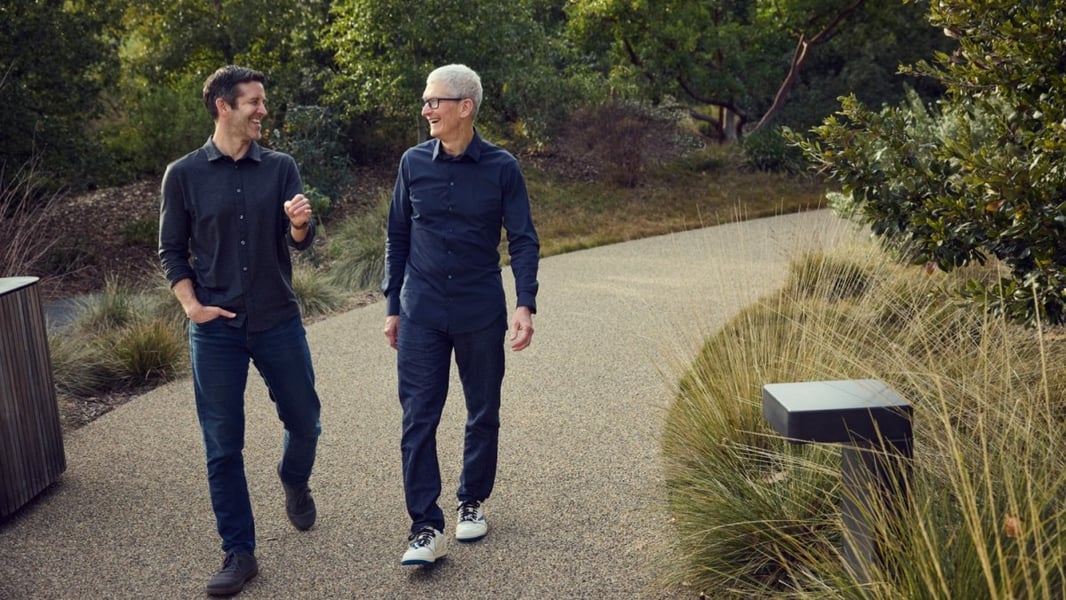

CUPERTINO — The headset that cost $3,499 and sold fewer units in a year than the iPhone sells in a weekend is not getting a sequel. John Ternus, who takes over as Apple’s chief executive on September 1, has signed off on a sweeping overhaul of the company’s spatial computing plans, eliminating both a second-generation Vision Pro and the lighter Vision Air that had been widely anticipated as a mass-market follow-on. What remains is a two-product strategy built around eyeglasses — a bet that the future Apple wants to own looks far less like a ski goggle and far more like something a person would actually wear to the grocery store.
Supply chain analyst Ming-Chi Kuo, who published the development in a post on X, was unambiguous about what drove the decision. “The major overhaul was signed off by Apple’s next CEO, John Ternus,” Kuo wrote, adding that the Vision Pro product roadmap he assembled a year ago — which had charted at least seven head-mounted wearables through the end of the decade — is no longer a useful reference. “For now, only two smart glasses products remain visible in the roadmap.”
Those two products are an AI-powered pair of glasses designed to compete directly with the Meta Ray-Ban smart glasses, expected to ship in late 2027, and a display-equipped augmented reality headset using optical waveguide technology that Kuo now puts no earlier than 2029. The AI glasses carry no display. They are intended to be worn all day, running on-device intelligence and iPhone integration — essentially the wager Apple has made before with the Watch, betting that good design and ecosystem lock-in can convert a niche into a mass market.
Mark Gurman at Bloomberg, who has reported extensively on Apple’s hardware pipeline, added detail to Kuo’s account. The Vision Air was discontinued internally in October 2025, Gurman reported. A separate display-equipped product that would have connected wirelessly to a Mac was killed even earlier, in January of that year. As for the Vision Pro itself, Gurman’s account diverges slightly from Kuo’s: he says a slimmer, lighter successor is in testing but that the entire category is “on ice” and unlikely to reach consumers before late 2028 or 2029, if at all. “Apple needs to fix the design and pricing problems that turned the first Vision Pro into a flop,” Gurman wrote, “and that category will essentially be on ice until then.”
The commercial case for the pivot is not hard to make. The original Vision Pro, launched in February 2024 at $3,499, was a critical sensation and a sales disappointment. Apple quietly updated it with an M5 chip earlier this year without materially changing the price or the fundamental problem: almost nobody needs a spatial computer badly enough to strap one to their face for hours at a time. The glasses category — where Meta’s Ray-Ban collaboration has sold millions of units at under $400 — poses a different question entirely. It asks whether people will pay for something useful that they already have a social habit of wearing.
Apple has been watching Meta’s momentum in smart glasses with what multiple people familiar with its strategy describe as genuine urgency. Gurman’s reporting this past week framed Apple’s glasses push as an effort to “pull the rug out” from Meta before the category matures around a competitor’s hardware. The timing matters: Meta has built a lead in AI-assisted glasses that pairs with Snap, Google, and Xreal all entering the market within months of each other. Google and Xreal’s Project Aura, demonstrated at Google I/O in May, showed how quickly the competitive environment has shifted from vision-obscuring headsets toward lightweight, connected eyewear that layers intelligence onto the real world rather than replacing it.
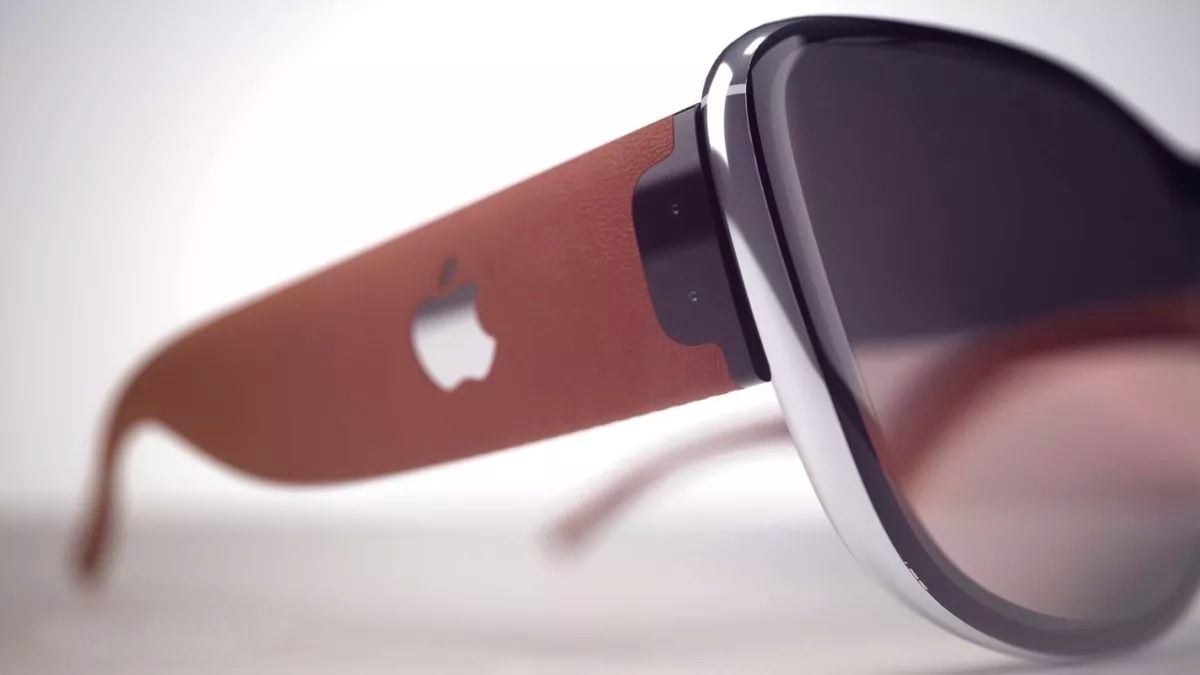
What Apple’s AI glasses will actually look like, how they will be priced, and what their hardware specifications will be remain genuinely unknown. Kuo’s post provides a product category and a rough launch window; it does not provide a chip name, a battery claim, or a price range. The company has not commented on any aspect of the report. And the history of Apple glasses rumors is long enough to include multiple product deaths — a display-equipped set of AR specs that Kuo and others tracked for years before they were cancelled — which means the 2027 date for AI glasses should be treated as an estimate, not a commitment.
The more structurally significant question is what Ternus’s decision says about the Vision Pro as a concept, not just as a product. Apple spent years and reportedly billions of dollars developing the spatial computing platform, including the R1 chip for sensor processing and the visionOS operating system. If the successor is cancelled and the category is on ice until at least 2028, that investment is not being written off — but it is being deferred in a way that was not part of the plan when Tim Cook stood on stage at WWDC 2023 and called the Vision Pro the beginning of “an era.”
Ternus, who built his reputation inside Apple overseeing hardware engineering for iPhone and Mac, has been described by people who have worked with him as rigorous about product-market fit in ways that sometimes clash with visionary ambition. The glasses pivot — two products, a clear competitive target in Meta, a launch window within reach — reads like a hardware engineer’s correction to a visionary’s overreach. Whether the AI glasses become the next Apple Watch or the next HomePod is a question that 2027 will answer.
The transition itself carries its own uncertainty. Cook remains Apple’s executive chairman after September 1, a structure that preserves his influence over strategy even as Ternus assumes operational control. Whether that dual-leadership model shapes the glasses roadmap further — or whether Ternus operates with genuine autonomy on the decisions that matter most — is something the company has not addressed publicly. What is clear is that the product that defined Cook’s late tenure as an innovator is no longer the product Apple is building toward.
Related Posts