
JUNEAU, Alaska – Five days after a small skiff ran out of fuel in the remote channels of Southeast Alaska, a cruise ship passenger named Michael Love posted on social media and turned a routine maritime assist into a story about the world’s most expensive private yacht.
The skiff, a 21-foot vessel short on fuel, had broadcast a call for help in the waters between Petersburg and Juneau on August 5. The United States Coast Guard, following standard protocol, radioed the nearest large vessel in the area: the Launchpad, the 387-foot superyacht owned by Mark Zuckerberg. No response came from the yacht. A cruise ship, the Wilderness Legacy, ultimately towed the stricken craft to Farragut Bay.
Love, a passenger aboard the Wilderness Legacy, recounted the episode in a post that spread widely on Sunday, five days after the incident. He wrote that the Wilderness Legacy captain had announced over the ship’s intercom that Zuckerberg’s yacht “had repeatedly refused to respond” to the Coast Guard relay, a detail that drew anger from other passengers before the rescue was completed.
A Meta spokesperson told CBS News that the Launchpad crew had monitored a different radio channel from the one the Coast Guard called on, and that by the time they reviewed the contact, the Wilderness Legacy had already begun the tow. “The boat was not in distress,” the spokesperson said, “and all parties are safe.” Zuckerberg and his family were not aboard the Launchpad at the time.
The explanation is technically coherent. Maritime radio protocol allows vessels to monitor multiple channels, and a large crewed ship could plausibly miss a relay on a secondary frequency. At the same time, the Coast Guard’s decision to contact the Launchpad specifically suggests the agency identified the superyacht as the most capable vessel nearby and expected a response.
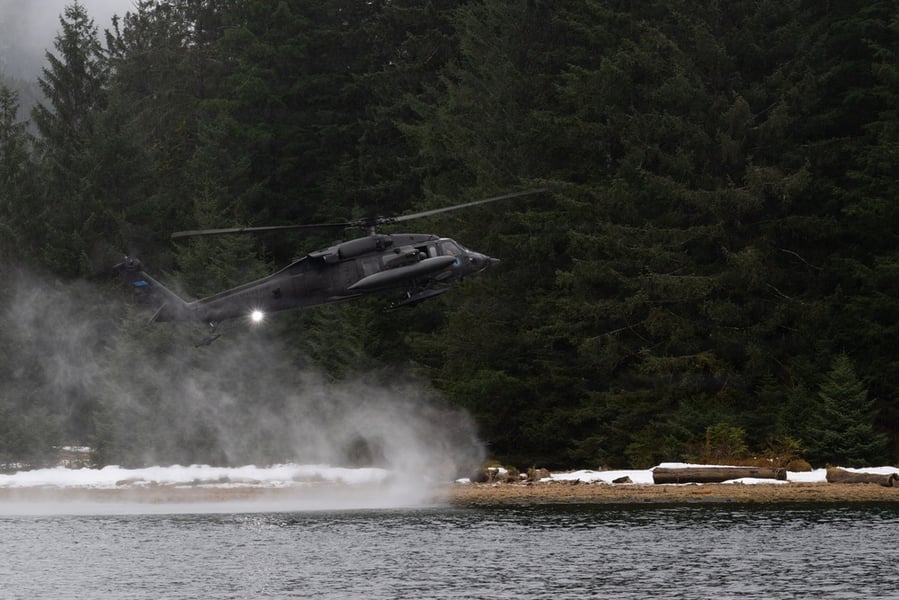
What neither the statement nor available reporting resolves is the tension between the captain’s onboard announcement and Meta’s version of events. Love’s account places the captain characterizing the Launchpad as having “repeatedly refused,” not merely failed to respond. Meta says the crew simply missed the call. Those are different failures, and the record does not currently establish which one is accurate.
The Launchpad itself is a vessel of considerable specification. Built in 2024 and reported to cost around $300 million, the yacht stretches 387 feet and can accommodate up to 24 guests alongside a professional crew. Zuckerberg commissioned it that spring and subsequently used it for extended family travel. The ship draws consistent public attention wherever it appears at port, and its presence in Southeast Alaska during what appeared to be a recreational passage attracted photographs from local observers before the fuel emergency arose.
The incident registers differently in a summer when public scrutiny of billionaire assets has sharpened. Zuckerberg has committed Meta to capital expenditures that some shareholders have questioned, and the company’s earnings cycle has kept his name in business headlines through the season. The Launchpad story adds a different dimension: not the scrutiny of a CEO’s spending decisions but a question, however unresolved, about what responsibility accompanies extreme private wealth when a maritime emergency arises nearby.
The public reaction accelerated almost entirely because Love posted. Without his account, the incident would have remained a line in a Coast Guard log. The Wilderness Legacy crew responded and completed the assist without fanfare; the fuel-depleted skiff reached Farragut Bay without injury or further complication. Only the Launchpad’s non-response, surfaced five days later by a civilian, made the sequence newsworthy.
Meta’s response was measured. The company confirmed the relevant facts: a different channel, an assist already underway, and no injuries. It did not address what the Wilderness Legacy captain told passengers, or explain why a vessel of that size and crew was monitoring a channel separate from the one used for emergency coordination in those waters. That is the gap the statement does not close.
Last week, Zuckerberg’s company launched Meta Muse, a new open-weight artificial intelligence model intended for on-device use in consumer laptops. The announcement was part of a sustained effort by the company’s leadership to position itself as open and accessible. The timing of the Alaska story alongside that public posture does not alter what happened on August 5, but it shapes how the account lands.
Alaska’s Inside Passage, the system of channels and fjords running from Washington State through Southeast Alaska, is one of the more frequently navigated summer cruise routes in North America. It also concentrates large vessels in close proximity to remote shoreline where phone coverage is absent and VHF radio remains the primary communication layer between ships. The Coast Guard’s decision to relay the skiff’s fuel emergency to the Launchpad reflects standard procedure in that environment, not a special accommodation.
No investigation has been announced. The skiff crew reported no injuries. The Wilderness Legacy completed its scheduled sailing without further incident. What remains is a small factual gap between two accounts of a radio exchange in Alaskan waters, and an online reaction that found the gap sufficient.