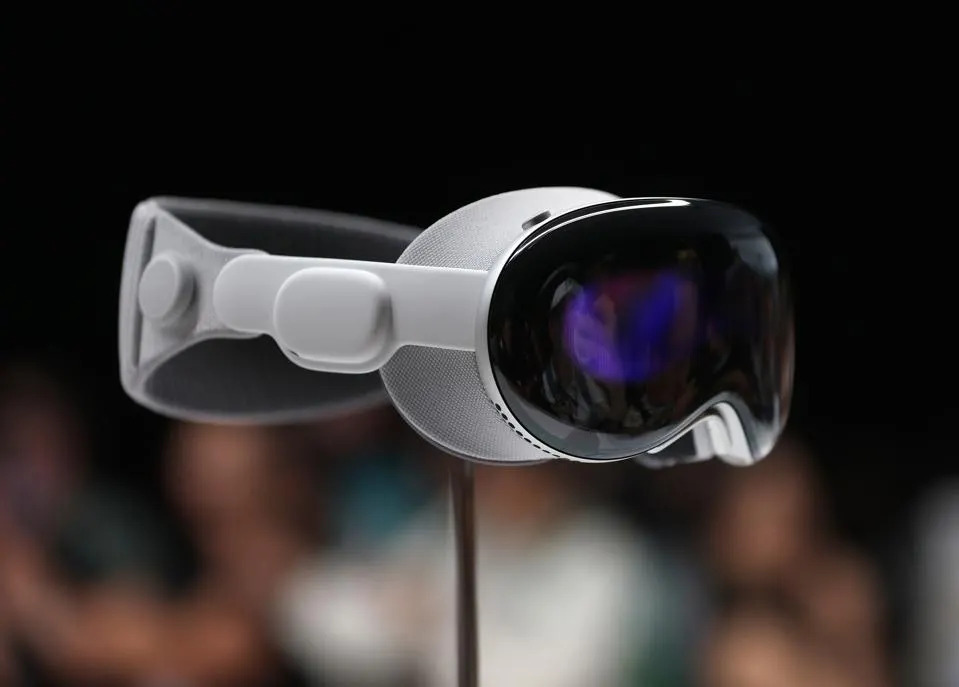

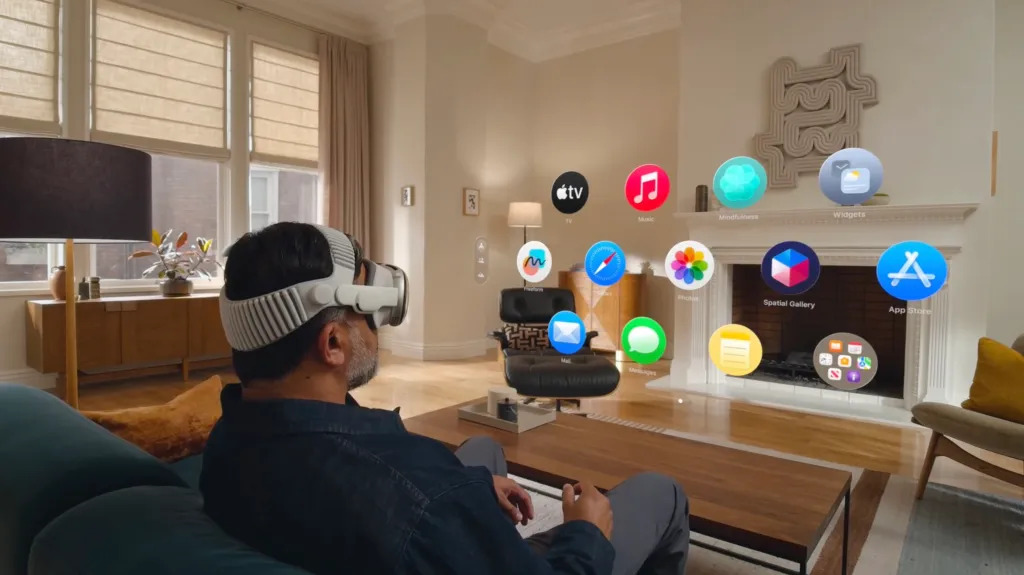
In early 2024, when Apple Inc. unveiled its long-awaited Vision Pro headset, executives framed it not merely as a product, but as the dawn of a new computing era. Spatial computing, they called it. A post-iPhone future. Less than two years later, that future appears to have dimmed dramatically.
According to multiple reports and industry insiders, Apple has effectively stepped back from further development of the Vision Pro after its upgraded M5 version failed to revive demand. What was once pitched as the company’s boldest leap since the iPhone is now being quietly repositioned, its teams reassigned and its ambitions redirected.
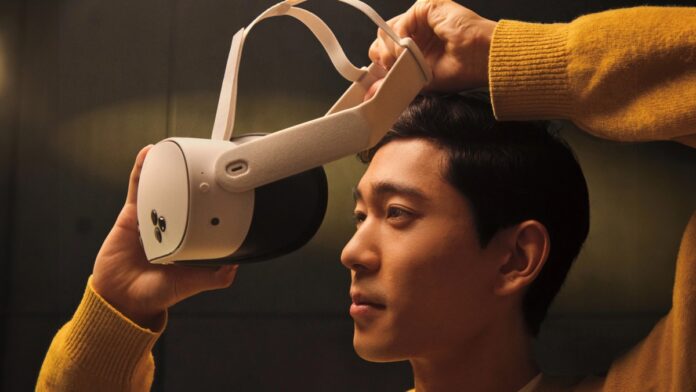
The signs of trouble were visible early. Priced at $3,499, the headset entered a market already struggling to justify the value of immersive hardware. Analysts and consumers alike balked at the cost, reinforcing how the high price tag limited mass adoption. The device’s physical design at over 1.3 pounds quickly became a recurring criticism. Even among early adopters, enthusiasm often gave way to fatigue, both literal and figurative.
By the time Apple introduced its first major refresh in late 2025, expectations were modest but hopeful. The updated model, powered by a faster M5 chip, promised improved performance and refined usability. But beyond these incremental upgrades, little changed and neither did the public’s appetite.
Reports indicate poor sales and high return rates, with the device struggling to gain traction even among Apple’s loyal base. More troubling still were unusually high return rates, suggesting that even those willing to pay the premium price were not convinced by the experience.
Inside Apple, the response appears to have been swift and decisive. The company has reportedly stopped work on the headset, with engineers and designers reassigned to other priorities, including artificial intelligence initiatives and next-generation hardware projects. The move underscores a broader shift in strategy away from bulky headsets and toward lighter, more practical wearable technologies.
Chief among those future ambitions is a renewed focus on devices aligned with the smart glasses future. Unlike the Vision Pro, these products are expected to prioritize simplicity and everyday usability, potentially resembling lightweight eyewear rather than immersive headsets. Reports across the industry confirm a broader shift toward smart glasses and future wearables, suggesting Apple is recalibrating its long-term vision.
The pivot reflects a hard-earned lesson about the limits of current technology and consumer patience.
Despite its technical sophistication, the Vision Pro struggled to find a compelling use case beyond niche applications. For many users, the promise of immersive entertainment and productivity did not outweigh the practical inconveniences of wearing a heavy, expensive device for extended periods. The broader virtual reality market has faced similar challenges, with even well-funded competitors scaling back their ambitions amid sluggish adoption.
Yet it would be premature to declare the Vision Pro an outright failure. Within Apple, success is rarely measured solely by immediate sales figures. The device introduced a range of technologies from advanced eye tracking to spatial interfaces that are likely to inform future products. Some analysts argue that the headset was always intended as a stepping stone rather than a mass-market hit.
Even so, the optics are difficult to ignore.
Apple has built its reputation on delivering products that not only push technological boundaries but also resonate with consumers on a mass scale. From the iPod to the iPhone, its greatest successes have combined innovation with accessibility. The Vision Pro, by contrast, leaned heavily toward the former while largely neglecting the latter raising deeper questions about Apple’s pricing strategy shift across its premium lineup.
As the tech world shifts rapidly, similar disruptions seen in latest tech news highlight how even industry giants struggle to sustain momentum.
In recent weeks, reports suggesting that Apple has “given up” on the Vision Pro have circulated widely, though the company has not officially confirmed any such decision. Notably, Apple continues to hire for roles related to its Vision Products Group, indicating that work on underlying technologies may still be ongoing even if the current headset itself has reached a dead end.
That ambiguity leaves room for interpretation. Is this a quiet retreat, or simply a strategic pause?
For now, the answer may lie somewhere in between. Apple’s history is filled with products that failed to achieve immediate success but laid the groundwork for future breakthroughs. The Vision Pro may ultimately follow a similar trajectory.
But in the present moment, the verdict from consumers is clear: cutting-edge technology alone is not enough. Without a compelling reason to use it and a price that feels justified even the most advanced device can struggle to find its place.
For Apple, the challenge now is not just to innovate, but to recalibrate to translate its vision of the future into something people actually want to live with.
And that, perhaps, is the harder task.