
LONDON – Samsung unveiled Galaxy Glasses at Galaxy Unpacked in London on Tuesday, its most direct entry into AI-powered eyewear and, depending on how the next few months go, potentially its most interesting product launch of the year. There is no price yet and no firm release date, but there are two frames worth talking about.
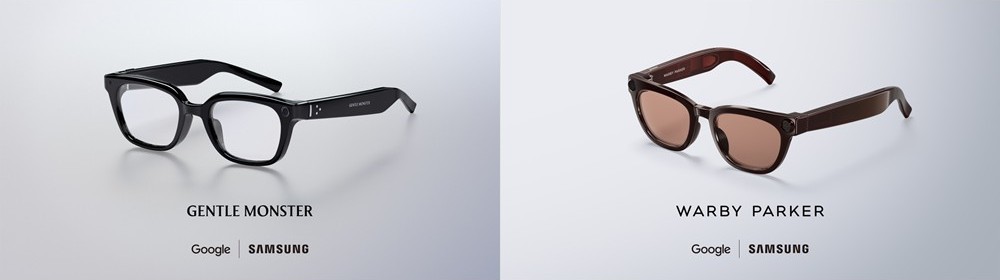
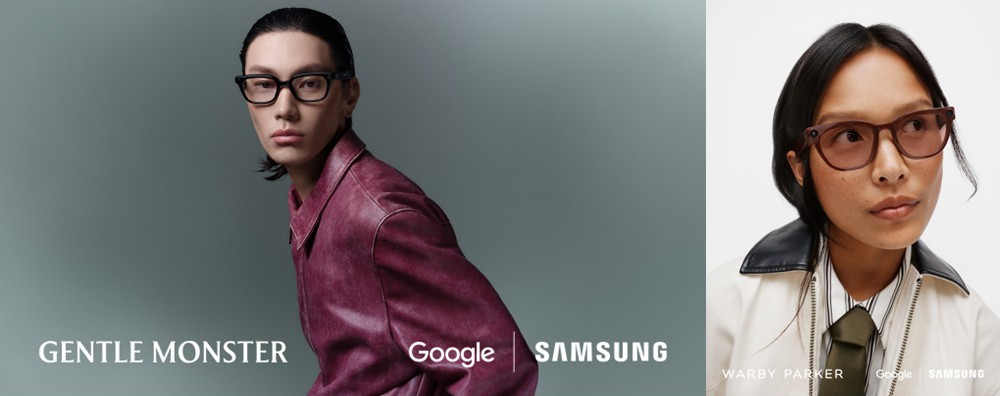
Galaxy Glasses will ship in two design configurations: one developed with Gentle Monster, the Korean fashion eyewear label known for avant-garde aesthetics, and one with Warby Parker, the American brand that built its reputation selling prescription glasses online at a fraction of traditional retail prices. The Gentle Monster version offers a slim black frame with a straight upper rim and rounded lower edges. The Warby Parker version goes for a brown frame with an upswept brow line and a more conventional everyday look. The framing choice is deliberate. Samsung wants to show that these glasses can function as fashion objects, not gadget accessories.
Under the frame, both versions run on Qualcomm’s Snapdragon AR1 Gen1 platform, the chip built specifically for always-on eyewear use cases. Battery life is rated at up to nine hours per charge, with the carrying case providing seven additional full charges. There is a built-in camera for visual context tasks, which Samsung demonstrates primarily through AI features rather than photography.
Those AI features run through Google Gemini and are built on Android XR, the operating platform Google and Samsung have been developing together. The practical capabilities include message summarization and read-aloud, live translation, notes capture from whiteboards and meetings, real-time navigation, and live visual sharing during calls, where the person on the other end can see what your camera sees.
“Intelligent eyewear creates a new point of interaction, bringing more personalized AI assistance naturally into the moments that make up everyday life,” said Won-Joon Choi, COO of Samsung’s Mobile eXperience Business, in Samsung’s official announcement. It tracks with what Samsung has been trying to do with its AI integrations since the Galaxy AI rollout in 2024.
The competition context matters. Meta’s Ray-Ban smart glasses have been the de facto standard for AI eyewear since they started shipping in volume, and Meta has been adding features at a pace that kept them relevant well into 2026. Samsung is entering a category where another company has been building consumer familiarity for two years.
Meta’s wearables roadmap, which includes AI necklaces and supersensing glasses alongside the established Ray-Ban line, shows the scale of investment the category is attracting from Meta alone. Samsung’s Galaxy Glasses are arriving into a market that Meta has been building out aggressively, with Google as a platform partner rather than a direct competitor in hardware.
The Android XR integration raises a strategic question. Google has developed the platform as a foundation for multiple hardware partners, meaning the same operating system that runs Samsung’s Galaxy Glasses will power whatever other manufacturers bring to market. Samsung’s differentiation lies in the Gentle Monster and Warby Parker partnerships and the integration with its existing device ecosystem.
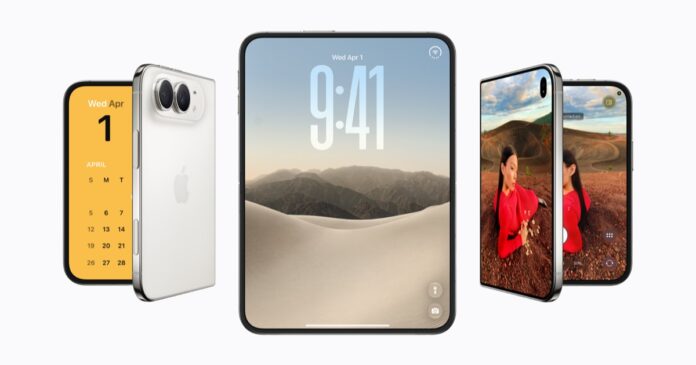
Samsung’s Galaxy Z Fold8 Ultra, also unveiled at the London Unpacked event, represents the flagship foldable tier of the ecosystem the glasses are meant to complement. Samsung’s pitch is that the glasses, phone, watch, and tablet form a continuous AI surface, ambient intelligence that follows the user across devices rather than living inside any single one.
What the announcement did not provide is the information that would allow anyone to make an actual purchase decision. No price. No retail launch date. No independent battery performance data in real-world conditions. The live translation and navigation features sound compelling in a demo, but AI features for wearables have a history of degrading under conditions developers did not anticipate, including varying accents, ambient noise, and latency under load.
The Gentle Monster collaboration is the detail most likely to drive consumer attention in the near term. Galaxy Glasses that look like fashion objects rather than prototype hardware solve a real problem that has dogged every AI eyewear launch since Google Glass: people do not want to look like they are wearing a computer. Whether the glasses perform as advertised is a question for shipping units. Right now, the aesthetics are doing the persuading.