
BEAVERTON, Ore. – Virgil van Dijk, Liverpool’s Dutch captain and one of the most physically dominant defenders in world football, described the Nike Air Zoom Hyperslide the way athletes describe recovery products when they want to sound like something other than a paid endorsement. The combination stands out, he said. Heat and vibration help feet recover quickly. The Air Zoom cushioning feels incredibly comfortable.
Whether the slide fulfills that description will become clearer in September. Nike and Hyperice unveiled the product Monday via a joint announcement, setting a launch date of September 29 for select markets, with availability at nike.com, hyperice.com, and select retail locations globally. The price has not been disclosed.
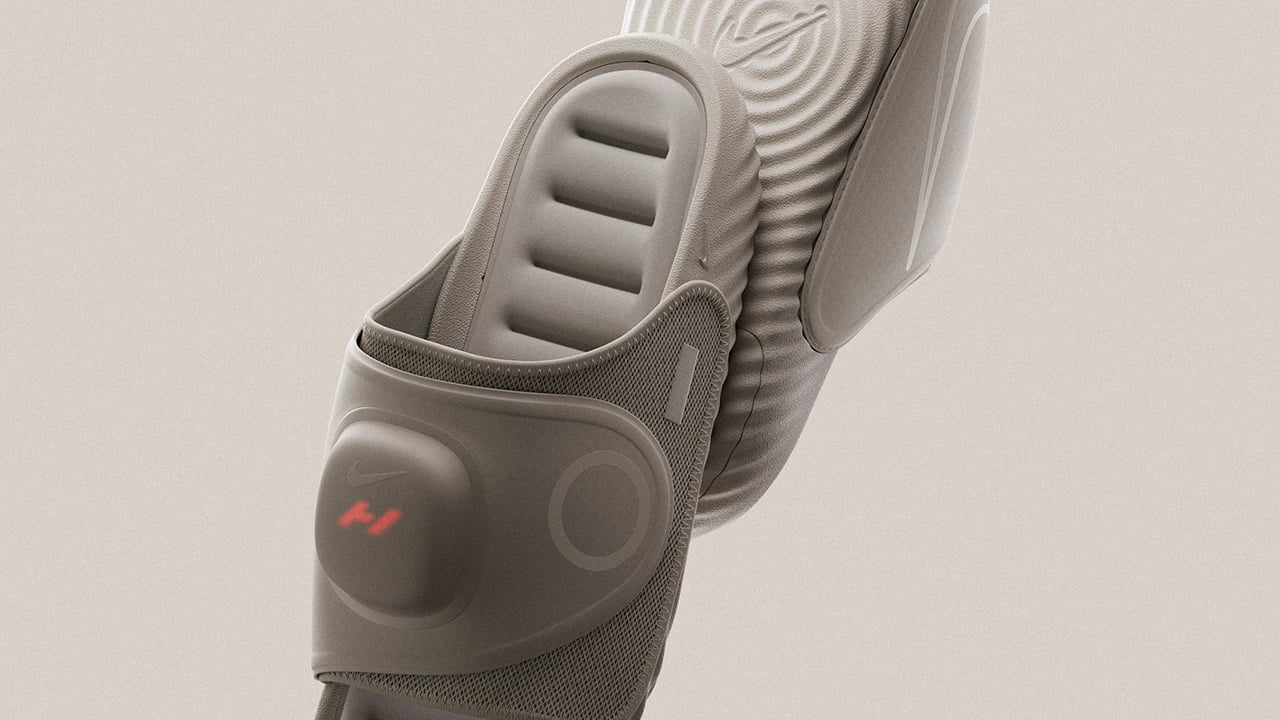
The Hyperslide is a slip-on recovery sandal. Its distinguishing feature is a removable magnetic pod that sits in the strap and delivers both heat and vibration to the top of the foot. Three heat levels go up to 117 degrees Fahrenheit, approximately 47 degrees Celsius. Three vibration settings run in fifteen-minute recovery cycles. The pod clips in and out magnetically, connects to the Hyperice app, and carries on-pod controls for use without a phone. The base is a full-length Nike Air Zoom sole.
Nike’s most recent quarterly financial results showed fiscal Q4 earnings per share of $0.35, beating the $0.28 estimate, but the beat was largely built on a $986 million tariff refund. Greater China revenue fell 17 percent and CEO Elliott Hill declined to give annual guidance, with shares dropping after hours. Against that backdrop, the Hyperslide is a category extension into a recovery market that has shown consistent appetite for premium pricing, even when broader athletic retail is under pressure.
The launch builds on the Nike x Hyperice Hyperboot, the first product from the partnership. According to Fox Business, the Hyperboot exceeded $10 million in revenue within eight months of launch, was the first athletic shoe carried by Best Buy, and won multiple innovation awards after testing with Nike athletes at the 2024 Paris Games. That commercial track record is the foundation for extending the collaboration into footwear designed specifically for the post-competition recovery window.
Anthony Katz, Hyperice’s founder, said the companies are making premium recovery more accessible by combining Nike’s footwear expertise with Hyperice technology. Tobie Hatfield, Nike’s senior director of athlete innovation, said recovery must meet athletes at the level of the effort they put in. Both statements are framing rather than specification, which is consistent with how recovery brands typically introduce products before retail prices arrive.

Van Dijk’s role as lead endorser connects the Hyperslide to one of world football’s more physically demanding positions. His Netherlands at the 2026 World Cup in Dallas drew 2-2 with Japan in one of the group stage’s more discussed results, a match in which the Dutch captain’s recovery runs were as critical as his positioning. The Hyperslide is positioned for exactly that kind of athlete, though van Dijk’s playing position means his feet absorb different types of load than a forward or midfielder.
Nike’s athlete collaborations this year have covered a range of product registers. Naomi Osaka’s Nike collaboration at Roland Garros in May was built around couture rather than function, producing one of the tournament’s most discussed visual moments. The Minnesota Timberwolves’ Nike-branded uniform redesign in June was a full franchise rebrand. The Hyperslide is narrower: a specific device for a specific use case, with recovery positioned as performance rather than style as identity.
The competitive question the launch does not answer is how the Hyperslide differentiates from existing recovery technology. Normatec compression boots, Theragun percussion devices, and infrared products have each built premium markets around recovery claims. The Hyperslide’s combination of heat and vibration targeting the top of the foot is specific, but neither company has cited independent studies or quantified efficacy differences from those competing approaches. That gap in the announcement will matter more once the price is disclosed.
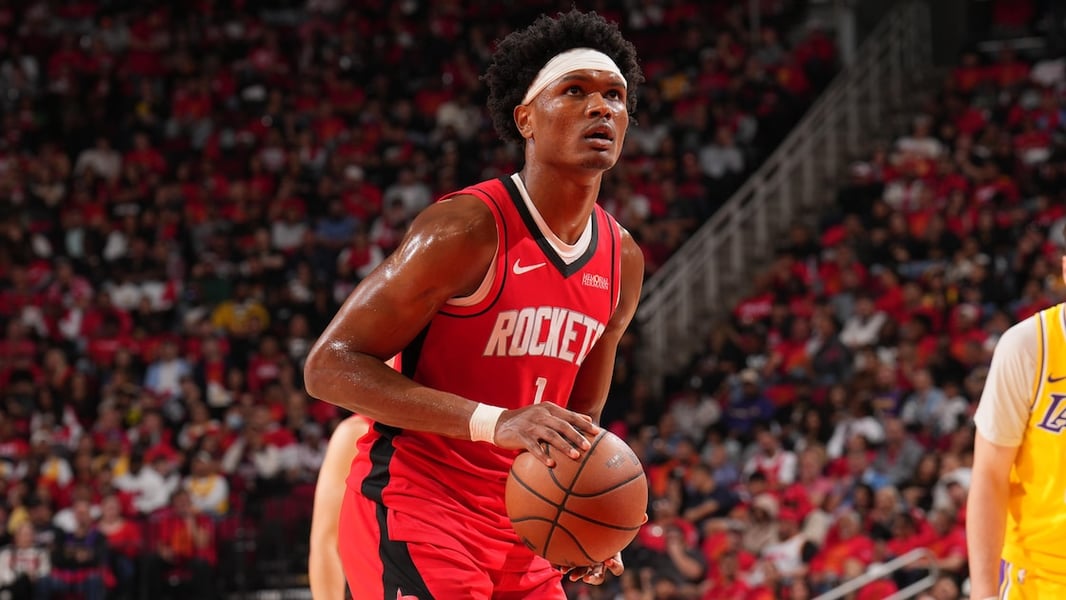
Victor Wembanyama’s Nike contract is set to expire. The terms of Wembanyama’s potential Nike renewal will reflect how the company values its highest-profile young athlete at a moment when its China exposure is creating financial pressure. The Hyperslide exists in a different register from that negotiation, but both belong to the same period in Nike’s commercial calendar: a summer of product launches and contract decisions arriving simultaneously with results that show the company’s largest single market in contraction.
September 29 will tell the market what the slide costs. That number, more than the product features, will determine whether the Hyperslide is a tool for the athlete who already uses Hyperice equipment or an attempt at broader consumer reach into the growing recovery segment.