
LONDON – Samsung put out two new watches at Unpacked this week, and for once the numbers actually mean something.
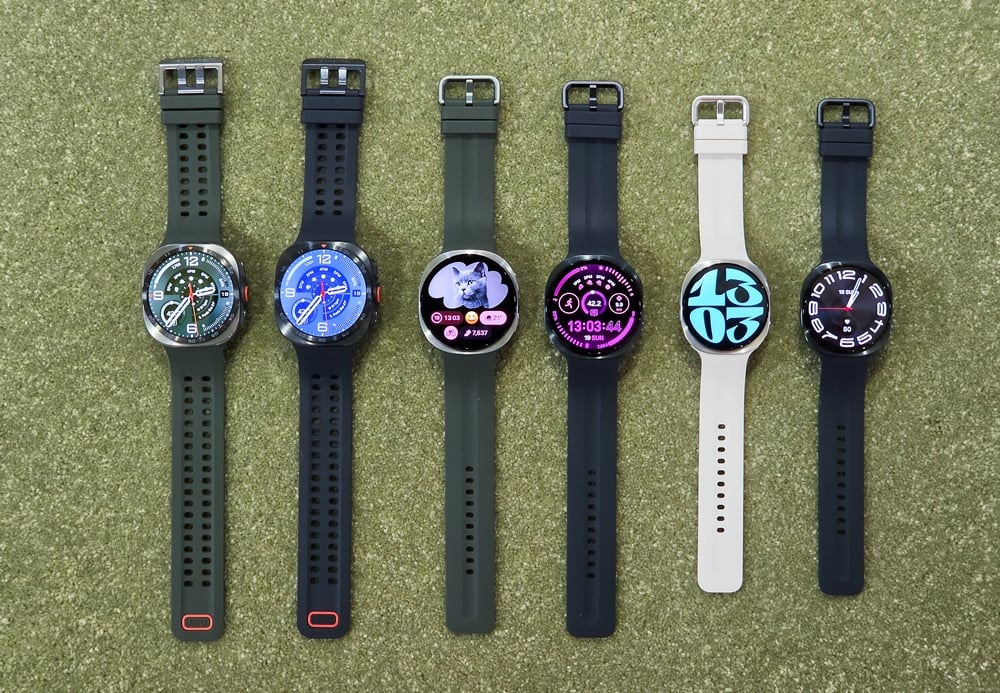
The Galaxy Watch Ultra2 arrives with 5,000 nits of brightness, the first smartwatch to reach that mark, meaning it is readable in direct sunlight without shielding your eyes or squinting. That is not a spec for its own sake: outdoor athletes who have watched their wrists go dark at noon will notice immediately. Samsung is pairing that with an 800mAh battery, a 35 percent increase over the previous generation, inside a body the company says is 12 percent thinner than the original Ultra.
The Watch Ultra2 runs on Qualcomm’s Snapdragon Wear Elite, a chip departure Samsung has long resisted. Whether Snapdragon’s power efficiency holds up against Google’s Wear OS over the long haul will not be clear until units are in consumers’ hands. Samsung declined to quote expected battery life in hours, which tends to mean the answer is complicated.
For divers, the Ultra2 earns EN13319 certification (the European standard for dive computers) alongside 10ATM water resistance. Samsung partnered with Mares, a French dive equipment maker, to build an advanced mode that tracks depth, time, and nitrogen saturation in real time. The watch also adds Trail Run with real-time elevation data and what Samsung calls “real-time hydration guidance,” though the company has not explained exactly how hydration is being measured from the wrist, a problem the industry has not solved.
The Watch9, positioned as the everyday-wear alternative, gets a 390mAh battery (20 percent more than its predecessor) and comes in 40mm and 44mm sizes. The more significant feature is Sleep Apnea detection, which has received De Novo authorization from the US Food and Drug Administration. That regulatory designation means the technology is novel enough that existing standards do not apply, and the FDA has nonetheless cleared it for consumer use. Samsung has been methodical about earning this kind of clearance, while Apple has often moved faster and faced more regulatory pushback in the process. The Watch Ultra2’s companion specs run alongside Samsung’s recently announced Galaxy Glasses with Gemini AI, which debuted at the same Unpacked event.
The Watch9 also introduces Heart Health Score, combining activity tracking, sleep quality, and stress data into a single number. Wearables have promised a unified health metric for years; Samsung’s implementation synthesizes three data streams rather than relying on heart rate variability alone, which most competitors treat as a sufficient proxy.
Samsung has not announced pricing for either watch, and has not said when they will go on sale beyond “later this year.” The company’s Unpacked events typically precede availability by four to six weeks.
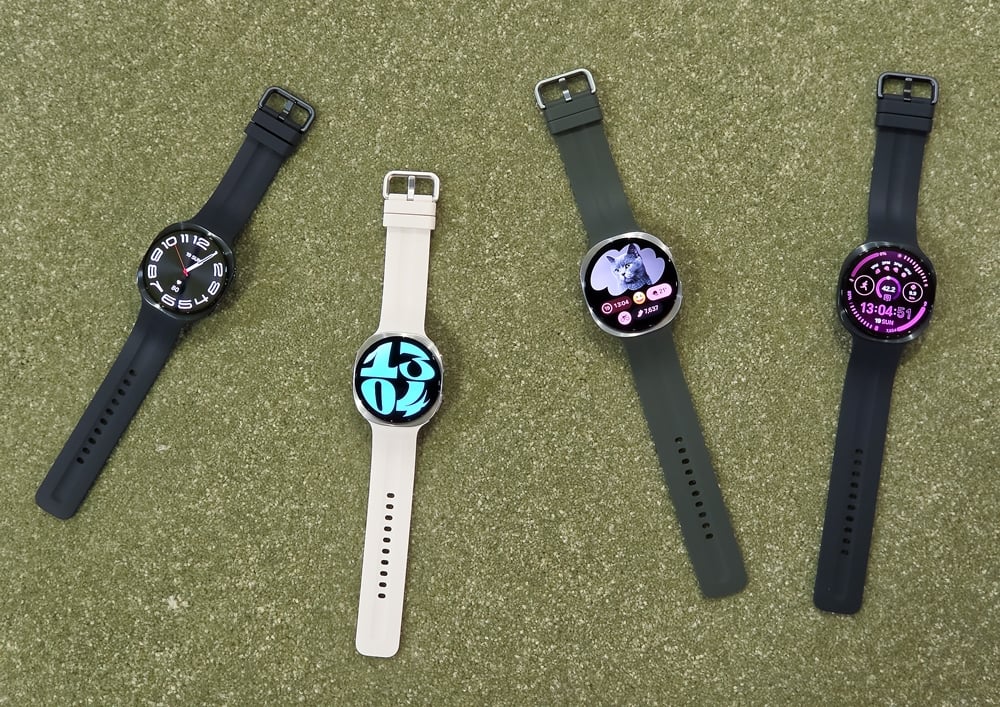
What is absent from the announcement is any Arm-based silicon from Samsung’s own Exynos division, which has powered earlier Galaxy Watch models. The Snapdragon pivot positions these watches closer to the Android ecosystem Google is building for Wear OS, but moves Samsung away from full vertical integration, something it has been comfortable maintaining in its flagship phone line, including the Galaxy Z Fold8 Ultra. The divergence in silicon strategy between its watch and phone lines is a deliberate segmentation, not a gap in capability.
The Ultra2 is aimed at a narrow but vocal market: outdoor athletes and divers who have been carrying two devices. If the Mares partnership produces a dive computer feature that matches what Garmin and Suunto offer, Samsung will have reached a user group its watches have barely touched. The rest of the smartwatch market, including casual wearers, fitness trackers, and notification readers, is looking at the Watch9, where Sleep Apnea detection and the FDA clearance may matter more than any hardware specification.
According to Samsung’s official Unpacked announcement, neither watch has pricing or delivery details confirmed. Samsung has historically released Unpacked pricing at the event itself; the decision not to do so this time, for watches launching from a phone-first showcase, is either a sign the numbers are not ready or a deliberate drip strategy aimed at extending the coverage cycle. Either way, buyers will be waiting.