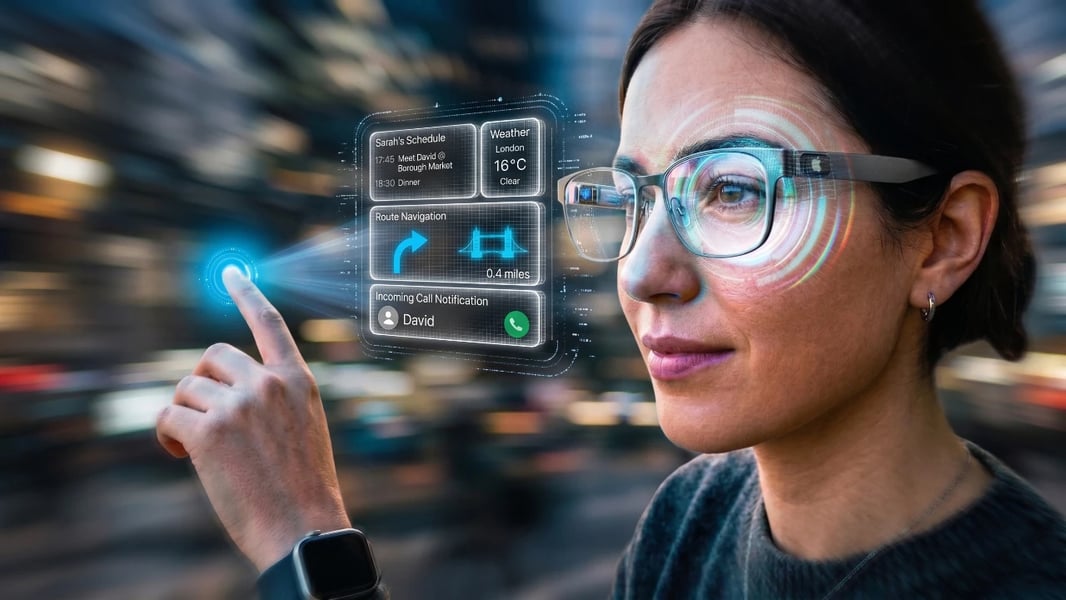

Apple’s next major computing leap may not involve a screen at all.
According to multiple new reports, the company is accelerating work on a pair of AI-powered smart glasses that could fundamentally reshape how users interact with technology. The most striking detail emerging from these leaks is Apple’s apparent reliance on Apple AI smart glasses may support hand gesture controls, a shift that signals a move away from traditional touch interfaces toward something far more ambient and intuitive.
This development adds to the growing wave of latest tech updates shaping the future of wearable AI devices.
At the center of Apple’s approach is a deceptively simple idea: if there is no screen, there is nothing to tap. Instead, users would control the glasses through physical gestures in the air, interpreted by a dedicated onboard camera system. Reports indicate the device will feature two cameras, one designed for capturing photos and video, and another lower-resolution lens tasked specifically with reading hand movements and feeding visual data into Siri.
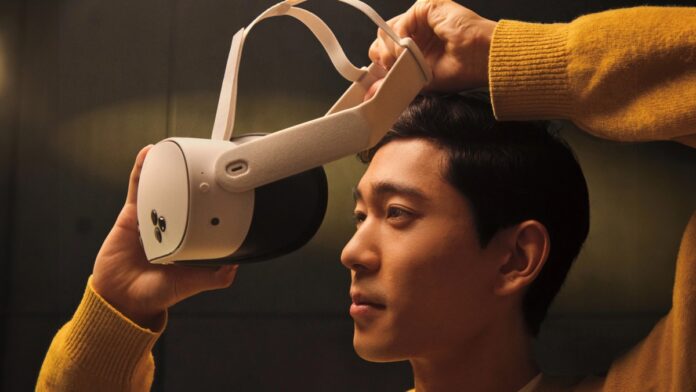
The concept is not entirely new within Apple’s ecosystem. The company’s Vision Pro headset already relies heavily on gesture-based navigation, allowing users to pinch, swipe, and select objects in mid-air. But bringing that same interaction model to lightweight, everyday glasses presents a far greater technical challenge.
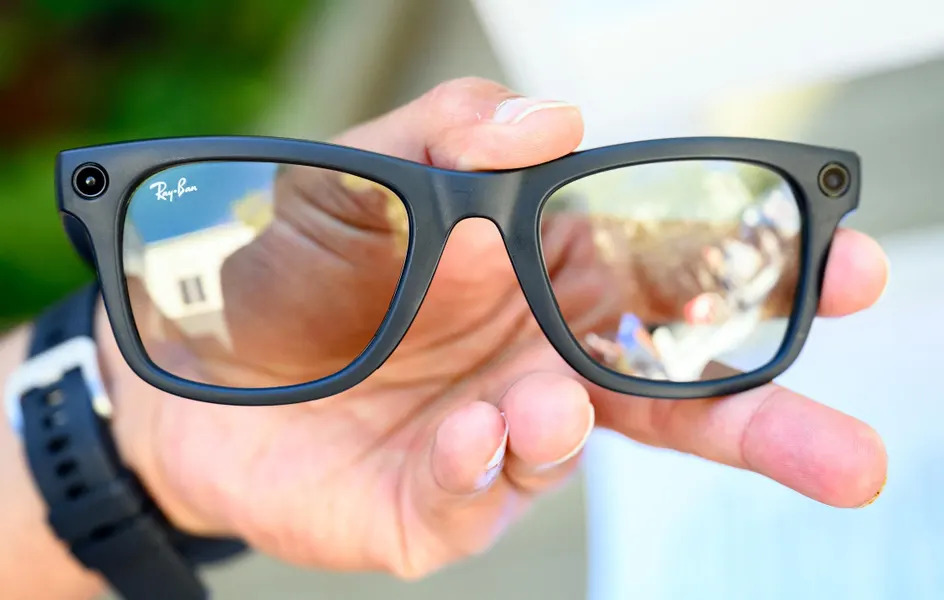
That decision may prove strategic.
By eliminating the display, Apple sidesteps one of the biggest barriers in smart glasses adoption: bulk. Instead of attempting to replicate the smartphone experience on a smaller screen, the company appears to be betting on what industry insiders increasingly call “ambient computing” technology that operates in the background, responding to voice, context, and now, potentially, subtle hand movements.
Gesture control, in this context, becomes essential rather than optional.
Apple’s long history with motion tracking and gesture patents supports this direction. Internal research and filings dating back years have explored how users might point at objects, interact with digital overlays, or even shop simply by gesturing toward real-world items. As Apple smart glasses could rely on gesture-based input with built-in cameras, these ideas appear to be converging into a consumer-ready product.
Still, skepticism remains.
Some analysts question whether reliable gesture recognition is feasible using a limited camera setup. Competitors like Meta have experimented with gesture input but often rely on additional hardware to achieve accuracy. Even industry observers have noted that interpreting fine hand movements with a single wide-angle lens could prove difficult in real-world conditions.
Apple, however, has a track record of entering markets late and refining existing technologies into more seamless experiences. The company’s approach here appears to follow a similar playbook: start with a focused, constrained feature set, then expand capabilities over time.
The glasses are also expected to integrate a more advanced version of Siri, turning the voice assistant into a central interface rather than a secondary feature. Users may be able to ask contextual questions about their surroundings, initiate calls, capture content, and receive real-time information all without pulling out a phone. Broader expectations suggest that Apple smart glasses will include cameras, AI features, and voice interaction, reinforcing the device’s role as a wearable AI companion.
In that sense, the device could function less like a display and more like an always-on assistant embedded into daily life.
The broader competitive landscape underscores the urgency of Apple’s push. Rivals are already advancing in this space, as seen in the Samsung Galaxy Glasses leak confirms One UI integration, which highlights how quickly the smart eyewear race is heating up.
At the same time, Apple’s growing AI momentum reflected in developments like Apple’s $599 M4 Mac mini vanishes worldwide as AI boom sparks unprecedented shortage suggests the company is building a broader ecosystem where wearable devices play a central role.
Timing remains uncertain, but current reports indicate that Apple is targeting a 2026 reveal and 2027 release for smart glasses, aligning with its long-term vision for next-generation computing platforms.
What that phase looks like is becoming clearer.
If smartphones defined the era of touch, and voice assistants introduced conversational interfaces, Apple’s smart glasses hint at a third paradigm one where interaction becomes nearly invisible. A glance, a gesture, a question spoken aloud. No screen required.
Whether that vision works in practice will depend on execution. Gesture recognition must be accurate, fast, and intuitive. Battery life must support all-day use. And perhaps most importantly, users must feel comfortable adopting a device that blends seamlessly into daily life while quietly observing it.
For now, the leaks offer only a glimpse. But they point to a future where the most powerful technology may be the kind you barely notice at all.