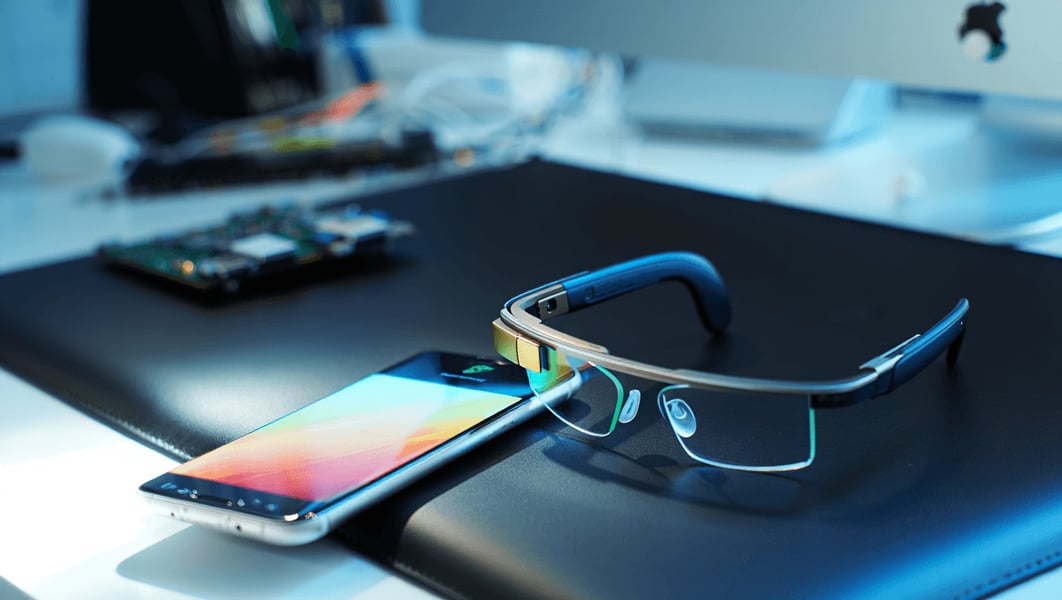

Samsung’s long-rumored entry into smart eyewear is rapidly shifting from speculation to near-confirmation, as a wave of leaks, firmware traces, and One UI references point to a coordinated launch strategy for its upcoming Galaxy Glasses.
The developments suggest Samsung is not only building hardware, but also embedding deep software support across its ecosystem well before the product is officially unveiled, reinforcing Samsung’s broader software push toward AI-driven experiences.
At the center of the latest findings is evidence that Samsung is already adding “Galaxy Glasses support” inside One UI, the company’s Android-based interface. The discovery strongly implies that the device is close enough to launch that system-level integration is already being tested, a move typically reserved for imminent hardware releases, as highlighted in recent Galaxy Glasses design leaks.
What initially appeared to be a routine software update has instead become one of the clearest indicators yet of Samsung’s wearable ambitions. According to firmware analysis, One UI now includes references to smart glasses pairing and quick-connect features, suggesting seamless integration with Galaxy smartphones.
The timing is significant. Industry reporting indicates that Samsung has been steadily preparing Android XR compatibility, positioning Galaxy Glasses as part of its expanding XR lineup alongside its existing headset efforts, with reports suggesting Samsung preparing Android XR smart glasses for a broader ecosystem rollout.
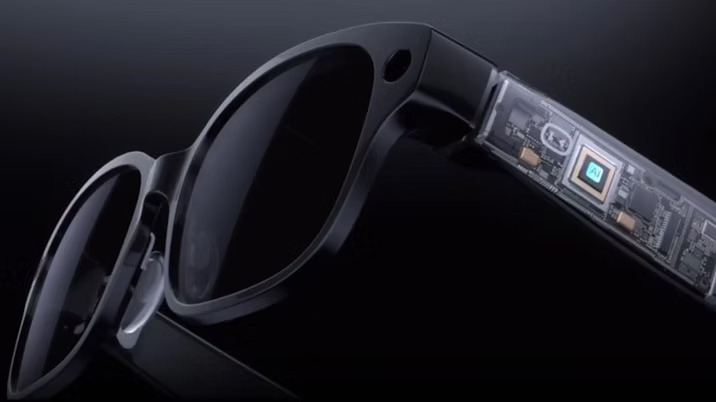
Multiple leaked renders show a minimalist design language that closely resembles Meta’s Ray-Ban smart glasses, but with subtle Samsung refinements. Early visuals from Samsung’s smart glasses images leak suggest a product built for everyday wear rather than experimental AR.
The glasses are expected to feature a lightweight frame, dual camera system embedded in the temples, directional audio, and a Snapdragon AR1 chip powering AI functions. Reports detailing the lightweight smart glasses design and specs suggest Samsung is prioritizing usability over complexity.
The design choice is deliberate. Samsung appears to be targeting mainstream adoption rather than early AR experimentation, focusing on audio, camera, and AI-driven interaction instead of heavy visual overlays. This reflects a broader Samsung’s evolving hardware strategy across its device lineup.
Perhaps the most important layer of the Galaxy Glasses ecosystem is software. The device is expected to run Android XR, Google’s emerging operating system for spatial computing, with deep integration of Gemini AI. This would enable real-time translation, navigation assistance, and contextual awareness powered by smartphone tethering.
Unlike earlier AR experiments that struggled with usability, Samsung’s approach appears focused on practical, everyday functions rather than immersive overlays. This shift also mirrors Samsung’s ecosystem shift toward Google services, signaling deeper collaboration on future platforms.
Leaks further suggest Samsung is preparing a dual-model rollout, including two Galaxy Glasses models Jinju and Haean, separating lightweight AI wearables from full AR devices.
Early pricing estimates place the entry-level model between $379 and $499, positioning it directly against Meta’s Ray-Ban smart glasses. The premium version, expected to include advanced display technology, could reach significantly higher price points, reinforcing Samsung’s ambition to dominate both segments.
The competitive landscape is rapidly evolving, with Samsung entering a space currently led by Meta but increasingly contested by major tech players. This intensifying race reflects broader competition in next-generation hardware design across the industry.
All signs now point toward a launch window in late 2026, with further confirmation coming from reports outlining the Galaxy Glasses launch timeline 2026. If accurate, Samsung is not just preparing a product launch, but laying the foundation for a long-term wearable computing ecosystem.
What began as scattered firmware clues in One UI is now forming into a clear narrative.Samsung is no longer experimenting with smart glasses it is preparing to define their next phase.