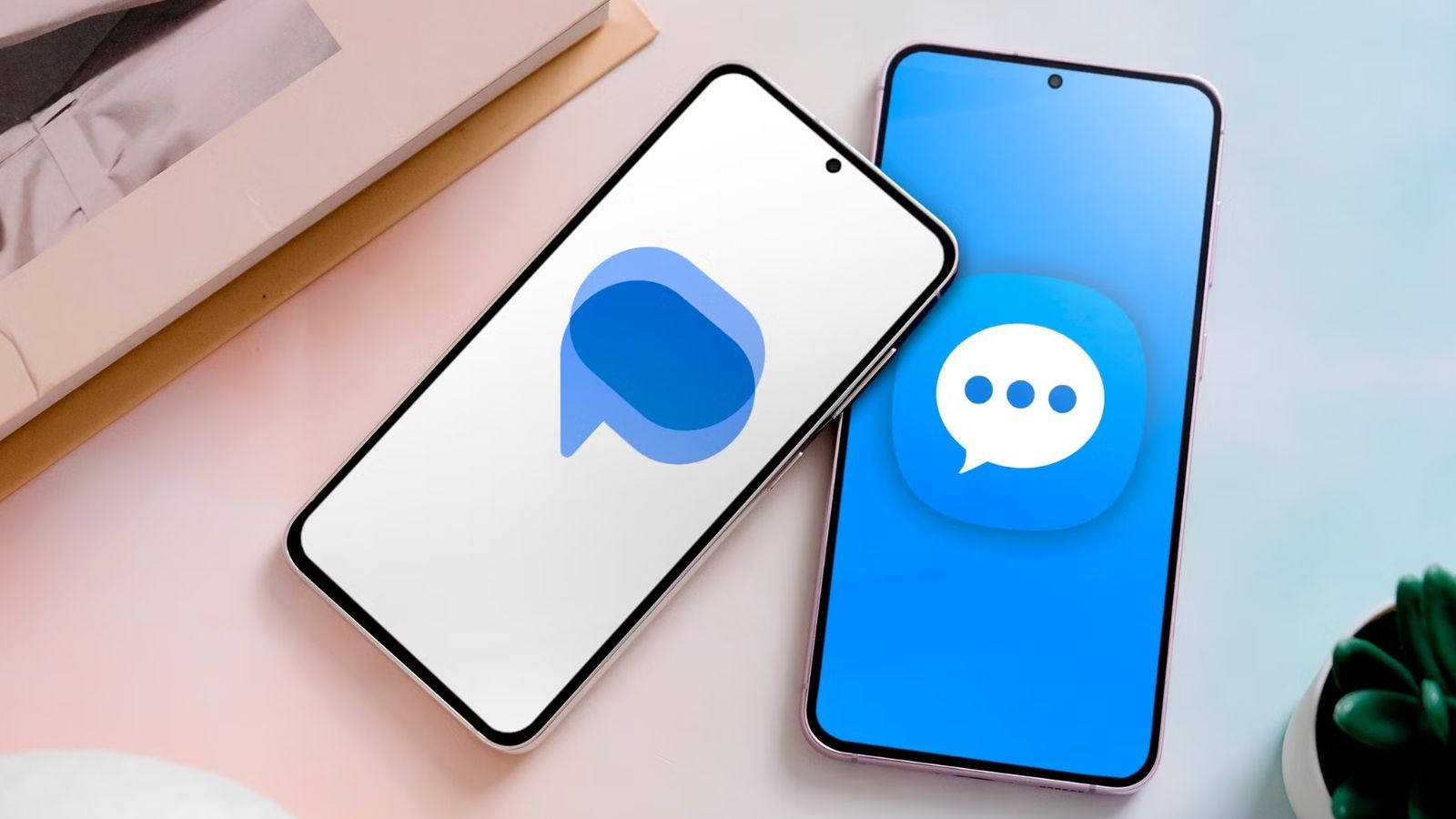

Samsung has confirmed it will discontinue its native Samsung Messages application in July 2026, marking a decisive end to one of the most widely used default apps on Galaxy devices and forcing millions of users to migrate to Google’s ecosystem.
The Samsung Messages shutdown in July 2026 is no longer speculative. The company has issued clear guidance urging users to switch, warning that the app will stop functioning for standard messaging once the deadline passes.
For many users, the change signals more than a routine app update. It represents a major shift in Android’s ecosystem one where Google takes firm control of messaging across devices.
A shutdown years in the making
Industry reports confirm that recent Galaxy smartphones already ship with Google Messages as the default option, underscoring the inevitability of the shift. This aligns with the broader move where Google Messages becomes the default messaging app on Galaxy devices.
By July 2026, Samsung Messages will no longer be available for download and will cease to function for everyday texting, except for limited emergency scenarios.
This effectively brings an end to Samsung’s standalone messaging ecosystem a rare move for a company known for maintaining its own software stack.
Google takes control of Android messaging
At the center of this transition is RCS messaging and Google’s Android ecosystem strategy, which aims to replace traditional SMS with a richer, internet-based communication experience.
RCS, or Rich Communication Services, enables features such as typing indicators, high-resolution media sharing, and advanced group chats, bringing Android messaging closer to Apple’s iMessage model.
Google Messages is now positioned as the unified messaging platform across Android, consolidating fragmented user experiences into a single, standardized app.
This evolution also ties into broader platform changes, including Android 17 latest update features and improvements, which continue to centralize core services under Google.
What users gain and what they lose
Google Messages offers a modern communication experience with RCS-enabled chats, AI-powered spam detection, and seamless syncing across devices.
At the same time, users are losing some of the customization that defined Samsung Messages. Features like themes, chat organization, and interface flexibility may not fully carry over.
While some users welcome the cleaner, more integrated experience, others see the shift as a forced migration with fewer choices.
Urgent migration: What users must do now
Samsung is urging users to act immediately to avoid disruptions.
Guides explaining how to switch from Samsung Messages to Google Messages recommend installing the app, setting it as default, and ensuring message history is properly transferred.
Although most data will migrate automatically, experts advise backing up important conversations. This is especially relevant given past concerns such as the deleted iPhone messages privacy flaw and broader risks highlighted in cases of encrypted messaging privacy loopholes exposed.
Failing to prepare could leave users without access to messages once the shutdown takes effect.
Not all devices affected equally
Samsung notes that older devices running Android 11 or earlier may continue to support Samsung Messages due to compatibility limitations. However, newer devices are fully transitioning to Google’s platform.
Meanwhile, advancements like encrypted RCS messaging between iPhone and Android suggest a future where cross-platform messaging becomes more seamless, even as control consolidates under fewer providers.
The end of choice?
The discontinuation of Samsung Messages reflects a broader transformation within Android.
Where manufacturers once differentiated themselves through proprietary apps, the ecosystem is now consolidating around Google’s services. Messaging, one of the most essential smartphone functions, is the latest to fall in line.
Samsung’s decision effectively hands control of a critical user experience to Google, simplifying the platform but reducing diversity.
For users, the change is immediate and unavoidable.
And for Android, it marks the end of an era.