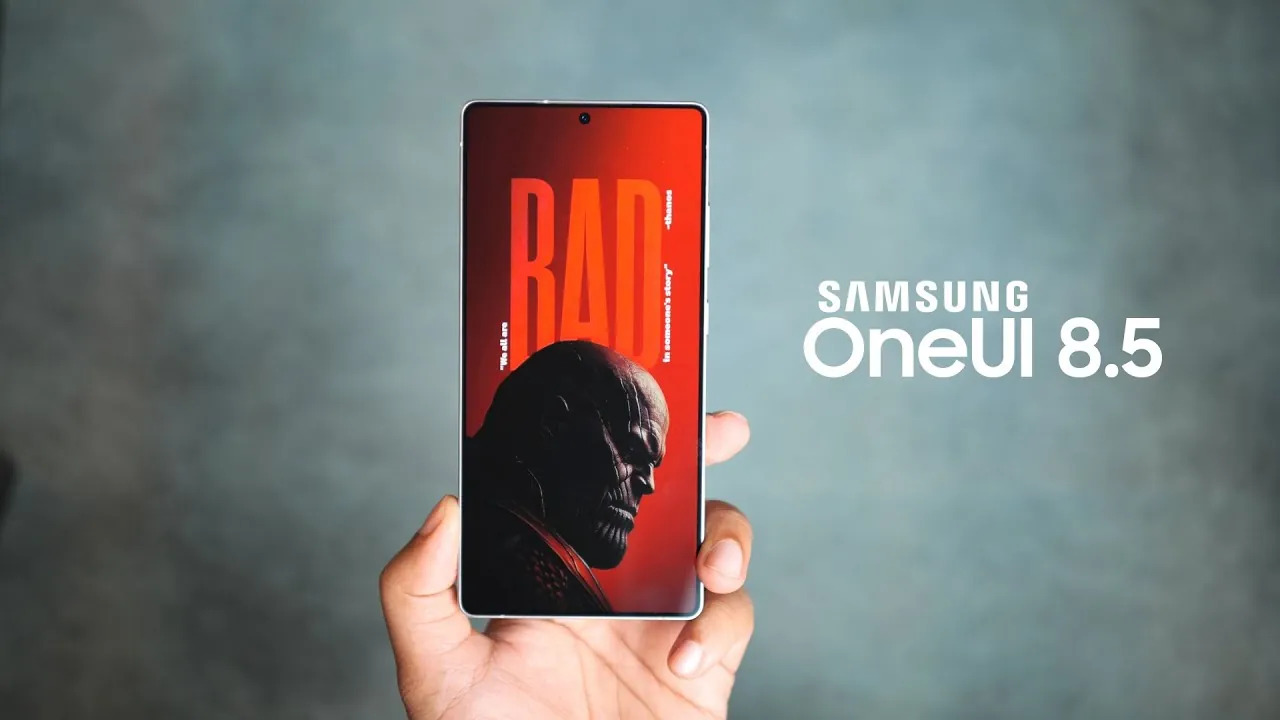

Samsung’s next big software leap is no longer limited to its newest flagship phones. With One UI 8.5, the company is preparing to push a wave of advanced artificial intelligence tools, previously reserved for the Galaxy S26, down to millions of existing devices, signaling a broader shift in how smartphone upgrades are delivered.
The update, built on Android 16, first appeared with Samsung’s latest flagship lineup but is now steadily expanding through beta builds and internal testing to older devices, including the Galaxy S25 and Galaxy S24 series. Early test builds already show clear signs that Samsung is accelerating its rollout timeline, with stable releases expected in the coming weeks for select markets.
At the center of this push is a clear strategy: make Galaxy AI tools the defining feature of the ecosystem, regardless of when users bought their device.
A software update that feels like a hardware upgrade
For years, smartphone innovation has been tied to hardware cycles. But One UI 8.5 challenges that pattern. By delivering AI-driven capabilities through software, Samsung is effectively turning older devices into something closer to its latest flagship experience.
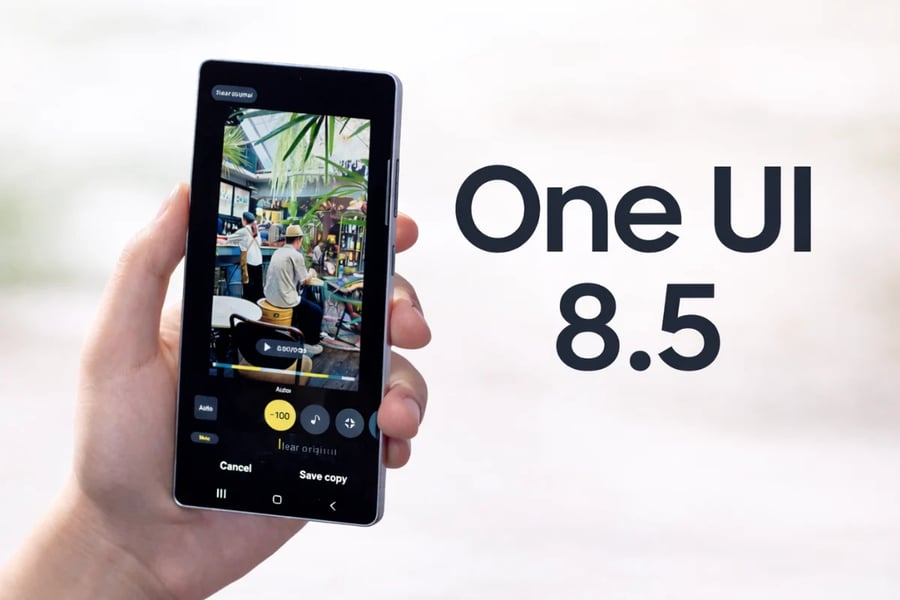
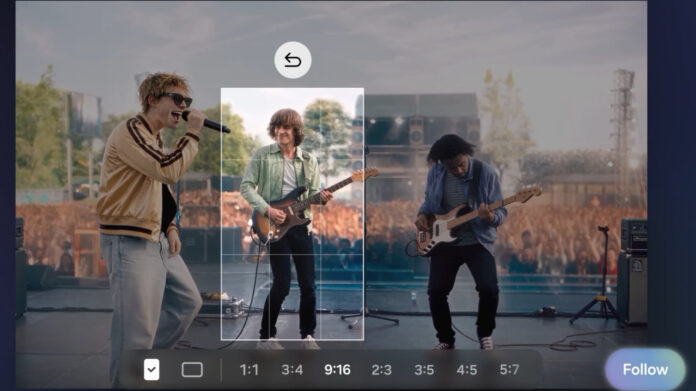
Another headline feature is an upgraded Photo Assist tool, which enables users to continuously edit images using generative AI without needing to save intermediate versions. This marks a significant leap in mobile photo editing, pushing smartphones closer to desktop-level creative workflows.
Samsung is also introducing additional AI features such as Audio Eraser and Creative Studio, further strengthening its position in AI-powered content creation. These tools aim to simplify complex editing tasks, allowing users to manipulate media with minimal manual input, as reported by SamMobile.
A smarter, more conversational Bixby
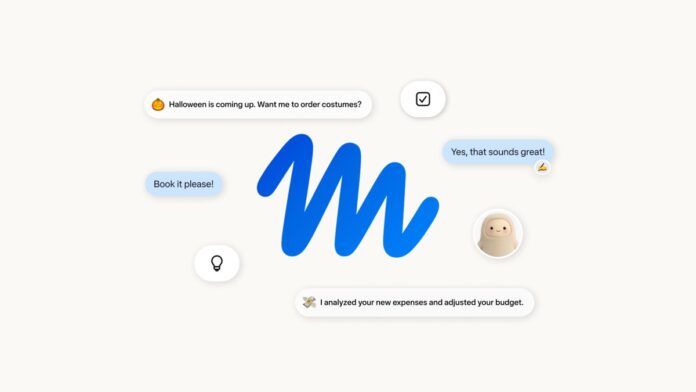
Samsung is also attempting to revive its voice assistant. In One UI 8.5, Bixby becomes more conversational, capable of understanding natural language and executing tasks without requiring users to navigate menus. The assistant now interprets user intent more effectively and can perform actions based on context, reflecting a broader push toward frictionless interaction.
This upgrade aligns with Samsung’s broader “AI phone” vision, where the device acts less like a tool and more like an intelligent intermediary between the user and digital services.
Design changes meet deeper customization
While artificial intelligence dominates the narrative, One UI 8.5 also introduces significant interface changes. Users can now customize the Quick Settings panel more freely, alongside visual refinements such as updated icons, cleaner layouts, and improved navigation.
These refinements are part of Samsung’s evolving software optimization strategy, which increasingly focuses on personalization and seamless user experience across devices.
Cross-device integration is also expanding, with features that allow smoother file sharing and device continuity. Security has also been strengthened with smarter protections against unauthorized access and suspicious app behavior.
Rolling out beyond flagship devices
Samsung’s rollout strategy suggests that One UI 8.5 will reach far beyond premium smartphones. While the Galaxy S25 series is expected to receive the update first, the company has already begun expanding beta access to older devices.
This reflects a broader shift in the Android update ecosystem, where software longevity is becoming just as important as hardware innovation.
However, not all features will be universally available. Hardware limitations—particularly around on-device AI processing—mean that certain advanced tools may remain exclusive to newer models.
The bigger picture: AI as the new upgrade cycle
What makes One UI 8.5 significant is not just its feature set, but what it represents. Smartphone makers are increasingly relying on software—and specifically AI—to drive user engagement and differentiation.
Samsung’s approach mirrors a broader industry shift, where updates are no longer incremental refinements but transformative upgrades. By bringing flagship-level AI features to older devices, the company is extending the lifespan of its ecosystem while strengthening user loyalty.
At the same time, it raises new questions about the future of hardware innovation. As competition intensifies—including Apple’s foldable ambitions—software intelligence may become the defining battleground.
For now, Samsung appears to be betting that intelligence—not just performance—will define the next generation of smartphones. And with One UI 8.5, that future is arriving not just on new devices, but on the phones already in users’ hands.