
CHICAGO — The rain held off long enough Friday morning for a 7-year-old in a Pikachu hat to catch a Shiny Mewtwo in Grant Park, and he was barely even surprised. It was the kind of rare, nearly impossible in-game find that older players could spend months chasing. Roque Raygoza Jr. of Oak Lawn announced what he had done and then said he was pretty much ready to go home.
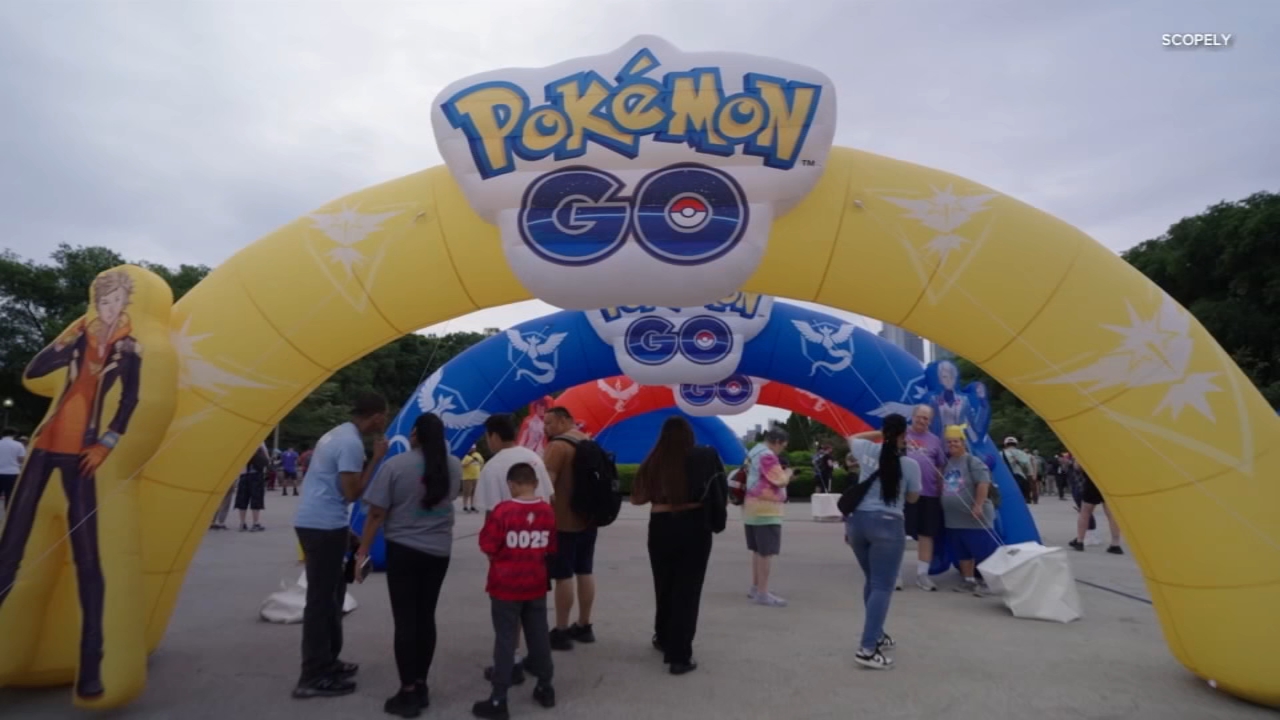
That moment captured something true about Pokémon GO Fest 2026, which returned to Chicago this weekend for the first time since 2019 and ran through Sunday at Grant Park as the centrepiece of a broader citywide augmented-reality event. The festival, organized to mark the mobile game’s 10th anniversary and the Pokémon franchise’s 30th, drew thousands of players from across the United States and beyond — and created a logistical flashpoint that forced organizers to suspend gameplay near Museum Campus for part of the weekend.
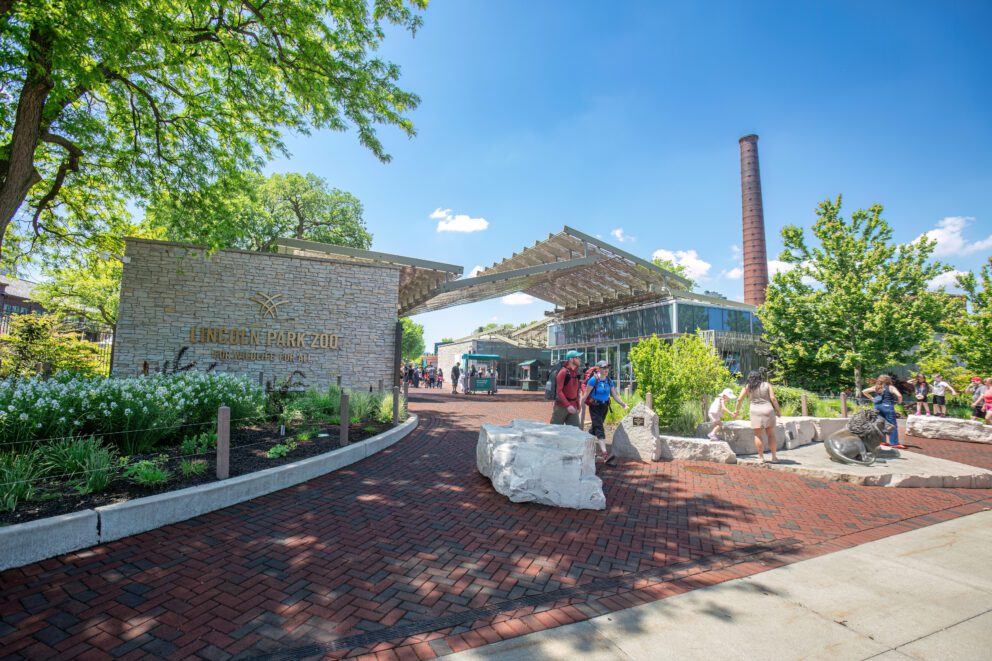
Pokémon GO Global Live Events Manager Divya Erram told ABC7 Chicago the city was a deliberate choice: the first three GO Fests in the United States were held in Chicago, and the 10th anniversary brought the event back home. This year’s iteration spread well beyond Grant Park, incorporating Lincoln Park Zoo as an official partner and Trainer Lounge in the event’s so-called Investigations District — a citywide play zone where participants could complete targeted research tasks, earn an Expert badge and unlock an encounter with Mewtwo by completing the Lincoln Park zone.
The zoo designated a tent near Eadie Levy’s Landmark Café as a rest and social hub, and hosted daily community meetups at 8 a.m. at Nature Boardwalk. Entry to Lincoln Park Zoo is free, which made it one of the more accessible anchor points for players who arrived from out of state. The Chicago History Museum and the Peggy Notebaert Nature Museum sat within walking distance of the same Investigations District zone.
The festival ran from 9 a.m. to 6 p.m. daily. Saturday temperatures reached nearly 80 degrees, according to ABC7 Chicago, which helped push attendance up through the weekend. The scene at Grant Park was one of organized chaos: players walked in every direction, phones out, competing in raid battles staged throughout the grounds, trading cards, and hunting the legendary and mythical Pokémon that the game makes available only during special live events.
What organizers had not fully anticipated was the collision of events along the lakefront on Saturday and Sunday. The Beyond Wonderland electronic music festival occupied nearby Northerly Island across both days, and the United States men’s national soccer team played Germany at Soldier Field on Saturday afternoon. The convergence produced a density problem. Organizers announced Saturday that gameplay had been suspended in all areas east of South Michigan Avenue, from south of Grant Park to slightly south of East Cermak Road — a corridor that included the Field Museum, which had been hosting both a Pokémon GO pop-up and the Pokémon Fossil Museum exhibit. Gameplay was suspended for part of Saturday and all of Sunday in that zone. Grant Park itself was unaffected.
The Field Museum’s physical Pokémon Fossil Museum exhibition remained open throughout the weekend. The real-world pop-up component — the one integrated into the GO Fest gameplay map — was the part that went dark.
The suspension was a logistical footnote in what was otherwise a smoothly run event — but it was also a reminder that GO Fest has always had to negotiate with the cities it occupies. The first Chicago event in 2017 was marked by server crashes and frustrated players who spent hours unable to log in. The 2026 version, by contrast, ran without reported technical failures. What the organizers could not engineer their way around was the basic fact that Chicago’s lakefront on a Saturday in June is a contested public space.
The game itself has changed considerably over the decade. When Pokémon GO launched in July 2016, it pulled millions of people outdoors in a matter of days — a behavioural response to an app that had no real precedent. The franchise had existed since 1996, when it debuted in Japan as a pair of Game Boy titles, and the trading card game that followed had made it a global phenomenon. But GO was something different: an augmented-reality layer over the real world that made any park, plaza or street corner a potential hunting ground. Players who had grown up on the Game Boy games found themselves walking unfamiliar neighbourhoods. Their children, now old enough to hold a phone, were learning the franchise alongside them.
That generational transfer was visible all over Grant Park on Friday. Taylor Wesley, 35, drove to Chicago from Missouri with his 7-year-old son, Landry. He said he had found his old trading cards a few years ago and they had been playing together since. Steve Tan, 42, of Bridgeport, recalled growing up with the game and then being pulled back in when his children — Steven, 7, and Stephanie, 10 — started playing. The Chicago Sun-Times documented several similar stories from the opening day crowd at Grant Park, where parents and children were navigating the same game from opposite angles: parents using nostalgia as the entry point, children using the parents as instructors.
Wesley, who said he had watched the franchise evolve over the years, offered a credible explanation for its staying power. The game’s designers have continued introducing new mechanics, new Pokémon generations and new event structures — like the GO Fest format itself — that give long-term players a reason to keep returning. Without that, he said, the interest would have collapsed years ago.
That observation has an economic dimension that the sources do not address. Pokémon GO’s operating company, Niantic, has not published official attendance or revenue figures for the 2026 Chicago event. What is known is that the franchise it draws from has become one of the most commercially durable properties in the history of the entertainment industry — and that live events like GO Fest have become a meaningful part of its revenue model, as players purchase event tickets, travel to host cities and spend money at partner venues. How much of that economic activity remained within Chicago’s lakefront corridor, and how much was displaced by the Museum Campus suspension, is not yet clear.
The broader gaming industry has been navigating its own pressures this year, with hardware costs rising and publishers reassessing live-service models. Pokémon GO occupies an unusual position in that landscape: it is a decade-old mobile title that has outlasted dozens of augmented-reality competitors and is still capable of filling a park in one of America’s largest cities for three consecutive days. The franchise’s 30th anniversary gives it a marketing hook this year, but the crowds in Grant Park were not there because of an anniversary. They were there because the game still works — and because, for a certain kind of family, catching a Shiny Mewtwo in Grant Park with your father is a reasonable way to spend a Friday in June.
Related Posts