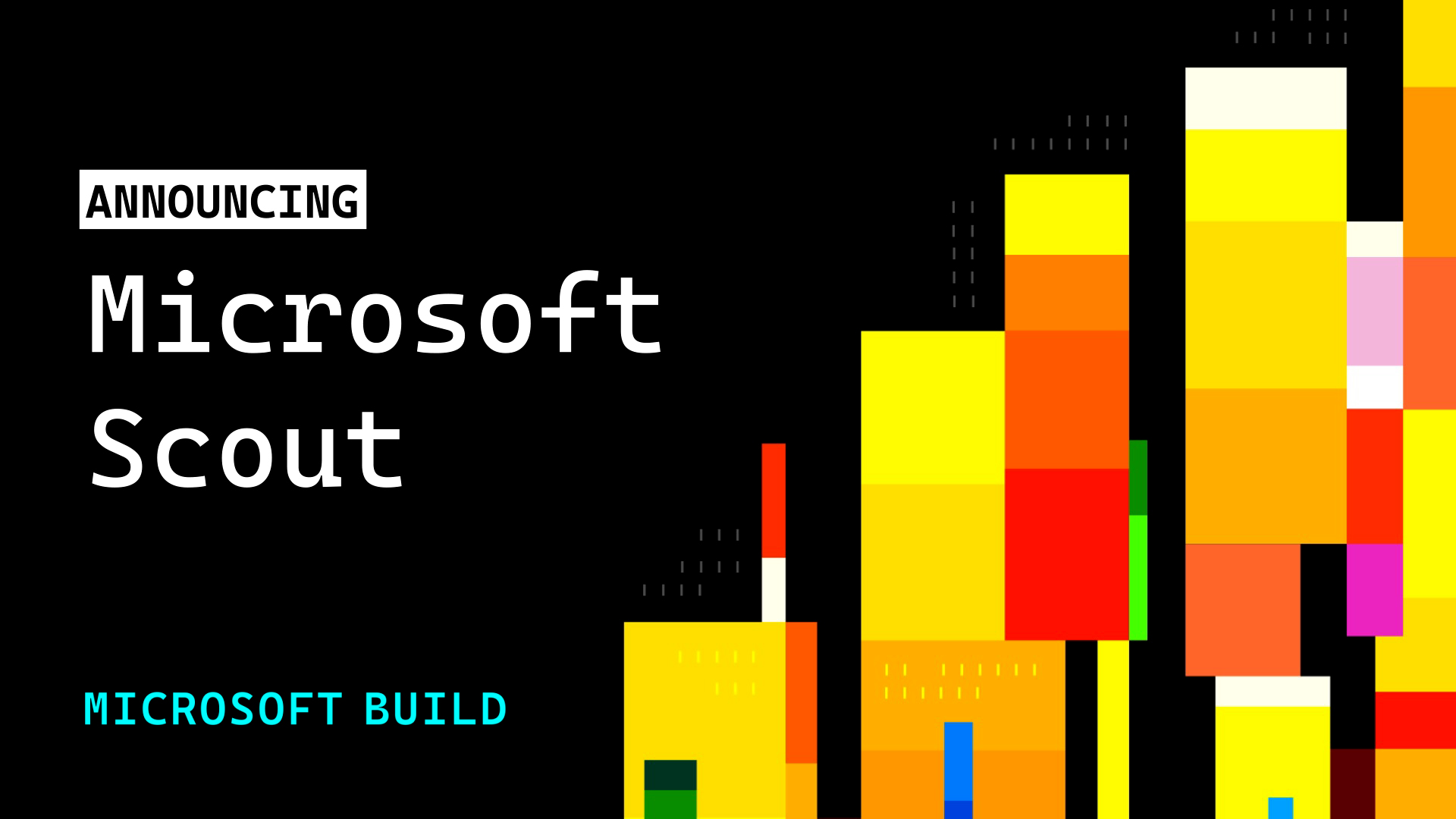
SAN FRANCISCO — On the morning Microsoft unveiled Scout, its new always-on AI agent, a different document about the same product was making its way through newsrooms. The internal strategy paper, obtained by 404 Media, listed the first phase of Scout’s rollout as a single imperative: make people addicted.
The word choice was deliberate, not accidental. The document — titled “ClawPilot: Overview and Plan with Project Lobster” — was credited to Omar Shahine and Jakob Werner, two senior Microsoft executives. Shahine is not a backroom strategist. He is a Corporate Vice President and the author of the official Scout launch post on Microsoft’s own website. The document, in other words, reflects the considered views of the people who built the product.
That context makes Satya Nadella’s response all the more difficult to credit. When The Information published an internal memo from the CEO rebuking the strategy, Nadella said he was “not sure what this document is or who is writing and leaking this nonsense.” He characterized making users addicted as “absolutely a non goal.” Within hours, 404 Media pointed out that Nadella knew precisely which senior members of his staff had written and signed the document.
The effect was less a rebuttal than a confession of a different kind. A CEO who oversees a product closely enough to write a pointed internal rebuke, but claims ignorance of the document that prompted it, is threading a needle few observers found convincing.
Scout itself is a significant product by any measure. Launched at Microsoft Build 2026, it represents the company’s most ambitious attempt yet to build an AI that persists across applications rather than answering isolated queries. Built on OpenClaw, the open-source framework that briefly swept through the AI engineering community earlier this year, Scout integrates with Teams, Outlook, OneDrive, and SharePoint. It monitors calendars, flags stalled decisions, blocks time for deliverables, and drafts preparation materials for upcoming meetings, all without being prompted. Microsoft describes this new category as an Autopilot: an always-on agent that carries work forward even when its user’s attention is elsewhere.
The addictive quality the leaked document described was not, by any fair reading, a plan for compulsive use. It was a business logic: users who build habits around Scout, train it on their work patterns, and come to depend on it for daily coordination, become difficult to displace. TechCrunch noted the same dynamic when reporting on the product’s design — the customization loop where an assistant learns from user behavior creates the same stickiness that has defined consumer AI adoption broadly. Microsoft’s internal document was describing a product strategy that virtually every major AI company is pursuing; it simply used an impolitic word for it.
Microsoft spokesperson Frank Shaw, in a statement provided to The Information, said Scout was built for “helping people accomplish tasks more effectively — not encouraging dependency. Our goal isn’t more screen time. It’s more time back.” That framing sidesteps the core tension: a product designed to become indispensable to a user’s daily workflow is, by definition, one the company hopes users will not want to live without. The question is whether the word “addictive” is a candid description of that goal or something qualitatively different from it.
Nadella’s memo also contained a detail that has attracted less attention than it deserves. In dismissing the strategy document, the CEO acknowledged that Microsoft’s own employees had been testing Scout internally — and that the product had already demonstrated exactly the high-retention, high-intensity engagement the leaked document described as its first-phase objective. That internal validation was listed in the strategy paper as evidence the addiction goal was achievable. Nadella’s rebuttal, in other words, inadvertently confirmed the document’s central claim: the approach was working.
Scout is currently in private preview, available to a narrow group of enterprise customers and participants in Microsoft’s Frontier early-access program. Access requires enrollment in Frontier, Intune policy configuration, and a GitHub Copilot subscription. The company says it is taking a “thoughtful approach to the rollout” while learning from early users. What the rollout will look like once it exits preview — and whether the enterprise security controls will hold against the kinds of unsupervised behavior that made OpenClaw’s early deployment chaotic — remains an open question Microsoft has not yet answered.
Scout is not the only company testing the boundaries of always-on AI agents. Google’s Gemini Spark, which launched weeks earlier, pursues a structurally similar model: a persistent agent that operates continuously across a user’s device environment. The race to own that relationship — to be the AI a professional trusts with their calendar, their inbox, their deadlines — is the central contest in enterprise AI right now. Scout’s leaked document, whatever embarrassment it caused in Redmond, described that race with unusual candor.
What Microsoft has not explained is how a document prepared by the Corporate Vice President who runs Scout and presented as a strategic plan could have reached the press without Nadella being aware of its existence. The CEO’s claim of ignorance may be technically accurate — he may not have read the specific document — but it raises a question about how closely Microsoft’s top leadership is tracking the strategic framing its most senior product officers are using internally. That gap, more than the word “addictive,” is the one that matters for investors and enterprise customers evaluating Scout as a trusted system to run autonomously across their organizations.
Microsoft has not responded to requests for clarification on the apparent contradiction between Nadella’s memo and the strategic document’s authorship.