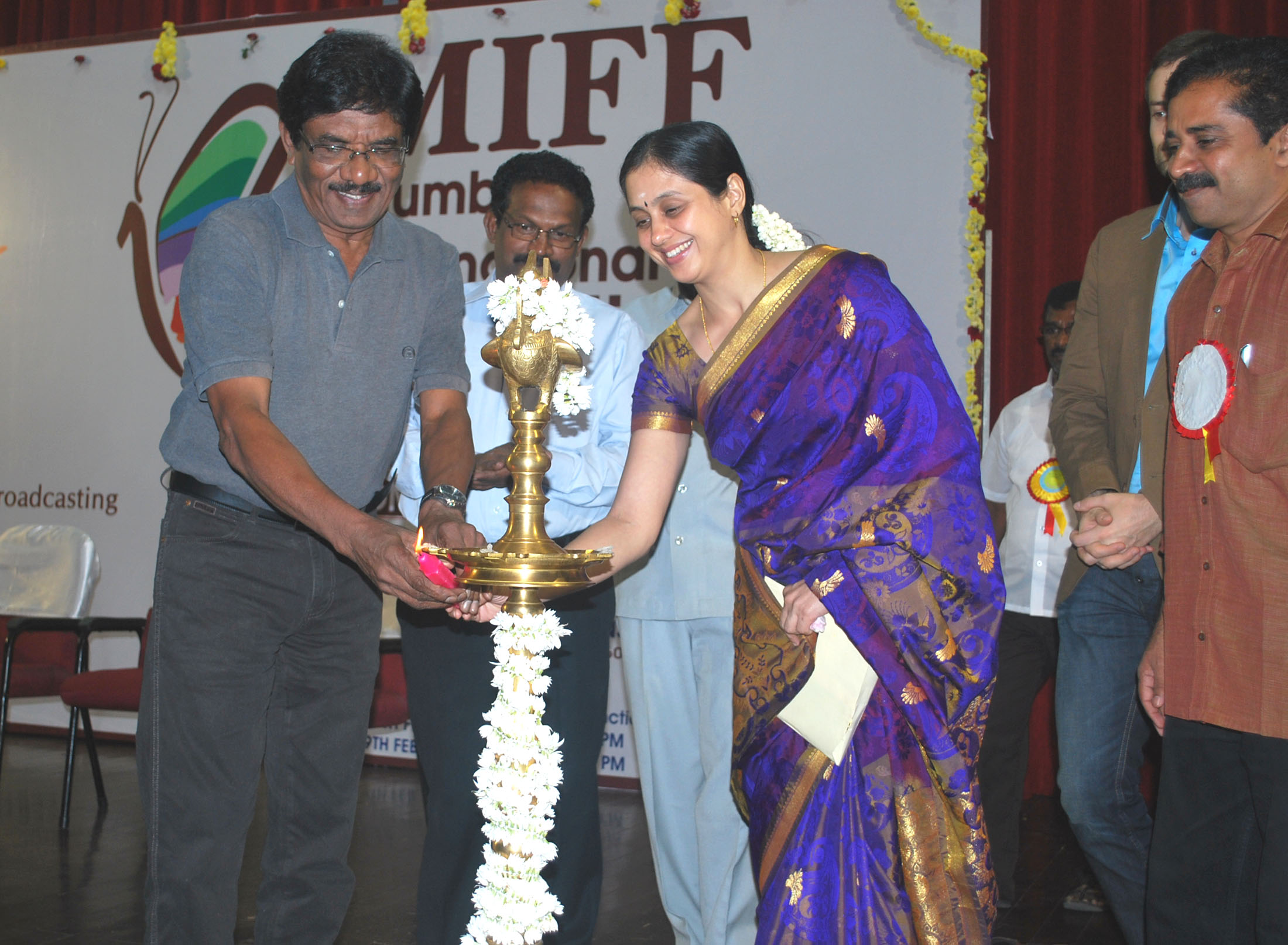

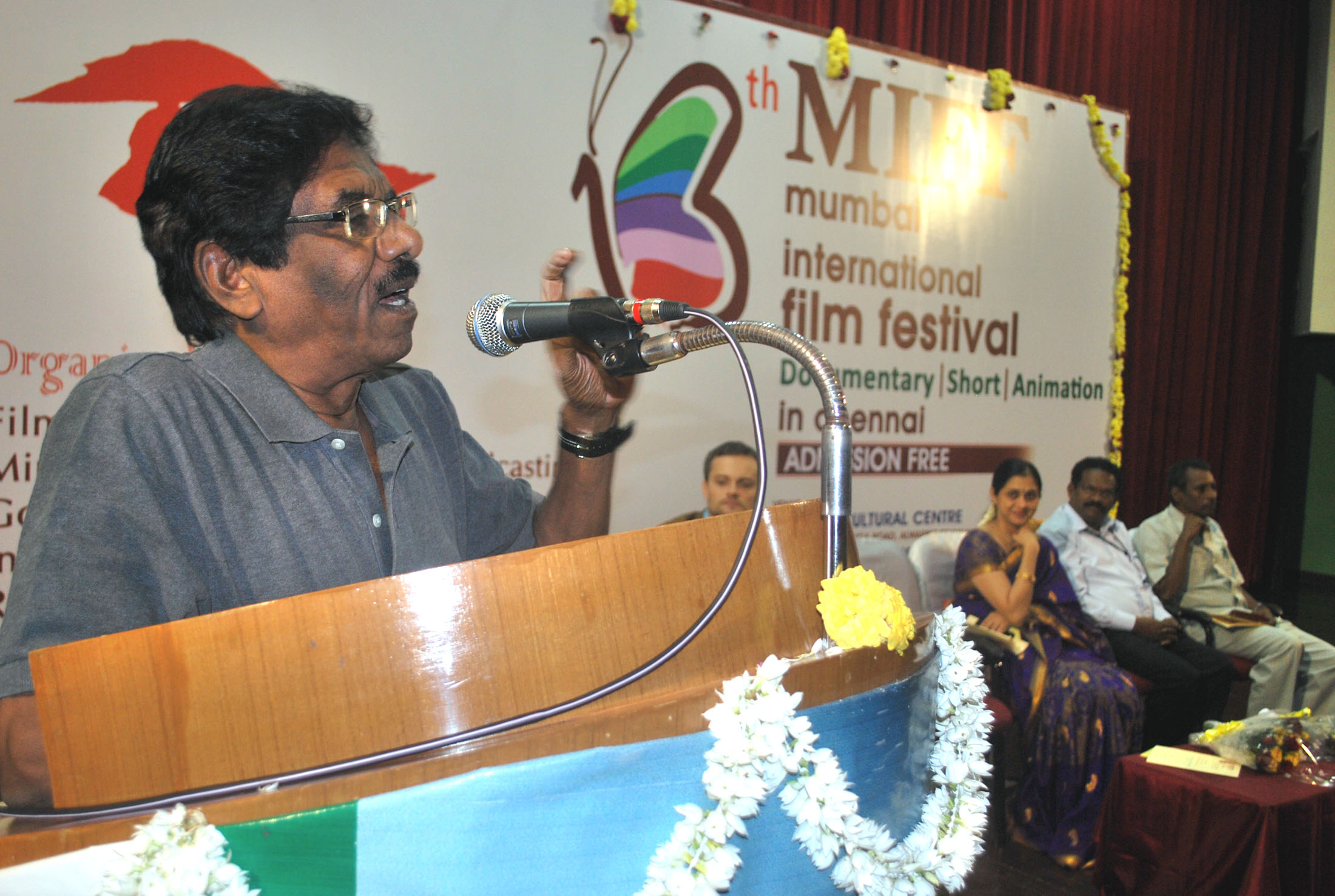
CHENNAI — In 1977, a first-time director walked the Tamil film camera out of the painted studio floors of Madras and planted it in the red soil of a village. Tamil cinema never entirely came back indoors. Bharathiraja, who made that walk with “16 Vayathinile” and spent the next five decades as the medium’s great rural conscience, died at his home in Chennai on Wednesday morning. He was 84.
His death, after a long stretch of failing health, was confirmed in reports across the Tamil press and carried by Ada Derana and Indian outlets within the hour. He had been hospitalized in December with breathing difficulties, and the exact cause of death has not been announced.
The scale of what he changed is hard to overstate. Before “16 Vayathinile,” the village in Tamil film was a backdrop built on a soundstage; after it, the village was the subject. The debut put a teenage Sridevi, a pre-stardom Kamal Haasan and a menacing young Rajinikanth in an actual rural landscape and let the dust and cruelty of it shape the story. Nearly fifty years later, the industry’s biggest hits still stand on that ground, down to this month’s village-set juggernaut “Peddi,” which crossed 260 crore rupees in its first week.
Born in Theni district in 1941, he arrived in films sideways and late, and then made up for it with volume and fury, directing some 40 features. Tamil cinema gave him the honorific “Iyakkunar Imayam,” likening him to the Himalayas, and audiences knew him by his voice before his face: the opening credit he spoke over his own films, addressing “en iniya Thamizh makkale,” my beloved Tamil people.
The films that followed the debut refused to settle into one register. “Sigappu Rojakkal” in 1978 was an urban psycho-thriller that handed Kamal Haasan one of his darkest roles. “Alaigal Oivathillai” and “Kaadhal Oviyam” made romance pastoral and doomed. “Mudhal Mariyathai” in 1985 gave Sivaji Ganesan, the most theatrical of Tamil stars, his most restrained late performance, as a village elder in love outside his marriage. “Vedham Pudhithu” in 1987 went after caste orthodoxy directly, and “Karuththamma” in 1994 confronted female infanticide with a young A. R. Rahman scoring the grief.
His sets doubled as a school. K. Bhagyaraj and Manivannan, who became major directors in their own right, came out of his unit, and his decades-long partnership with composer Ilaiyaraaja produced one of Indian cinema’s defining director-composer canons, scores so embedded in Tamil memory that the films and the songs are no longer separable.
When the directing slowed, he refused to leave the frame. He turned actor with a quiet ferocity, in Mani Ratnam’s “Aayutha Ezhuthu,” in “Eeswaran” and “Thiruchitrambalam,” in the 2024 hit “Maharaja” and last year’s Malayalam blockbuster “Thudarum.” He directed a segment of “Modern Love Chennai” for streaming in his eighties, and leaves behind a final film, “Pulavar,” still unreleased.
The last years were heavy. His son, the actor Manoj Bharathiraja, died of a cardiac arrest at 48, a loss those around the director said he never fully absorbed. His own health declined visibly afterward, through the December hospitalization and the months of quiet that followed.
Tributes began arriving within the hour on Wednesday, from the industry his assistants now run and the stars his camera made. The formal arrangements, and word of whether “Pulavar” will reach theaters as his farewell, had not been announced by mid-morning, and his family had yet to issue a statement.
What endures is simpler than any of it. Somewhere in almost every Indian film that opens on a dirt road instead of a drawing room, there is a debt to the man who insisted, in 1977, that the camera belonged outside. His beloved Tamil people heard him say it at the start of every picture. On Wednesday, for the first time in five decades, the voice went silent first.