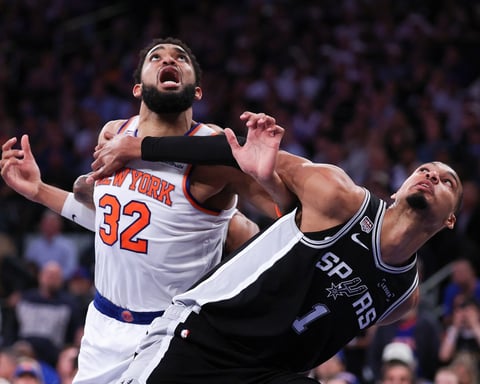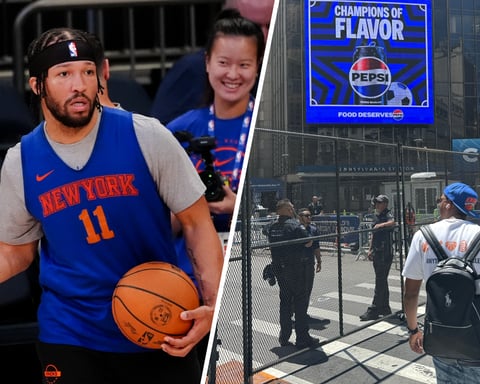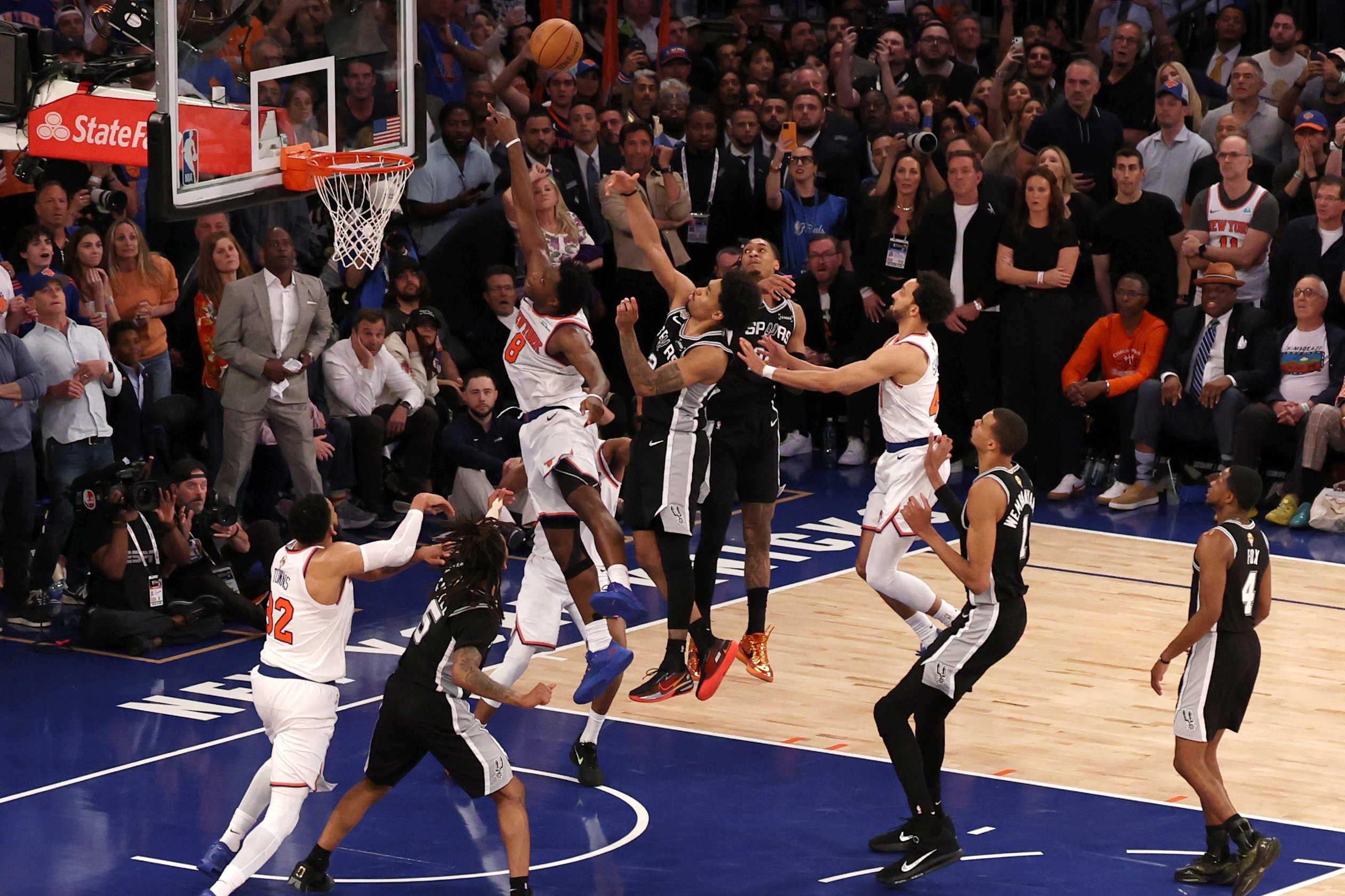

NEW YORK — The shot that may end a 53-year wait was not really a shot at all. Jalen Brunson’s three-pointer was short, clanging off the front rim, and OG Anunoby was already drifting up the lane between two San Antonio defenders, unaccounted for at the most important moment of the season. He reached out his right hand and pushed the ball through the net with 1.2 seconds left, and Madison Square Garden made a sound it has been saving since 1973.
The tip-in finished a 107-106 win over the Spurs on Wednesday night and the largest comeback in NBA Finals history. The Knicks trailed by 29 points early in the third quarter. They lead the series 3-1, and they will try to clinch the franchise’s first championship since 1973 in Game 5 on Saturday night in San Antonio.
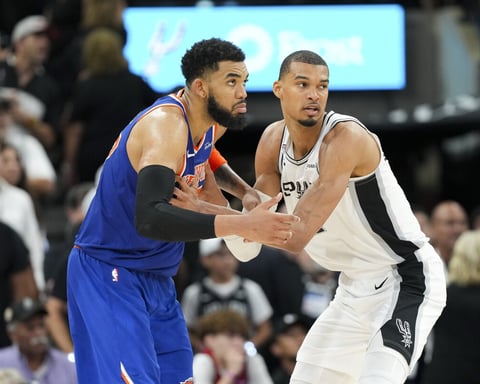
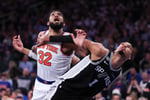
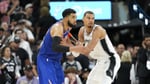
The play itself was an accident of attention. With twelve seconds left Anunoby blocked De’Aaron Fox at the rim to keep the deficit at one, and on the other end Victor Wembanyama switched out onto the ball, leaving the paint unattended. Anunoby said afterward that when the shot went up he was free, with no one boxing him out, which is the flattest possible description of the play his own coach immediately called “the most iconic shot in the history of New York basketball.” Mike Brown was not obviously exaggerating.
The improbability deserves its numbers, properly attributed. With 9:33 to play and San Antonio up 20, ESPN Analytics put New York’s win probability at 0.4 percent, one chance in 250. The Spurs’ 27-point halftime lead was the largest any road team has held in a Finals game. Both of those records died in the same building on the same night, according to ESPN.
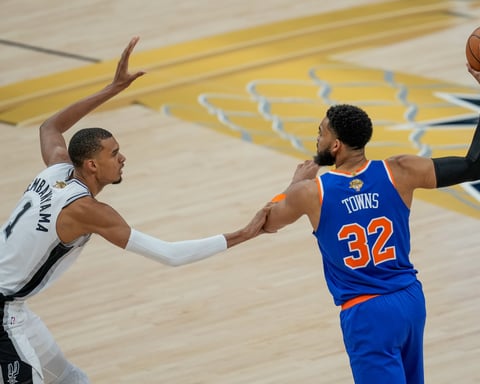
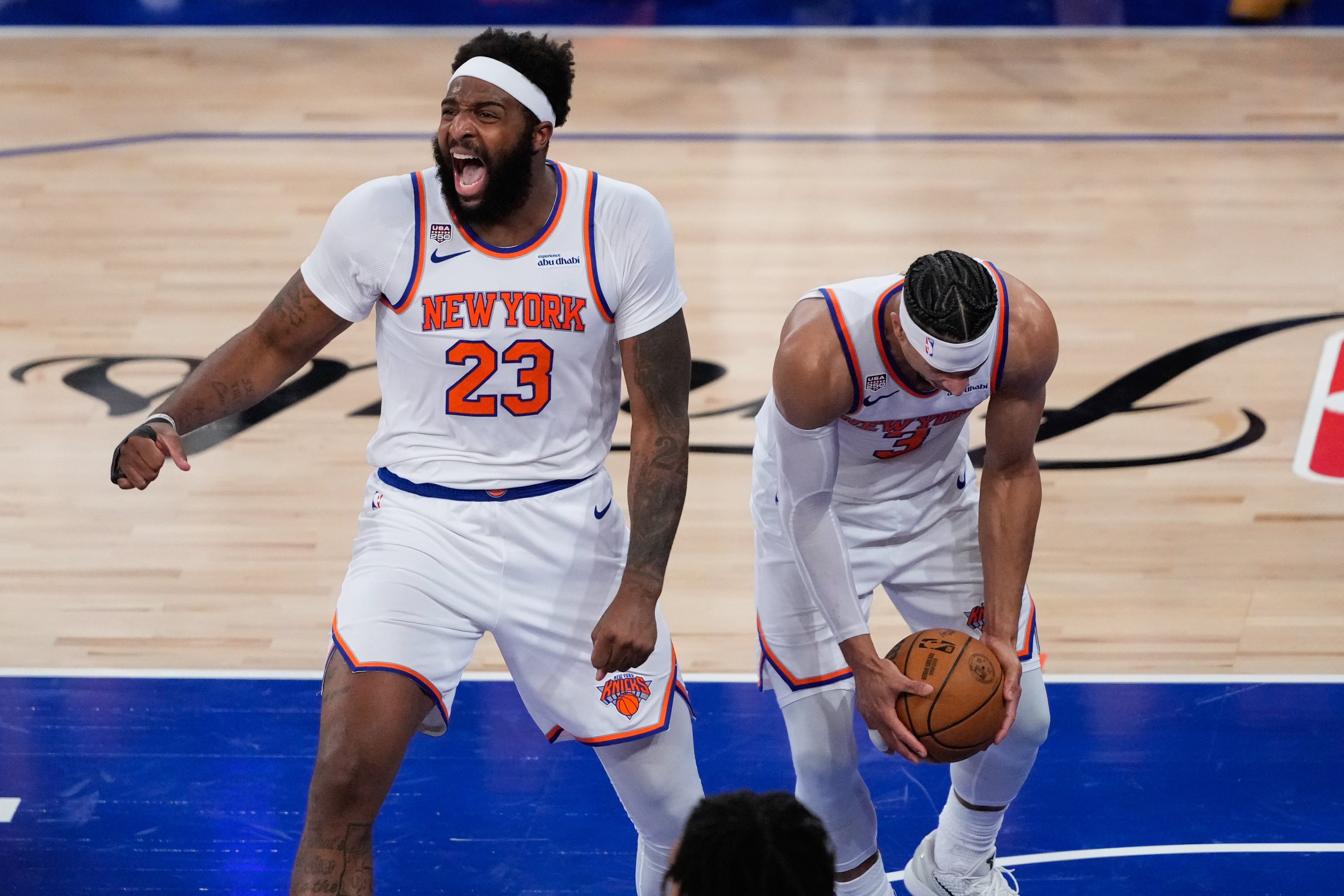
Anunoby and Brunson carried the recovery almost alone. Anunoby scored a playoff career-high 33 points on 10-for-15 shooting, 7-for-9 from three, to go with the block that saved the game. Brunson added 36 on the kind of late-game diet that has defined his New York years, a three over Wembanyama, a contested floater over Stephon Castle. The Knicks took the fourth quarter 32-11. Karl-Anthony Towns, hounded by foul trouble all night, gave them five points in under a minute when the rally needed oxygen, and Jose Alvarado threw in five straight when San Antonio threatened to pull away again.
What happened to the Spurs after halftime belongs in a different genre. Thirty second-half points, tied for the steepest offensive collapse of any playoff game in the shot clock era. They shot 5-for-22 on twos and 3-for-17 on threes after the break. Wembanyama, magnificent early, went 3-for-14 in the second half and missed two free throws with his team up one in the final minutes, playing 44 minutes with a total of 58 seconds of rest after halftime. Fox, Castle and Dylan Harper each finished the second half with more turnovers than field goals. Coach Mitch Johnson said his team “got away from playing the brand of basketball that got us the lead,” and that the early conviction “dissipated,” which is the polite version of what 20,000 people watched happen in real time, as CNN reported.
The night rewrote the series’ emotional ledger. Three days ago the Spurs had silenced the Garden and cut the series to 2-1, and New York spent two days asking whether its young core had been figured out. The Game 4 question was whether the Knicks could restore order. They answered it by losing the first half by 27 and then playing the most consequential 24 minutes of basketball in the franchise’s modern history.
The wait this team is trying to end has its own mythology. The last Knicks championship belongs to the 1973 team of Dave DeBusschere, a roster that has hovered over every New York season since. One more win retires the ghost. The Spurs, for their part, must now win three straight against a team that just survived a 1-in-250 night, with a 22-year-old superstar who played the second half on fumes.
Nothing is finished. Teams up 3-1 have lost the Finals exactly once, and that asterisk lives in Cleveland. But the image New York carries to Texas is settled: Anunoby rising between two defenders nobody told to find him, one hand on the ball, 1.2 seconds on the clock, and 53 years of waiting suddenly down to one win.