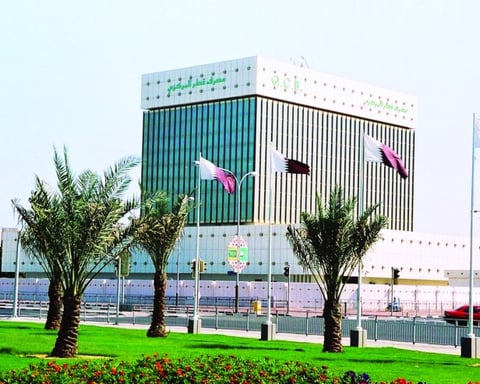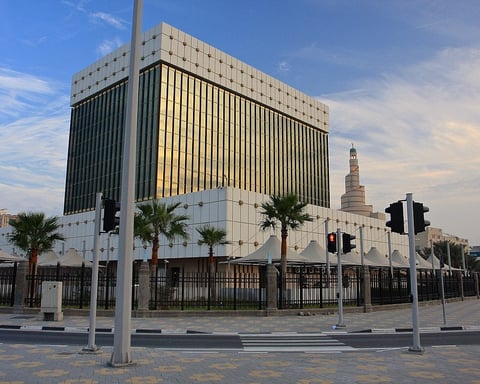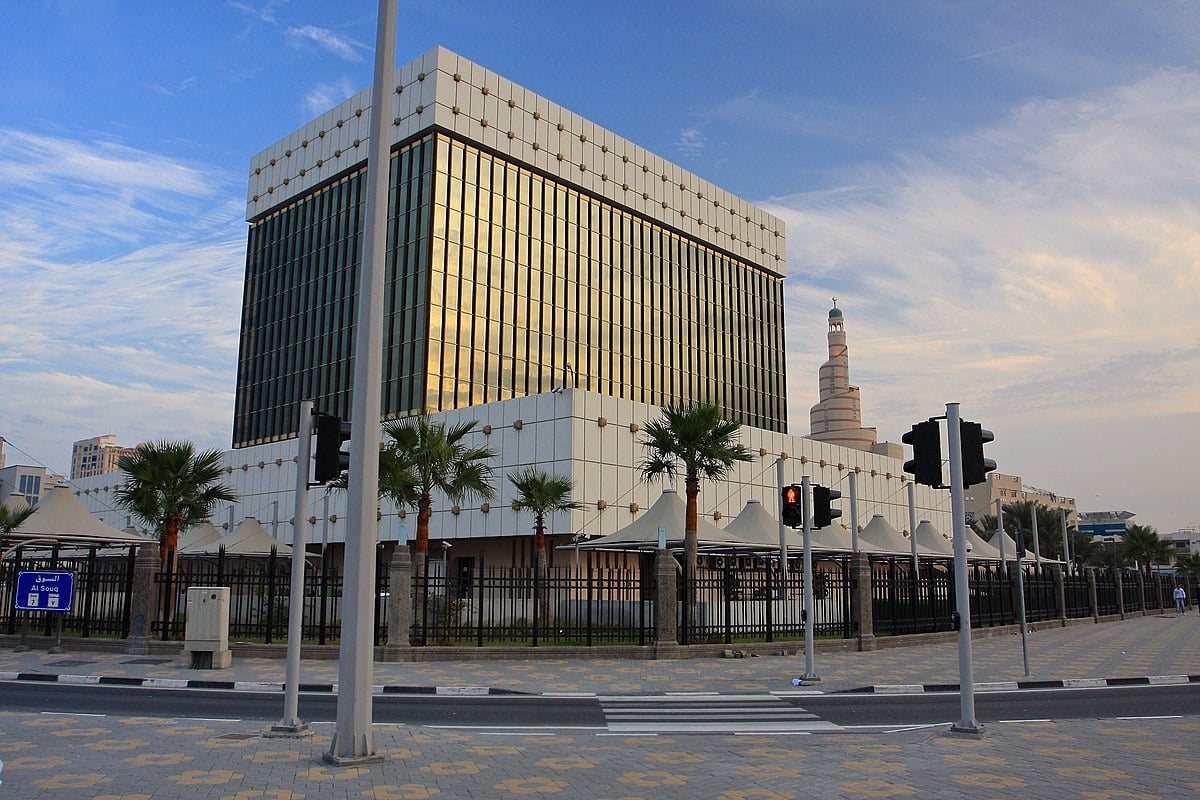

International reserves and foreign currency liquidity of the Qatar Central Bank jumped last February to reach 234.946 billion riyals, an increase of 11.7 percent, compared to 210.395 billion riyals in the same month last year. The figures issued by the Qatar Central Bank today showed an increase in its official reserves at the end of last February, compared to what it was at the end of the same month last year, by about 23.642 billion riyals, to reach 176.849 billion riyals, driven by the increase in the central balances of bonds and foreign treasury bills. About 17.065 billion riyals, to the level of 139.862 billion riyals in February 2023. The official reserves consist of main components, which are foreign bonds and bills, cash balances with foreign banks, gold holdings, special drawing rights deposits, and the share of the State of Qatar in the International Monetary Fund. In addition to the official reserves, other liquid assets (representing deposits in foreign currency), so that the two together constitute what is known as "total international reserves". On the other hand, the balance of special drawing rights deposits from the share of the State of Qatar in the International Monetary Fund decreased at the end of last January by 252 million riyals, compared to February 2022, to reach the level of 5.248 billion riyals. Balances with foreign banks decreased by about 1.349 billion riyals to the level of 12.221 billion riyals at the end of February 2023, compared to January of last year. On the other hand, gold stocks rose by the end of February 2023 by about 8.178 billion riyals to 19.517 billion riyals.