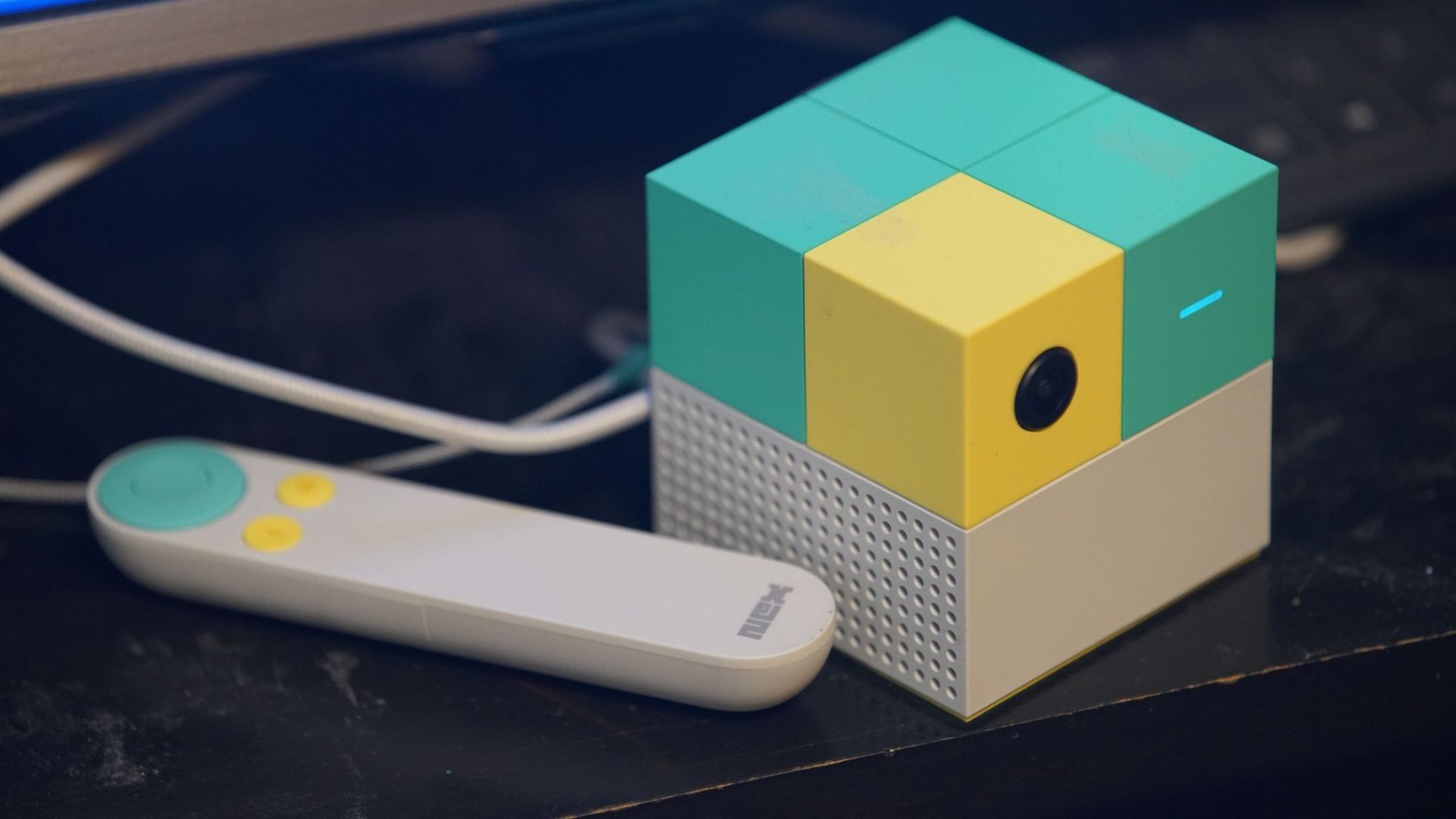

The gaming industry rarely welcomes a new hardware challenger. For more than two decades, the console market has largely revolved around Nintendo, Sony and Microsoft, with few newcomers managing to gain meaningful traction. That makes the arrival of Nex Playground in the United Kingdom one of the most intriguing gaming stories of 2026.
Launching across the UK and Ireland on June 22, Nex Playground is not trying to compete with the PlayStation 5, Xbox Series X, or Nintendo Switch 2 on graphics, processing power or blockbuster exclusives. Instead, the company is targeting an entirely different audience: families looking for active, shared entertainment that gets children away from tablets and smartphones and moving around the living room.
The device uses a built-in wide-angle camera and AI-powered motion tracking technology to turn players themselves into the controller. There are no handheld controllers, wearable accessories or virtual reality headsets required. Players jump, dance, swing, run and gesture in front of their television as the system tracks their movements in real time.
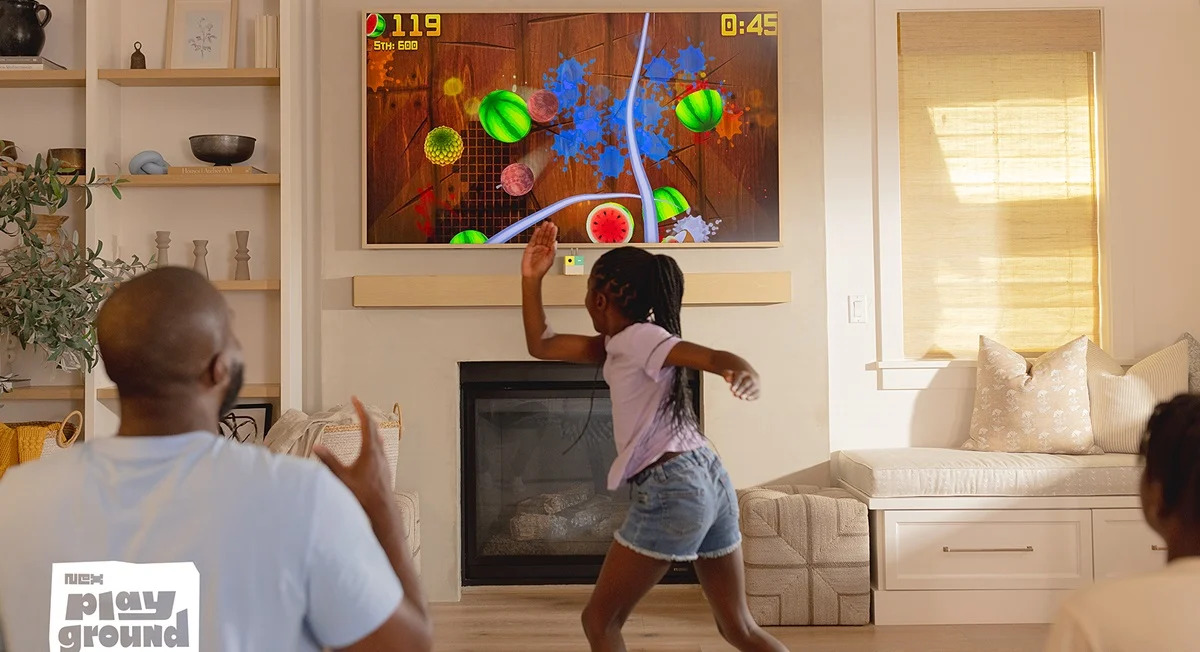
The company says the platform now features more than 60 games and interactive experiences. Popular titles include motion-controlled versions of Fruit Ninja, sports activities, dance games and licensed experiences featuring children’s brands such as Peppa Pig, Barbie, Bluey and Dora the Explorer. The focus remains on physical movement and social interaction rather than competitive online gaming.
One reason industry observers are paying close attention is the company’s surprising commercial success in North America. Nex Playground launched in the United States in late 2023 and has reportedly sold more than one million units. During parts of the 2025 holiday shopping season, the system even outsold Xbox hardware, an achievement that few industry analysts would have predicted for a newcomer in the console space.
The launch represents the company’s first major expansion outside North America. Pre-orders have been available through major retailers, with wider retail availability beginning in late June. Executives have described 2026 as a defining year for the company as it seeks to establish itself as a global gaming brand rather than a regional success story.
Pricing could become one of the key talking points surrounding the launch. The console carries a retail price of approximately £269 and includes a starter selection of games. However, access to the broader library is tied to the company’s Play Pass subscription service, which costs around £90 annually. While supporters argue the subscription provides continuous access to new content, some analysts question whether families will embrace another recurring entertainment expense during a period of economic pressure.
Nex executives believe their value proposition differs significantly from traditional gaming subscriptions. Instead of focusing on large single-player adventures or competitive online titles, the company positions the platform as a family entertainment system designed for group participation, exercise and social connection. Monthly content updates are intended to keep the experience fresh while encouraging repeat use.
Safety and privacy are also central to the company’s messaging. Unlike many modern gaming platforms and social applications, Nex Playground processes movement data locally on the device. Company executives emphasize that camera footage is not stored or uploaded, and the platform operates within a controlled ecosystem designed specifically for children and families. These features have become increasingly important as parents grow more concerned about online safety, screen addiction and unrestricted access to digital platforms.
The timing of the launch may work in the company’s favor. Families are facing growing concerns about excessive screen time, while schools, health organizations and policymakers continue to encourage more physical activity among children. Nex Playground sits at the intersection of both conversations, offering a gaming experience that rewards movement rather than passive viewing.
There is also a potential gap in the market. Nintendo Switch 2 remains family-friendly but comes with higher hardware costs and premium game prices. PlayStation and Xbox continue to focus heavily on core gamers. Nex Playground is attempting to occupy a space that has been largely underserved since the decline of Kinect and the fading popularity of motion-controlled gaming.
Whether the platform can replicate its American success overseas remains uncertain. The combination of hardware costs and subscription fees presents a challenge, and convincing consumers to invest in another gaming ecosystem is never easy. Yet rapid growth in North America suggests there is demand for alternatives that prioritize family participation over solo screen time.
As Nex Playground officially enters the UK market, it is not merely launching another gaming console. It is testing whether active, motion-controlled family entertainment can once again become a mainstream force in an industry increasingly dominated by powerful hardware, online ecosystems and endless hours of screen-based engagement. If British families respond the same way American consumers did, Nex Playground could become one of the gaming industry’s biggest surprise success stories of 2026.