
NEW YORK – When investors put roughly $1.2 million into Wondermind, a mental health startup co-founded by Selena Gomez and her mother Mandy Teefey, they were buying into a proposition built on one of pop culture’s most visible personal narratives. A federal lawsuit filed Thursday in Delaware alleges the proposition was largely fabricated.
The complaint, brought by two investment entities, Wondermind SRS 44 LLC and Bespoke Wondermind SPV I LLC, the latter representing investors including Andrew Resnick of Bespoke Capital, names Gomez, Teefey, and Wondermind co-founder Daniella Pierson as defendants. The suit, first reported by NBC News, asserts claims of securities fraud, common law fraud, equitable fraud, and breach of contract. Pierson faces additional charges of conversion and unjust enrichment. None of the defendants had issued a public statement by Thursday morning.
Wondermind launched in November 2021 as what its founders described as a mental fitness platform. The company’s pitch rested explicitly on Gomez’s credibility: she had spent years speaking publicly about her own experiences with lupus, anxiety, depression, and a 2017 kidney transplant that had become one of the more candid celebrity health disclosures of the decade. Pierson, whose newsletter The Newsette had established her reputation among direct-to-consumer media investors, rounded out the founding team alongside Teefey.
The lawsuit focuses on a series of representations made to investors in June 2022. According to the complaint, Pierson told investors that Wondermind had added 150,000 subscribers in a single month, a figure investors allege was fabricated. The same pitch projected $5 million in advertising revenue and asserted that Pierson’s own newsletter generated $40 million annually. Investors were also promised cover stories featuring Tim Cook, Drake, Elton John, Camila Cabello, and Megan Thee Stallion. None materialized. The complaint says JPMorgan and Fidelity were named as institutional partners without basis. The implied company valuation embedded in those representations exceeded $4 billion.
The complaint’s characterization of Gomez’s role is pointed. She “signed a contract obligating her to perform and then ignored it,” the filing states. “The partnerships did not exist. The initiatives never materialized. The app was never built.” The lawsuit argues that Gomez’s decision to lend her name to the fundraising effort while disengaging from the operational commitments she had formally assumed constituted misrepresentation in its own right, independent of Pierson’s numerical claims.
Among the most specific allegations against Pierson is the claim that she directed $60,000 per month in company funds toward rent on her Manhattan apartment, expenditure the complaint characterizes as conversion and unjust enrichment. Pierson also allegedly overstated her newsletter’s readership and financial performance in a Forbes profile published in August 2025, one of two major investigations that preceded the litigation.
Teefey’s conduct, as described in the filing, follows a different pattern. The complaint states she had “a long-running substance abuse problem,” a characterization that could affect her credibility if the case proceeds to trial. After investors served a rescission notice in November 2025, following The Cut’s September 2025 investigation into Wondermind’s internal operations, Teefey allegedly told investors that an escrow account existed to return their funds. When they followed up, she “disappeared,” the lawsuit says.
The nine-month gap between that rescission notice and this week’s filing suggests that some form of negotiation occurred in the interim, without producing a settlement. The complaint seeks both rescission of the investment and unspecified damages. The question of how much capital, if any, remains in Wondermind’s accounts is not addressed in the filing.
Hollywood has seen its share of celebrity legal entanglements in recent seasons. Chris Brown was ordered last month to pay a former housekeeper nearly $13 million after a negligence verdict in Los Angeles, and Shia LaBeouf pleaded guilty to battery charges stemming from a New Orleans brawl earlier this year. But a federal securities fraud suit against a defendant of Gomez’s stature, a UNICEF Goodwill Ambassador whose Rare Beauty cosmetics brand carries an independent valuation of more than $2 billion, is less familiar territory.
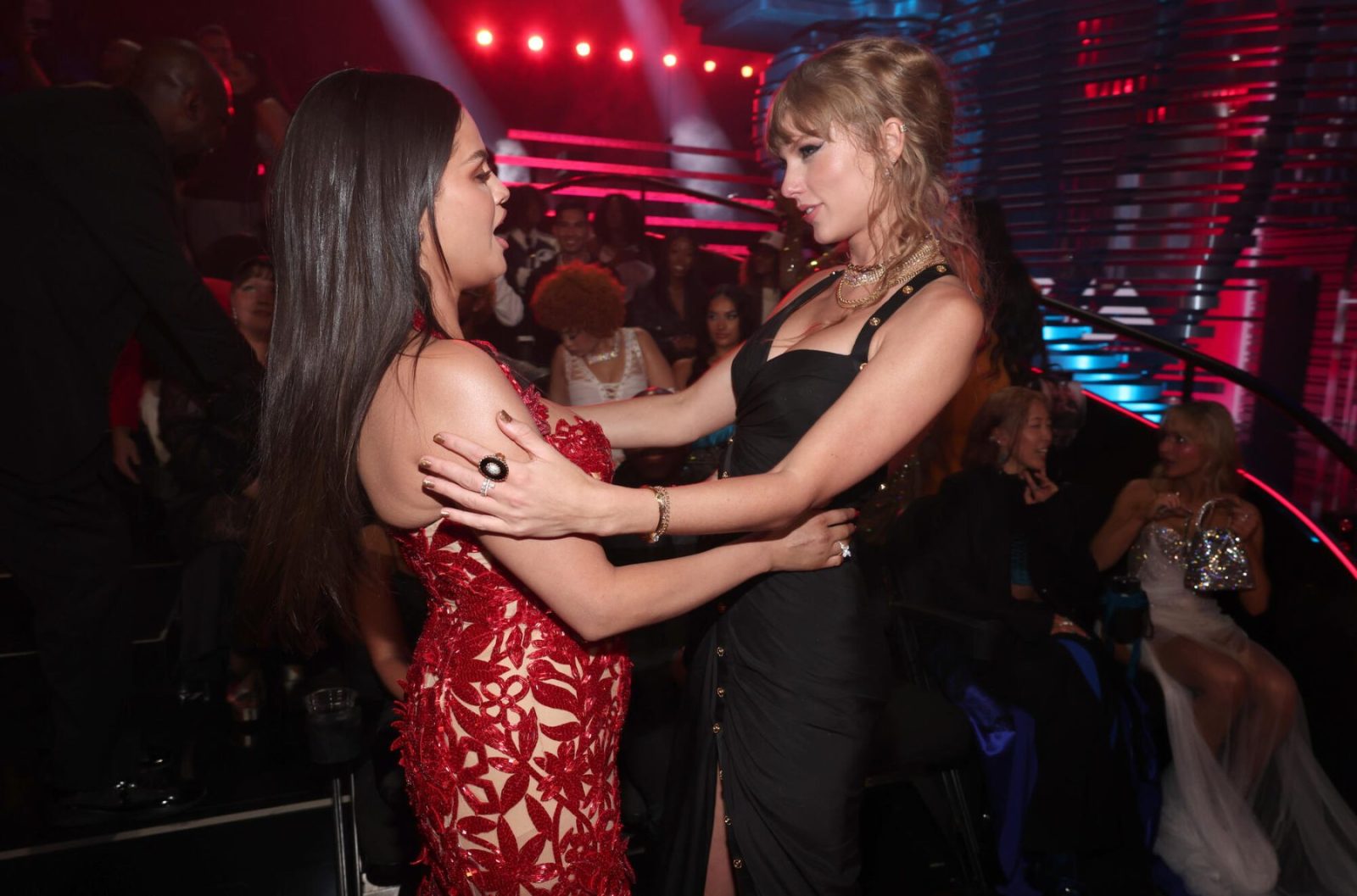
Gomez’s public life showed no visible sign of legal strain ahead of the filing. She was among the guests at Taylor Swift and Travis Kelce’s wedding at Madison Square Garden in July, photographed alongside collaborators and close friends. Wondermind, operating in parallel, appeared to its subscriber base as a functional platform offering mental health resources and original editorial content.
That gap between visible celebrity and alleged internal dysfunction is the animating tension of the complaint. Investors argue they were sold access to Gomez’s institutional credibility: her openness about mental health, her global following, her willingness to stake her name on a consumer product. What they received, the suit contends, was a company where the numbers were invented and the named partnerships were phantoms.
The filing does not specify what happens to Wondermind’s existing users or the platform’s published content. Whether the company’s mental health resources remain accessible during litigation, and whether Gomez’s legal posture will converge or diverge from Teefey’s and Pierson’s as proceedings advance, were questions without answers Thursday. The defendants have not responded.