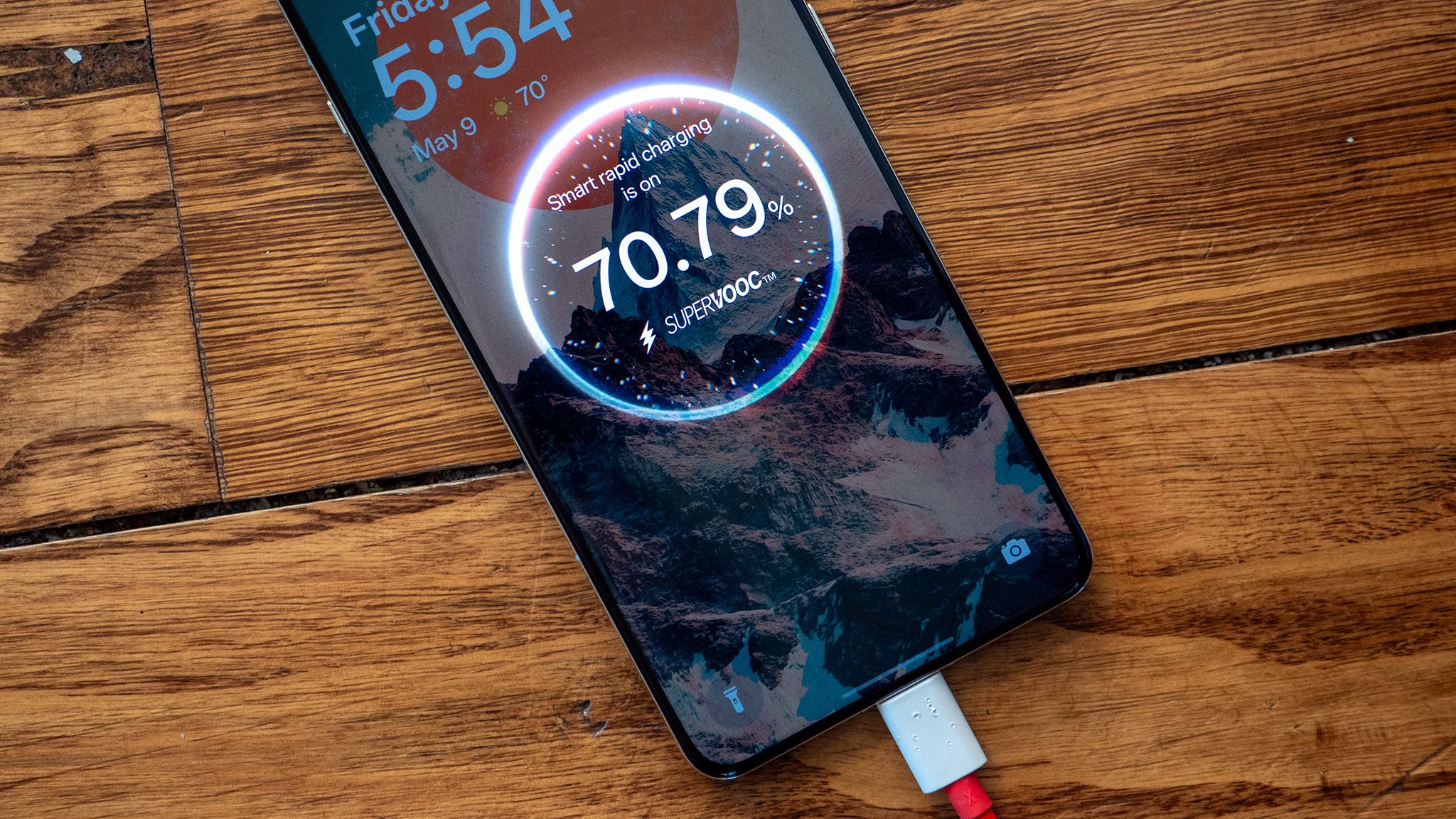

For years, smartphone owners have treated battery health like a vital sign. Users monitored charge cycles, avoided charging beyond 80%, unplugged devices at precise percentages, and constantly checked battery capacity metrics in search of the perfect charging routine.
But a growing number of smartphone users are beginning to question whether all that effort is actually worth it.
The debate has intensified as Android manufacturers and Apple have introduced more detailed battery health tools, giving consumers unprecedented visibility into battery degradation. While these features were designed to help users understand device longevity, they have also fueled a new kind of tech anxiety centered around preserving battery capacity at all costs.
The problem is that lithium-ion batteries naturally degrade over time regardless of how carefully they are managed. Battery capacity declines with age, charge cycles, heat exposure, and general usage. Experts have long noted that battery wear is an unavoidable characteristic of modern smartphone technology rather than a defect that can be completely prevented.
Recent evidence suggests the benefits of extreme battery preservation habits may be far smaller than many users assume.
A widely discussed long-term charging experiment involving dozens of smartphones found only minor differences in battery health between devices charged aggressively and those following stricter charging limits. Even after hundreds of charging cycles, the gap in battery degradation remained relatively small.
That finding has reinforced what many consumers are beginning to realize: smartphones are tools meant to be used, not protected from everyday use.
Modern devices already include sophisticated battery management systems that reduce stress on batteries. Features such as adaptive charging, optimized overnight charging, thermal controls, and intelligent power management help limit damage without requiring constant user intervention. These protections are built directly into Android and iOS ecosystems.
The rise of battery health dashboards has also produced unintended psychological effects.
Online communities are filled with discussions from users worried about seeing battery health fall from 100% to 99% or lower. In many cases, owners report carefully following charging recommendations only to experience battery degradation anyway, leading to frustration and disappointment. Community discussions frequently reveal a growing sentiment that excessive battery monitoring can create more stress than practical benefit.
Some users have even reported becoming preoccupied with battery statistics rather than enjoying the devices they purchased. The constant focus on battery percentages, screen-on time, and health metrics can turn routine smartphone ownership into an exercise in maintenance rather than convenience.
That does not mean battery care is irrelevant.
Experts generally agree that excessive heat remains one of the most significant factors affecting long-term battery health. Using low-quality chargers, exposing devices to high temperatures, and performing intensive tasks while charging can accelerate degradation.
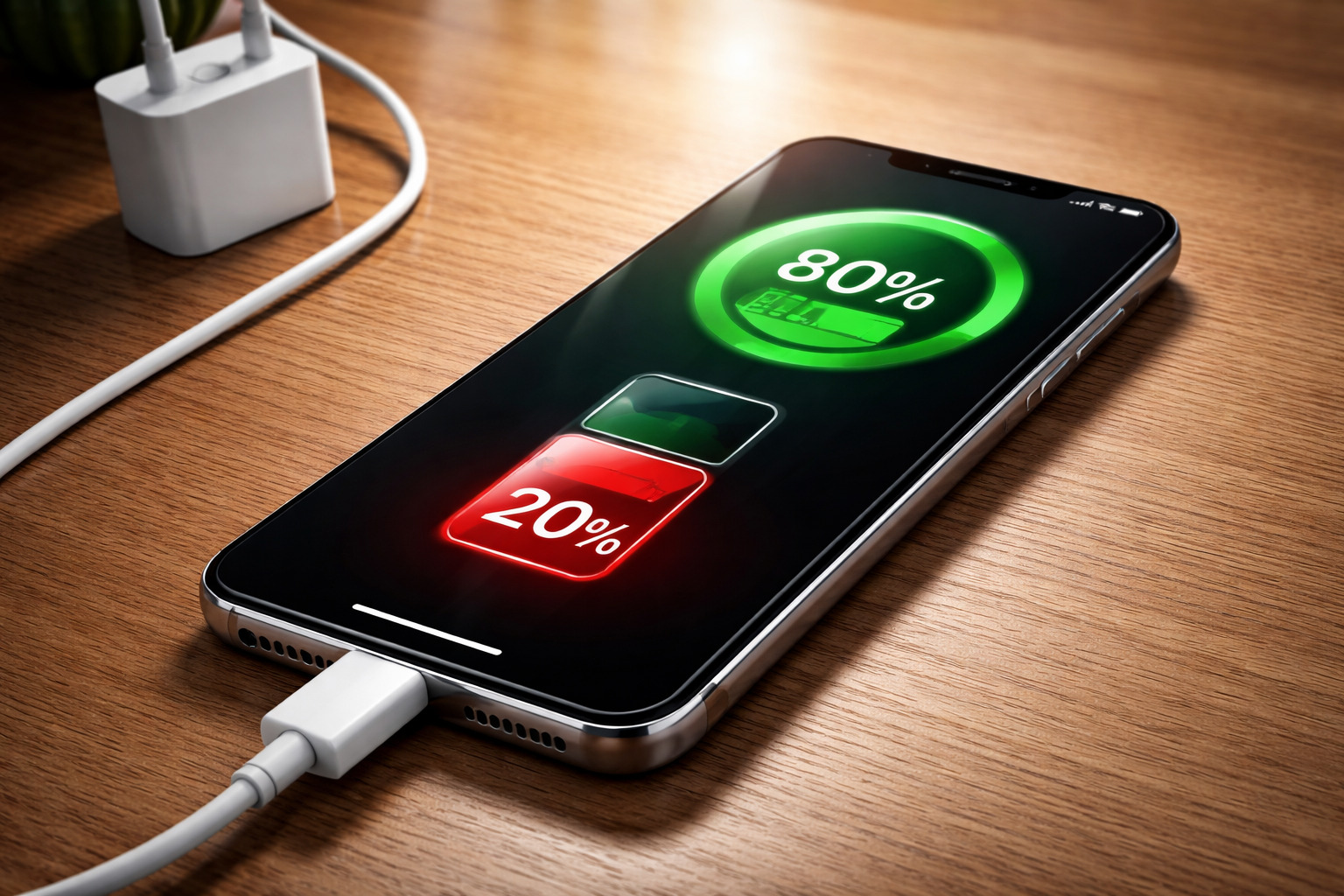
Similarly, keeping a battery between roughly 20% and 80% can reduce stress over the long term, but the practical gains may be modest for many users. For someone who upgrades smartphones every few years, the difference is often negligible compared with the convenience of charging whenever necessary.
The smartphone industry itself appears to recognize this reality.
Manufacturers increasingly promote battery replacement programs, extended software support, and repairability initiatives rather than expecting users to maintain perfect charging habits. The focus is gradually shifting toward making devices last longer through serviceability and software optimization rather than relying solely on battery preservation techniques.
Consumer attitudes are evolving as well. Across online forums and technology communities, many users now advocate a simpler philosophy: use the phone normally, charge it when needed, and accept that batteries are consumable components that will eventually require replacement.
That approach may ultimately be the most practical.
Battery health remains a useful diagnostic tool, especially for identifying aging devices or planning future repairs. However, treating every percentage point of battery degradation as a crisis can undermine the very purpose of owning a smartphone.
Modern smartphones are designed to manage power intelligently, and most users are unlikely to notice meaningful differences from strict charging routines during the normal lifespan of a device. While sensible battery practices still matter, the growing consensus among consumers and experts alike is that convenience and usability often outweigh the marginal gains of constant battery babysitting.
For many smartphone owners, the healthiest relationship with battery health may simply be paying less attention to it.